Categories Plumbing

Sewer Repair Options for Apex Homes

Sewer problems rarely show up at a convenient time. One day your drains flow fine. The next, you smell something foul in the yard. For many homeowners, Apex sewer repair becomes a sudden and stressful priority.

However, the right repair does not have to feel overwhelming. Modern methods are faster and far less messy than old-school digging. Because of this, you have more choices than ever before.

In this guide, we explain the main sewer repair options for Apex homes. We also share local insight from across the Raleigh Triangle. Therefore, you can make a confident, informed decision.

Signs Your Apex Home May Need Sewer Repair

Sewer lines hide underground, so trouble often goes unnoticed. Still, your home usually sends warning signs. As a result, early attention can save you money and stress.

Watch for these common red flags:

  • Slow drains in multiple fixtures at once
  • Gurgling sounds from toilets or sinks
  • Foul sewer odors inside or in the yard
  • Soggy spots or unusually green grass in the lawn
  • Frequent backups in tubs and floor drains

Additionally, older neighborhoods around Apex and Cary may have aging clay pipes. These pipes crack and shift over time. Therefore, residents in established areas should stay alert.

Why Tree Roots Cause Local Problems

The Raleigh Triangle has plenty of mature trees. Roots naturally seek water and nutrients. Because sewer lines carry both, roots often invade tiny cracks.

Over time, roots expand and block the pipe. Meanwhile, debris builds up behind them. Finally, a full backup can occur without warning.

Step One: Diagnose Before You Dig

Smart repair always starts with an accurate diagnosis. Guessing leads to wasted money and unnecessary digging. For this reason, professional inspection matters.

At TCR Plumbing, we use in-line camera inspection to see inside your pipes. A small waterproof camera travels through the line. As a result, we pinpoint cracks, roots, and blockages exactly.

What a Camera Inspection Reveals

A camera shows the true condition of your sewer line. It also identifies the depth and location of the problem. Therefore, you avoid digging up the wrong section.

Moreover, this step helps us recommend the best repair method. Sometimes a simple cleaning solves the issue. Other times, a damaged section needs full replacement.

Sewer Repair Options for Apex Homes

Once we know the problem, several solutions become possible. Each option fits a different situation and budget. Below, we break down the most common choices.

1. Drain Cleaning and Hydro Jetting

Not every issue requires actual pipe repair. Sometimes the line is just clogged. In those cases, cleaning restores flow quickly.

Hydro jetting uses high-pressure water to scour the pipe walls. It clears grease, roots, and stubborn buildup. As a result, your line often performs like new.

However, hydro jetting works best on structurally sound pipes. Therefore, we confirm pipe condition first with a camera. This protects fragile or aging lines from damage.

2. Trenchless Sewer Repair

Trenchless repair has changed the game for homeowners. It fixes pipes with little to no digging. Because of this, your landscaping stays mostly intact.

There are two main trenchless methods. First, pipe lining inserts a resin sleeve inside the old pipe. The sleeve hardens and creates a new pipe within the old one.

Next, pipe bursting pulls a new pipe through the damaged one. The old pipe breaks apart as the new pipe replaces it. Meanwhile, only small access points are needed.

Trenchless options appeal to homeowners across Apex, Cary, and Wake Forest. They protect driveways, patios, and gardens. Additionally, they often shorten the overall project time.

3. Traditional Sewer Line Replacement

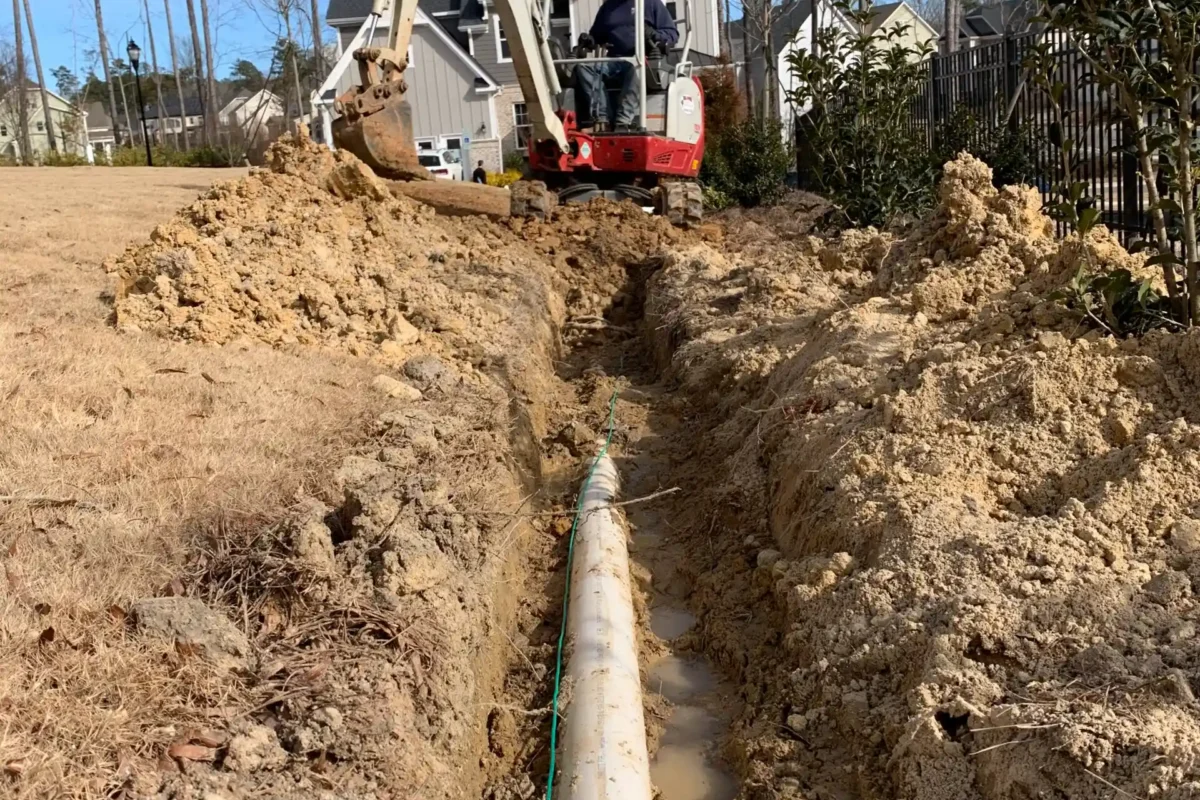
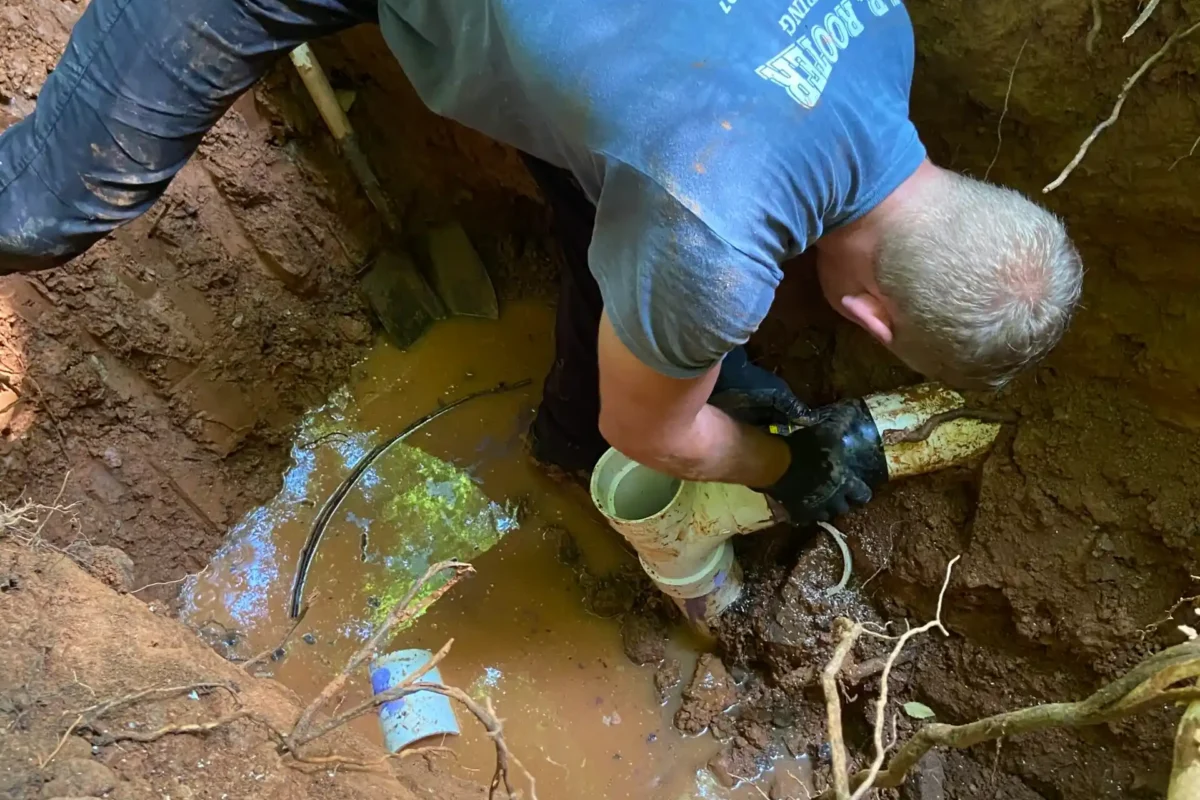
Sometimes a pipe is too damaged for trenchless methods. In those cases, traditional excavation is the right call. This method involves digging a trench to reach the line.

Although it requires more digging, it remains highly effective. It also allows full access to severely collapsed pipes. Therefore, it suits the toughest sewer situations.

Our technicians work carefully to limit yard disruption. Afterward, we backfill and restore the area. As a result, your property recovers smoothly.

How to Choose the Right Repair Method

The best option depends on several factors. No single method fits every home. Therefore, a tailored approach matters.

Consider these key questions:

  • How severe is the pipe damage?
  • What material is the existing line made of?
  • How deep is the sewer line buried?
  • Are there obstacles like trees or driveways above?

For example, a single crack may suit pipe lining. On the other hand, a fully collapsed line may need replacement. A camera inspection clears up these questions fast.

Local Soil and Pipe Considerations

The Triangle’s clay-heavy soil affects sewer lines. Soil shifts during wet and dry cycles. As a result, pipes can crack or separate at the joints.

Homes in older parts of Durham and Fuquay-Varina may still have outdated piping. Some properties even have polybutylene plumbing. Therefore, professional evaluation is always wise.

Why Professional Sewer Repair Matters

Sewer work involves health risks and code requirements. DIY attempts often make problems worse. For this reason, licensed help protects your home.

A qualified plumber follows local permitting rules. According to the EPA’s guidance on caring for your wastewater system, proper handling prevents contamination. Therefore, expert work safeguards your family and neighbors.

Moreover, professionals back their work with guarantees. At TCR Plumbing, we stand behind every repair. As a result, you gain real peace of mind.

What Sets TCR Plumbing Apart

Our family-owned company has served the Triangle since 1993. We bring over 30 years of hands-on experience. Because of this, we handle even complex sewer challenges.

Our technicians are background-checked and drug-tested. We are also licensed, bonded, and insured. Additionally, we hold an A+ BBB rating and offer 24/7 emergency service.

Ready to learn more? Contact the TCR Plumbing team to discuss your plumbing issue at any time. We proudly serve Apex, Raleigh, and nearby communities.

How to Prevent Future Sewer Problems

Good habits reduce the risk of future repairs. Prevention is always cheaper than emergency work. Therefore, small steps pay off over time.

Try these simple tips:

  • Never flush wipes, grease, or paper towels
  • Schedule periodic drain cleaning for older homes
  • Watch tree placement near sewer lines
  • Address slow drains before they worsen

Additionally, routine camera inspections catch trouble early. Many homeowners schedule them every few years. As a result, they avoid costly surprises.

When to Call for Emergency Help

Some sewer issues cannot wait. Raw sewage backups pose health hazards. Therefore, fast action protects your home.

Call right away if you see sewage in tubs or floor drains. Also call if you smell strong sewer odors indoors. Meanwhile, avoid using water until help arrives.

Frequently Asked Questions

How long does sewer repair take?

Timelines vary by method and severity. Trenchless repairs often finish quickly. However, full replacements may take longer due to digging.

Is trenchless sewer repair always possible?

Not in every case. Severely collapsed lines may need traditional excavation. Therefore, a camera inspection determines your options.

How do I know if it is the sewer or just a clog?

Multiple slow drains often signal a sewer issue. A single slow drain usually means a local clog. A camera inspection confirms the difference clearly.

Can tree roots return after repair?

Roots can return over time. However, new pipe materials resist intrusion better. Additionally, routine maintenance keeps roots in check.

Do you serve areas outside Apex?

Yes. We serve Raleigh, Cary, Wake Forest, Fuquay-Varina, Durham, and more. Therefore, most Triangle homeowners can rely on us.

Schedule Your Sewer Repair Today

Sewer problems only get worse when ignored. Fortunately, the right solution is within reach. Whether you need cleaning, lining, or replacement, we can help.

Our team explains your options in plain language. Then we recommend the best fit for your home. As a result, you stay informed every step of the way.

Do not wait for a backup to disrupt your day. Schedule service with TCR Plumbing and protect your Apex home. Finally, enjoy reliable plumbing backed by our 100% guarantee.

Categories Plumbing

Why Tree Roots Invade Sewer Lines

Tree root sewer damage is one of the most common problems homeowners face across the Raleigh Triangle. Roots are sneaky, persistent, and surprisingly strong. Because of this, they can wreck a sewer line before you ever notice a problem.

Many Raleigh-area homes sit near mature oaks, maples, and pines. Their roots stretch far underground in search of water. Therefore, your buried sewer pipe often becomes a target.

In this guide, we explain why roots invade sewer lines. Additionally, we share warning signs, prevention tips, and repair options. As a result, you can protect your plumbing system with confidence.

How Tree Roots Find Your Sewer Line

Tree roots crave moisture, oxygen, and nutrients. Your sewer line carries all three. Therefore, roots naturally grow toward it.

Even a tiny crack or loose joint creates an opening. Roots sense the moisture escaping into the soil. Then they push toward that source with surprising force.

The Vapor Trail Effect

Warm wastewater inside the pipe creates vapor. This vapor leaks through small gaps in cooler soil. As a result, roots follow the moisture trail straight to the source.

Once a root finds a crack, it slips inside. Then it grows larger over time. Meanwhile, the pipe damage gets worse.

Why Older Pipes Are More Vulnerable

Many older homes in Raleigh and Durham have clay or cast iron pipes. These materials crack and corrode over the years. Therefore, they offer easy entry points for roots.

Newer PVC lines resist roots better. However, no pipe is fully immune. Joints and seals can still loosen with age and ground movement.

Common Signs of Tree Root Sewer Damage

Root intrusion rarely happens overnight. Instead, the symptoms build slowly. Because of this, early detection makes a big difference.

Watch for these warning signs around your home or business:

  • Slow drains that affect multiple fixtures at once
  • Gurgling sounds from toilets or drains
  • Frequent backups in tubs, sinks, or floor drains
  • Foul sewer odors inside or outside the home
  • Soggy spots or sinkholes in the yard
  • Unusually lush, green grass over the sewer path

One slow drain might mean a simple clog. However, several slow drains often point to the main sewer line. Therefore, you should act quickly.

When to Call a Professional

Repeated backups signal a deeper issue. Meanwhile, a single plunge rarely solves root problems. As a result, you may need a camera inspection.

Our team uses in-line camera inspection to find the exact problem. Then we recommend the right fix. Contact the TCR Plumbing team to discuss your plumbing issue if you spot any of these signs.

Why the Raleigh Triangle Faces Higher Risk

The Triangle is known for its trees and green neighborhoods. That beauty comes with a hidden cost. Because of this, root intrusion is common here.

Communities like Apex, Cary, and Wake Forest feature plenty of mature landscaping. Older areas of Durham and Fuquay-Varina add aging pipes to the mix. Therefore, local sewer lines face real pressure.

Soil and Seasonal Factors

North Carolina’s clay-heavy soil holds moisture differently than sandy soil. During dry spells, roots search harder for water. As a result, they push toward leaking sewer pipes.

Seasonal shifts also move the ground. Soil expands and contracts with rainfall and drought. Then pipe joints loosen and crack over time.

Mature Trees Near the Home

Fast-growing trees pose the biggest threat. For example, willows, maples, and certain oaks spread roots aggressively. Therefore, planting them near sewer lines is risky.

If you have large trees close to your house, stay alert. Their roots may already be exploring your pipes. Meanwhile, regular inspections give you peace of mind.

How Plumbers Remove Tree Roots

Several proven methods clear roots from sewer lines. The right choice depends on the damage. First, a professional inspects the pipe.

Camera Inspection

A small waterproof camera travels through the line. It shows the exact root location and pipe condition. Therefore, no guesswork is involved.

This step guides every repair decision. Additionally, it prevents unnecessary digging. As a result, you save time and stress.

Hydro Jetting

Hydro jetting blasts roots with high-pressure water. It clears the blockage and scours the pipe walls. Moreover, it removes grease and buildup along the way.

This method works well for stubborn roots. However, it does not repair cracked pipes. Therefore, follow-up repairs may be needed.

Mechanical Augers

A powered auger cuts through invading roots. It restores flow quickly. However, roots often grow back if the crack remains.

Because of this, clearing alone is sometimes a short-term fix. Lasting results require sealing or replacing the pipe. The U.S. Environmental Protection Agency guide to caring for your system offers helpful background on protecting buried lines.

Repair and Replacement Options

Sometimes cleaning is enough for now. Other times, the pipe needs real repair. Therefore, an expert assessment matters.

Trenchless Repair

Trenchless methods fix pipes with minimal digging. A new liner forms inside the old pipe. As a result, your yard stays mostly intact.

This option suits many Triangle properties with landscaping. Moreover, it often takes less time than full excavation. However, not every pipe qualifies.

Full Pipe Replacement

Severely crushed pipes may need replacement. In that case, crews dig and install new piping. Then the system runs like new.

Modern PVC pipe resists root intrusion well. Therefore, replacement can prevent future problems. Our technicians help you weigh the choices.

How to Prevent Tree Root Sewer Damage

Prevention is far cheaper than emergency repair. Fortunately, a few smart habits help. First, know where your sewer line runs.

Use these practical tips to protect your pipes:

  • Plant trees away from the sewer line path
  • Choose slow-growing species with smaller root systems
  • Schedule routine camera inspections every few years
  • Fix small leaks before roots find them
  • Avoid flushing grease that traps debris and roots

Regular maintenance keeps your system healthy. Additionally, early action stops minor issues from growing. As a result, you avoid costly surprises.

Know Your Property Layout

Before planting, locate your sewer line. A professional can map it during an inspection. Therefore, you plant with confidence.

This simple step protects new landscaping investments. Meanwhile, it shields your plumbing for years. Homeowners in Apex and Wake Forest find it especially useful.

Frequently Asked Questions

Can roots grow back after removal?

Yes, roots often return if the crack remains. Cleaning clears the blockage temporarily. However, sealing or replacing the pipe stops regrowth.

How do I know roots are in my sewer line?

Look for slow drains, gurgling, and frequent backups. Soggy yard spots are another clue. A camera inspection confirms the problem fast.

Are tree roots covered by homeowners insurance?

Coverage varies by policy and situation. Many plans exclude gradual root damage. Therefore, check your policy details with your provider.

How often should I inspect my sewer line?

An inspection every few years works for most homes. Older properties may need them more often. Additionally, inspect before planting near the line.

Is hydro jetting safe for my pipes?

Hydro jetting is safe for most pipes in good shape. However, fragile or damaged lines need careful evaluation first. A professional assessment guides the decision.

Protect Your Sewer Line Today

Tree root sewer damage rarely fixes itself. Instead, it grows worse with time. Therefore, early action saves money and stress.

TCR Plumbing has served the Raleigh Triangle since 1993. We handle drain cleaning, sewer lines, and camera inspections. Moreover, we offer 24/7 emergency service across Raleigh, Apex, Cary, and beyond.

Do not wait for a messy backup. Schedule service with our licensed, background-checked technicians. Explore your options today and keep your plumbing flowing strong.

Categories Plumbing

Sewer Line Warning Signs You Should Not Ignore

Your sewer line works hard every single day. However, you rarely think about it until something goes wrong. By then, the problem may already be serious.

Recognizing sewer line warning signs early can save you money and stress. Moreover, it can protect your home from costly water damage. Homeowners across the Raleigh Triangle face these issues more often than they expect.

Therefore, this guide breaks down the red flags you should never overlook. We will also explain what causes them and when to call a professional.

Why Sewer Line Problems Happen in the Raleigh Triangle

North Carolina soil shifts with our wet seasons and dry spells. Because of this, underground pipes face constant pressure. Over time, that pressure leads to cracks and breaks.

Additionally, our region has many mature trees. Their roots seek out water and nutrients. As a result, they often invade aging sewer lines.

Older neighborhoods in Raleigh, Durham, and Wake Forest also have aging pipes. Some homes still use clay or even outdated materials. Therefore, sewer issues are common throughout the area.

Common Pipe Materials We See Locally

Many Triangle homes feature different pipe types depending on their age. For example, older properties may have clay or cast iron lines. Meanwhile, newer construction often uses PVC.

  • Clay pipes: Common in older Raleigh homes and prone to root intrusion.
  • Cast iron: Durable but corrodes over decades.
  • PVC: Modern, smooth, and resistant to roots.

The Most Important Sewer Line Warning Signs

Some symptoms point clearly to a failing sewer line. However, others are easy to dismiss. Therefore, learning to spot them matters.

1. Slow Drains Throughout the House

One slow sink usually means a simple clog. However, multiple slow drains tell a different story. When several fixtures drain slowly, the main line may be blocked.

For example, your tub, toilet, and kitchen sink may all back up. As a result, the problem likely lives deeper in your system. Then you need a professional inspection.

2. Gurgling Sounds From Drains or Toilets

Strange noises often signal trapped air. Because of this, gurgling happens when water cannot flow freely. You may hear it after flushing or running the dishwasher.

Additionally, the toilet may bubble when you use a nearby sink. Therefore, treat gurgling as an early warning. It rarely fixes itself.

3. Foul Odors Inside or Outside

A healthy sewer system stays sealed and airtight. However, a cracked line lets sewer gas escape. As a result, you may smell something rotten near drains.

Moreover, you might notice odors in your yard. This often means waste is leaking underground. Therefore, do not ignore persistent sewage smells.

Outdoor Signs That Point to Sewer Trouble

Sewer problems do not stay hidden inside your home. In fact, your yard often shows the first clues. Therefore, walk your property regularly.

4. Soggy or Sunken Spots in the Yard

A leaking sewer line saturates the surrounding soil. As a result, you may see soggy patches even during dry weather. Sometimes the ground sinks or develops dips.

Additionally, these wet areas may smell foul. For example, homeowners in Apex and Cary often spot soggy lawns first. Then they discover a broken line beneath.

5. Unusually Green or Lush Grass

Leaking sewage acts like fertilizer. Because of this, grass above a broken line grows greener and faster. Meanwhile, the rest of the lawn looks normal.

Therefore, a single bright green strip should raise concern. It often follows the path of your buried sewer pipe.

6. Pooling Water or Sewage Backup

Standing water near your cleanout is a serious red flag. Moreover, raw sewage backing up into drains demands immediate action. This poses a real health risk.

If you see backup, stop using your plumbing. Then call for emergency help right away. We offer 24/7 emergency service across the Triangle.

Hidden Signs Many Homeowners Miss

Not every warning sign is obvious. However, these subtle clues still matter. Therefore, stay alert to small changes.

7. Frequent Clogs and Backups

One clog is normal. However, repeated clogs suggest a deeper issue. For example, tree roots may be narrowing the pipe.

Additionally, recurring backups in the lowest drain point to main line trouble. As a result, the problem grows worse over time. Then simple plunging stops working.

8. Higher Water Bills

A leaking line wastes water silently. Therefore, your bill may climb without explanation. Compare recent statements to spot the trend.

Moreover, sudden spikes often mean a hidden leak. The U.S. Environmental Protection Agency offers helpful guidance on finding and fixing household leaks. Therefore, review your usage if numbers seem off.

9. Pest and Rodent Activity

Cracked sewer lines attract pests. Because of this, you may notice more rodents or insects. They follow the moisture and food source.

Additionally, sewer flies often signal a leak. Therefore, an increase in pests deserves a closer look at your plumbing.

How Professionals Diagnose Sewer Problems

Modern tools make diagnosis fast and accurate. However, guessing wastes time and money. Therefore, professionals rely on proven methods.

In-Line Camera Inspection

A small waterproof camera travels through your pipe. As a result, we see cracks, roots, and blockages in real time. This avoids unnecessary digging.

Moreover, video footage shows the exact problem location. Then we recommend the right repair. This step saves homeowners across Fuquay-Varina and Zebulon from guesswork.

Hydro Jetting and Targeted Repairs

Hydro jetting uses high-pressure water to clear stubborn buildup. Therefore, it cuts through grease and roots effectively. It also cleans the pipe walls thoroughly.

Meanwhile, targeted repairs fix damaged sections. For severe cases, full line replacement may be necessary. However, an inspection always comes first.

What You Can Do to Prevent Sewer Issues

Prevention beats emergency repair every time. Therefore, smart habits protect your sewer line. Here are practical steps for any household.

  • Avoid flushing wipes: Even “flushable” wipes cause clogs.
  • Never pour grease down drains: It hardens and blocks pipes.
  • Use drain screens: Catch hair and food debris early.
  • Watch your trees: Plant large species away from sewer lines.
  • Schedule inspections: Catch problems before they grow.

Additionally, routine maintenance extends your pipe’s life. As a result, you avoid surprise breakdowns. Explore your options and contact the TCR Plumbing team to discuss your concerns.

When to Call a Professional

Minor clogs may respond to a plunger. However, recurring or whole-house issues need an expert. Therefore, do not wait too long.

Call right away if you notice sewage backup or foul yard odors. Moreover, multiple slow drains signal a main line problem. As a result, fast action prevents bigger damage.

Our background-checked technicians serve Raleigh, Apex, Durham, and surrounding communities. Furthermore, we back all work with a 100% guarantee. Therefore, you can trust the job is done right.

Frequently Asked Questions

How urgent is a sewer line warning sign?

It depends on the symptom. However, sewage backup is always urgent. Meanwhile, slow drains and odors should be inspected soon to prevent escalation.

Can tree roots really break a sewer line?

Yes, roots are a leading cause locally. Because they seek moisture, they invade tiny cracks. Then they expand and crush the pipe over time.

Will a camera inspection damage my pipes?

No, the process is non-invasive. The camera simply travels through the line. As a result, we identify problems without digging up your yard.

How often should I have my sewer line checked?

Older homes benefit from inspection every few years. However, frequent clogs warrant a check sooner. Therefore, schedule one if you notice repeated issues.

Do older Triangle homes need special attention?

Often, yes. Many older Raleigh and Durham homes have aging clay or cast iron pipes. As a result, they face higher risks of root intrusion and corrosion.

Protect Your Home Before Small Signs Become Big Problems

Sewer line trouble rarely improves on its own. However, early action makes repairs simpler and cheaper. Therefore, trust your instincts when something seems off.

TCR Plumbing has served the Raleigh Triangle since 1993. Moreover, we bring over 30 years of experience to every job. We are licensed, bonded, and insured with an A+ BBB rating.

Do not let warning signs turn into emergencies. Schedule service today and let our team protect your home. Finally, enjoy peace of mind knowing your plumbing is in trusted hands.

Categories Plumbing

How Raleigh Soil Conditions Can Affect Your Sewer Lines

Have you noticed slow drains or strange smells in your yard? These signs often point to Raleigh sewer line problems. Surprisingly, the soil beneath your home plays a huge role in pipe health.

Many homeowners never think about the ground around their pipes. However, the Raleigh Triangle has unique soil that can stress sewer lines over time. Because of this, even newer pipes face real risks.

At TCR Plumbing, we have seen how local conditions shape pipe damage. Therefore, this guide explains the connection in simple terms. Let’s dig in.

Understanding Raleigh’s Unique Soil

North Carolina’s Piedmont region sits on a mix of clay, silt, and rock. As a result, the ground holds water differently than sandy coastal areas. This matters more than most people realize.

Raleigh soil contains a high amount of red clay. Clay expands when wet and shrinks when dry. Therefore, it constantly pushes and pulls on buried pipes.

Why Clay Soil Causes Trouble

Clay acts like a sponge during heavy rain. Then it dries hard during summer droughts. This cycle creates pressure that bends or cracks sewer lines.

Moreover, clay does not drain quickly. Standing moisture sits against pipes for long periods. Over time, this speeds up corrosion and joint failure.

How Soil Movement Damages Sewer Lines

Soil rarely stays still in the Triangle. Instead, it shifts with weather, roots, and water flow. Consequently, your sewer line moves along with it.

These small movements add up over decades. For example, a slight shift can misalign a pipe joint. Then wastewater leaks into the surrounding ground.

Common Soil-Related Problems

  • Pipe bellies: Sagging sections where waste collects and clogs form.
  • Joint separation: Gaps caused by expanding and contracting clay.
  • Cracks and fractures: Stress breaks from constant ground pressure.
  • Offset pipes: Shifted sections that block normal flow.

Homes in Apex, Cary, and Wake Forest face these same issues. Because the soil is similar across the region, no neighborhood is fully safe.

Tree Roots and Triangle Soil

Our area is rich with oaks, pines, and maples. However, those beautiful trees create hidden plumbing dangers. Roots chase moisture inside aging pipes.

Clay soil makes this worse in a sneaky way. Because clay holds less oxygen, roots seek out cracked sewer lines for water. Then they grow inside and cause blockages.

Spotting Root Intrusion Early

Roots usually enter at weak joints first. Next, they spread into a thick, tangled mass. As a result, water backs up into your home.

Watch for gurgling toilets and recurring clogs. Additionally, lush green patches in the yard can signal a leak. These clues point to deeper trouble below.

Weather Patterns That Stress Pipes

The Triangle sees humid summers and unpredictable storms. Meanwhile, occasional droughts dry the ground completely. This back-and-forth strains buried plumbing.

Heavy rain saturates clay and adds weight against pipes. On the other hand, dry spells cause soil to pull away. Therefore, your sewer line never gets a break.

Seasonal Risks to Watch

Spring brings rapid root growth and rising groundwater. Summer heat then bakes and cracks the clay. Finally, winter freezes can stress older pipe materials.

Older homes in Durham and Fuquay-Varina often have clay or cast iron pipes. These materials handle soil movement poorly. As a result, they fail sooner than modern options.

Warning Signs of Sewer Line Trouble

Soil damage rarely happens overnight. Instead, it builds slowly until symptoms appear. Knowing the signs helps you act early.

First, watch your drains across the whole house. Multiple slow drains often signal a main line issue. Next, listen for unusual sounds in your plumbing.

  • Frequent backups in tubs, sinks, or toilets.
  • Sewage odors indoors or in the yard.
  • Soggy spots or sinkholes near the sewer path.
  • Pest activity drawn to leaking waste.
  • Rising water bills with no clear cause.

Furthermore, foundation cracks can also hint at shifting soil. Because of this, sewer issues sometimes overlap with structural concerns. Always investigate early.

How We Diagnose Soil-Related Sewer Problems

Guesswork wastes time and money. Therefore, professional inspection is the smart first step. Modern tools reveal exactly what is happening underground.

Our team uses in-line camera inspection to see inside pipes. As a result, we find cracks, bellies, and root intrusion fast. Then we recommend the right fix.

Tools That Make a Difference

Camera inspections show the true condition of your line. Meanwhile, hydro jetting clears roots and buildup without harsh digging. These methods save your yard and budget.

You can contact the TCR Plumbing team to discuss your plumbing issue anytime. We serve homeowners and businesses across the Triangle. Additionally, we offer 24/7 emergency service.

Repair and Prevention Options

Once we locate the problem, several solutions exist. The best choice depends on damage, pipe age, and soil. We always explain your options clearly.

Spot repairs work for small, isolated breaks. However, severe soil movement may require full pipe replacement. Trenchless methods can sometimes reduce digging.

Smart Prevention Tips

  • Plant trees away from your sewer line path.
  • Schedule regular inspections for older homes.
  • Avoid flushing grease, wipes, and harsh items.
  • Manage yard drainage to reduce soil saturation.
  • Address slow drains before they worsen.

The EPA’s guidance on caring for your septic and sewer system offers helpful maintenance habits. Because prevention is cheaper than repair, small steps pay off. Stay proactive.

Why Local Experience Matters

Triangle soil behaves differently than other regions. Therefore, you want a plumber who understands it. Local knowledge guides better repairs.

TCR Plumbing has served Raleigh and Apex since 1993. Over 30 years, we have handled countless soil-driven sewer failures. As a result, we know what works here.

We are licensed, bonded, and insured with an A+ BBB rating. Moreover, our technicians are background-checked and drug-tested. We back all work with a 100% guarantee.

Frequently Asked Questions

Can clay soil really break a sewer pipe?

Yes, it can over time. Clay expands and contracts with moisture. Consequently, this movement cracks joints and bends pipes.

How often should I inspect my sewer line?

Older homes benefit from inspection every few years. However, recurring clogs mean you should check sooner. Early action prevents bigger problems.

Do tree roots always mean replacement?

Not always. Sometimes hydro jetting clears roots effectively. However, repeated intrusion may require pipe repair or lining.

Are newer homes safe from soil damage?

Newer pipes resist damage better than old clay or cast iron. Still, soil movement affects every home eventually. Therefore, monitoring remains wise.

What should I do during a sewer backup?

Stop using water immediately to limit damage. Then call a professional right away. We offer round-the-clock emergency response.

Protect Your Sewer Line Today

Raleigh soil never stops moving, and your pipes feel every shift. However, you do not have to face these challenges alone. Smart action protects your home.

Do not wait for a messy backup to take action. Instead, schedule service with our experienced team now. We will inspect, diagnose, and recommend the best plan.

Whether you live in Raleigh, Apex, Cary, or Wake Forest, we are ready to help. Contact TCR Plumbing today and explore your options. Your peace of mind starts below the surface.

Categories Plumbing

Sewer Maintenance Tips for Homeowners in the Raleigh Triangle

Your sewer line works hard every day, yet most homeowners rarely think about it. However, smart sewer maintenance protects your home, your yard, and your wallet. A little care now can prevent messy backups later.

At TCR Plumbing, we serve families and businesses across the Raleigh Triangle. Therefore, we know what local sewer systems face. From Apex to Wake Forest, the right habits make a real difference.

In this guide, we share practical tips you can use today. Additionally, we explain warning signs to watch for. Let us help you keep things flowing smoothly.

Why Sewer Maintenance Matters

Your sewer line carries waste away from your home. Because of this, a single clog can affect every drain. As a result, problems rarely stay small for long.

Neglected lines often lead to backups and foul odors. Moreover, repairs can become expensive when issues are ignored. Therefore, prevention is always the smarter choice.

Common Triangle-Area Sewer Challenges

The Raleigh Triangle has unique conditions that affect sewer lines. For example, mature trees and clay soil are common here. Both can stress underground pipes over time.

  • Tree roots: Older neighborhoods in Raleigh and Durham have large trees.
  • Aging pipes: Some homes still have older or outdated piping.
  • Heavy rain: Storms can overload systems and push water back.
  • Soil shifts: Clay soil expands and contracts with moisture.

Each of these factors raises the risk of trouble. However, regular care helps you stay ahead of them.

Everyday Habits That Protect Your Sewer Line

Good sewer health starts inside your home. In addition, daily habits matter more than most people think. First, focus on what goes down your drains.

Watch What You Flush

Toilets are not trash cans. Therefore, flush only toilet paper and human waste. Many “flushable” wipes do not break down properly.

  • Avoid flushing wipes, paper towels, and cotton products.
  • Keep feminine hygiene products out of the toilet.
  • Never flush dental floss or hair.

These items cling together and form stubborn clogs. As a result, they can block your main line fast.

Be Smart in the Kitchen

Grease is a major enemy of healthy drains. Meanwhile, it cools and hardens inside your pipes. Then it traps food and creates blockages.

Instead, pour cooking grease into a container. Next, let it cool and toss it in the trash. Also, scrape plates before rinsing them.

Outdoor Sewer Maintenance Tips

Much of your sewer system runs underground. Therefore, outdoor care is just as important as indoor habits. A few simple steps protect your buried lines.

Manage Trees and Landscaping

Tree roots seek out water and nutrients. Because of this, they often invade sewer lines through tiny cracks. Once inside, they grow and block the pipe.

First, learn where your sewer line runs. Then avoid planting large trees near that path. Additionally, choose slow-growing species with smaller root systems.

If you live in older Raleigh or Cary neighborhoods, stay alert. Mature landscaping looks beautiful, yet roots can cause hidden damage.

Protect Your Cleanout and Yard

Your sewer cleanout gives plumbers easy access. Therefore, keep it visible and clear of debris. Mark its location so you can find it quickly.

  • Avoid parking heavy vehicles over buried lines.
  • Keep mulch and dirt away from the cleanout cap.
  • Watch for soggy spots or sinkholes in your yard.

These signs often point to a sewer problem. As a result, early action can save your landscaping.

Warning Signs of Sewer Trouble

Your home usually warns you before a major failure. However, many homeowners miss the early clues. Knowing the signs helps you act fast.

Sounds, Smells, and Slow Drains

Listen for gurgling sounds from your drains or toilets. Meanwhile, watch for water that drains slowly everywhere at once. These often signal a main line issue.

  • Foul odors: Sewer gas smells near drains or in the yard.
  • Multiple slow drains: Several fixtures clog at the same time.
  • Backups: Water rises in tubs when you flush.
  • Patchy lawn: Extra-green or wet areas above the line.

If you notice these signs, do not wait. Instead, contact the TCR Plumbing team to discuss your plumbing issue. Early help prevents bigger headaches.

How Professional Sewer Maintenance Helps

DIY habits go a long way. However, professional care reaches problems you cannot see. Our team uses proven tools and decades of experience.

Camera Inspections

An in-line camera inspection shows the inside of your pipes. Therefore, we can spot roots, cracks, and clogs precisely. This avoids guesswork and unnecessary digging.

We recommend inspections for older homes especially. For example, many homes in Durham and Fuquay-Varina have aging lines. A quick look reveals their true condition.

Hydro Jetting and Drain Cleaning

Hydro jetting uses high-pressure water to clear pipes. As a result, it removes grease, roots, and built-up debris. Moreover, it cleans the full diameter of the pipe.

This service restores flow without harsh chemicals. In addition, it helps prevent future clogs. Regular cleaning keeps your system healthy long term.

Routine Professional Checkups

Even healthy systems benefit from periodic checks. Therefore, scheduling routine maintenance is a wise move. A professional can catch small issues early.

Ready for peace of mind? Schedule service with TCR Plumbing today. Our background-checked technicians serve the entire Triangle.

Smart Practices for Local Homeowners

The Triangle’s climate adds seasonal challenges. For example, heavy summer storms strain many systems. Meanwhile, shifting soil affects pipes year-round.

Prepare for Storms and Heavy Rain

Heavy rain can overwhelm sewer systems quickly. Therefore, never connect gutters or sump pumps to sewer lines. This adds extra water and risks backups.

Consider a backwater valve for added protection. This device blocks sewage from flowing back into your home. The U.S. Environmental Protection Agency offers helpful guidance on caring for your home’s wastewater system.

Know Your Home’s System

Some Triangle homes use city sewer service. On the other hand, many rural properties rely on septic systems. Each needs different care.

If you have a septic system, pump it regularly. Additionally, spread out water use to avoid overload. Both habits extend the life of your system.

Frequently Asked Questions

How often should I clean my sewer line?

Most homes benefit from a checkup every few years. However, older homes with trees may need more frequent care. A professional can suggest the right schedule.

Are chemical drain cleaners safe to use?

We generally advise against them. Harsh chemicals can damage pipes over time. Instead, choose professional drain cleaning for lasting results.

What causes most sewer line clogs?

Grease, wipes, and tree roots top the list. Additionally, aging pipes contribute to many blockages. Good habits reduce all of these risks.

Can I locate my sewer line myself?

You can find the cleanout near your home. However, mapping the full line requires special tools. Our team can locate it accurately for you.

When should I call an emergency plumber?

Call right away for backups or sewage odors. Because of this, we offer 24/7 emergency service. Quick response limits damage to your home.

Trust TCR Plumbing for Your Sewer Needs

Smart sewer maintenance protects your home for years. Therefore, combine good daily habits with professional care. Together, they prevent costly surprises.

TCR Plumbing has served the Raleigh Triangle since 1993. Moreover, we are licensed, bonded, and insured with an A+ BBB rating. We back every job with a 100% guarantee.

From Raleigh and Apex to Wake Forest and Zebulon, we are ready to help. Explore your options and protect your plumbing today. Contact our friendly team to get started.

Thank You For Contacting Us!

We’ve received your contact form and will reach out to you shortly.  If you need immediate assistance please give us a call at (919) 467-2207.

Your satisfaction is our family’s priority!

If we’ve met or exceeded your expectations, please take a moment to share your experience with a review on our Google Business pages. Please click on the location for your service and you will be redirected to write a Google Review.