
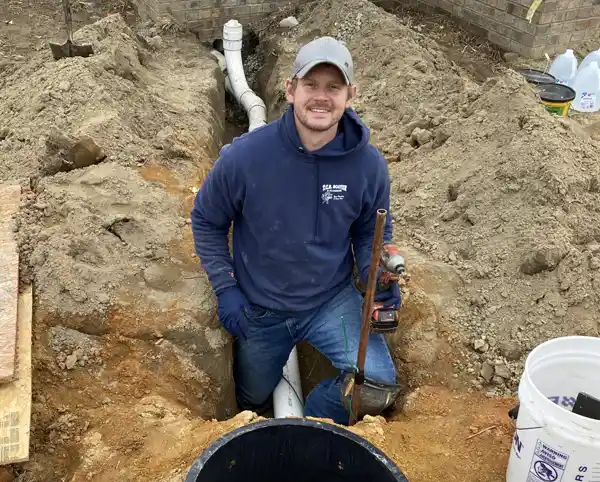
Have you noticed slow drains or strange smells in your yard? These signs often point to Raleigh sewer line problems. Surprisingly, the soil beneath your home plays a huge role in pipe health.
Many homeowners never think about the ground around their pipes. However, the Raleigh Triangle has unique soil that can stress sewer lines over time. Because of this, even newer pipes face real risks.
At TCR Plumbing, we have seen how local conditions shape pipe damage. Therefore, this guide explains the connection in simple terms. Let’s dig in.
Understanding Raleigh’s Unique Soil
North Carolina’s Piedmont region sits on a mix of clay, silt, and rock. As a result, the ground holds water differently than sandy coastal areas. This matters more than most people realize.
Raleigh soil contains a high amount of red clay. Clay expands when wet and shrinks when dry. Therefore, it constantly pushes and pulls on buried pipes.
Why Clay Soil Causes Trouble
Clay acts like a sponge during heavy rain. Then it dries hard during summer droughts. This cycle creates pressure that bends or cracks sewer lines.
Moreover, clay does not drain quickly. Standing moisture sits against pipes for long periods. Over time, this speeds up corrosion and joint failure.
How Soil Movement Damages Sewer Lines
Soil rarely stays still in the Triangle. Instead, it shifts with weather, roots, and water flow. Consequently, your sewer line moves along with it.
These small movements add up over decades. For example, a slight shift can misalign a pipe joint. Then wastewater leaks into the surrounding ground.
Common Soil-Related Problems
- Pipe bellies: Sagging sections where waste collects and clogs form.
- Joint separation: Gaps caused by expanding and contracting clay.
- Cracks and fractures: Stress breaks from constant ground pressure.
- Offset pipes: Shifted sections that block normal flow.
Homes in Apex, Cary, and Wake Forest face these same issues. Because the soil is similar across the region, no neighborhood is fully safe.
Tree Roots and Triangle Soil
Our area is rich with oaks, pines, and maples. However, those beautiful trees create hidden plumbing dangers. Roots chase moisture inside aging pipes.
Clay soil makes this worse in a sneaky way. Because clay holds less oxygen, roots seek out cracked sewer lines for water. Then they grow inside and cause blockages.
Spotting Root Intrusion Early
Roots usually enter at weak joints first. Next, they spread into a thick, tangled mass. As a result, water backs up into your home.
Watch for gurgling toilets and recurring clogs. Additionally, lush green patches in the yard can signal a leak. These clues point to deeper trouble below.
Weather Patterns That Stress Pipes
The Triangle sees humid summers and unpredictable storms. Meanwhile, occasional droughts dry the ground completely. This back-and-forth strains buried plumbing.
Heavy rain saturates clay and adds weight against pipes. On the other hand, dry spells cause soil to pull away. Therefore, your sewer line never gets a break.
Seasonal Risks to Watch
Spring brings rapid root growth and rising groundwater. Summer heat then bakes and cracks the clay. Finally, winter freezes can stress older pipe materials.
Older homes in Durham and Fuquay-Varina often have clay or cast iron pipes. These materials handle soil movement poorly. As a result, they fail sooner than modern options.
Warning Signs of Sewer Line Trouble
Soil damage rarely happens overnight. Instead, it builds slowly until symptoms appear. Knowing the signs helps you act early.
First, watch your drains across the whole house. Multiple slow drains often signal a main line issue. Next, listen for unusual sounds in your plumbing.
- Frequent backups in tubs, sinks, or toilets.
- Sewage odors indoors or in the yard.
- Soggy spots or sinkholes near the sewer path.
- Pest activity drawn to leaking waste.
- Rising water bills with no clear cause.
Furthermore, foundation cracks can also hint at shifting soil. Because of this, sewer issues sometimes overlap with structural concerns. Always investigate early.
How We Diagnose Soil-Related Sewer Problems
Guesswork wastes time and money. Therefore, professional inspection is the smart first step. Modern tools reveal exactly what is happening underground.
Our team uses in-line camera inspection to see inside pipes. As a result, we find cracks, bellies, and root intrusion fast. Then we recommend the right fix.
Tools That Make a Difference
Camera inspections show the true condition of your line. Meanwhile, hydro jetting clears roots and buildup without harsh digging. These methods save your yard and budget.
You can contact the TCR Plumbing team to discuss your plumbing issue anytime. We serve homeowners and businesses across the Triangle. Additionally, we offer 24/7 emergency service.
Repair and Prevention Options
Once we locate the problem, several solutions exist. The best choice depends on damage, pipe age, and soil. We always explain your options clearly.
Spot repairs work for small, isolated breaks. However, severe soil movement may require full pipe replacement. Trenchless methods can sometimes reduce digging.
Smart Prevention Tips
- Plant trees away from your sewer line path.
- Schedule regular inspections for older homes.
- Avoid flushing grease, wipes, and harsh items.
- Manage yard drainage to reduce soil saturation.
- Address slow drains before they worsen.
The EPA’s guidance on caring for your septic and sewer system offers helpful maintenance habits. Because prevention is cheaper than repair, small steps pay off. Stay proactive.
Why Local Experience Matters
Triangle soil behaves differently than other regions. Therefore, you want a plumber who understands it. Local knowledge guides better repairs.
TCR Plumbing has served Raleigh and Apex since 1993. Over 30 years, we have handled countless soil-driven sewer failures. As a result, we know what works here.
We are licensed, bonded, and insured with an A+ BBB rating. Moreover, our technicians are background-checked and drug-tested. We back all work with a 100% guarantee.
Frequently Asked Questions
Can clay soil really break a sewer pipe?
Yes, it can over time. Clay expands and contracts with moisture. Consequently, this movement cracks joints and bends pipes.
How often should I inspect my sewer line?
Older homes benefit from inspection every few years. However, recurring clogs mean you should check sooner. Early action prevents bigger problems.
Do tree roots always mean replacement?
Not always. Sometimes hydro jetting clears roots effectively. However, repeated intrusion may require pipe repair or lining.
Are newer homes safe from soil damage?
Newer pipes resist damage better than old clay or cast iron. Still, soil movement affects every home eventually. Therefore, monitoring remains wise.
What should I do during a sewer backup?
Stop using water immediately to limit damage. Then call a professional right away. We offer round-the-clock emergency response.
Protect Your Sewer Line Today
Raleigh soil never stops moving, and your pipes feel every shift. However, you do not have to face these challenges alone. Smart action protects your home.
Do not wait for a messy backup to take action. Instead, schedule service with our experienced team now. We will inspect, diagnose, and recommend the best plan.
Whether you live in Raleigh, Apex, Cary, or Wake Forest, we are ready to help. Contact TCR Plumbing today and explore your options. Your peace of mind starts below the surface.