
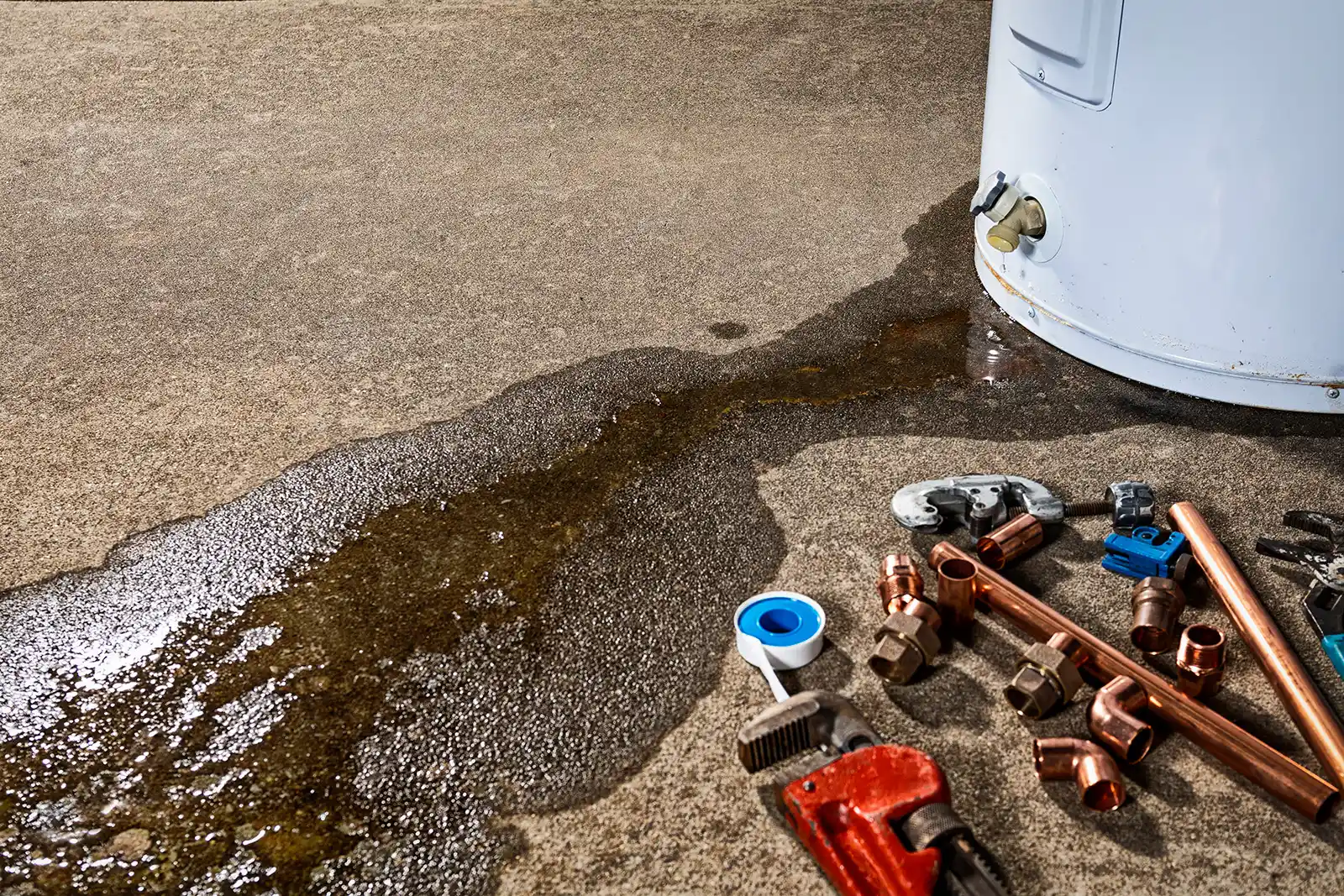
Is your water heater suddenly louder than usual? A noisy water heater can be unsettling, especially when the sounds start at night. However, those rumbles and pops often signal a problem worth checking.
At TCR Plumbing, we hear these complaints often from homeowners across the Raleigh Triangle. Some noises are harmless. Others point to repairs you should not ignore.
Therefore, let us break down what each sound means. Then, you will know when to call a licensed plumber.
What Causes a Noisy Water Heater?
Water heaters make many different sounds. Each one has a likely cause. Because of this, identifying the noise helps you understand the problem.
Most issues trace back to sediment, pressure, or aging parts. For example, hard water leaves mineral deposits inside the tank. Over time, these deposits create trapped air pockets.
Additionally, loose components and failing valves can produce odd noises. Therefore, knowing the source guides your next step.
Hard Water in the Triangle
Many homes around Raleigh, Apex, and Cary have moderately hard water. As a result, mineral buildup inside tanks is common here.
This sediment settles at the bottom of the tank. Then, it hardens over months and years. Meanwhile, the noises slowly grow louder.
Popping and Rumbling Sounds
Popping is the most common water heater noise. Usually, it points to sediment buildup at the tank bottom.
Here is what happens. Water gets trapped beneath the sediment layer. Then, the burner heats that water. As a result, steam bubbles burst through the deposits and create popping.
Rumbling works the same way. However, it usually means the sediment is thicker. Moreover, the extra layer forces your heater to work harder.
Why Sediment Matters
Sediment does more than make noise. It reduces efficiency and raises energy use. In addition, it can shorten the tank’s lifespan.
The bottom of the tank also overheats under thick sediment. Because of this, the metal weakens faster. Eventually, leaks may follow.
- Flushing the tank removes loose sediment buildup.
- Annual maintenance helps prevent thick layers.
- A water softener reduces future mineral deposits.
If flushing does not quiet the tank, call a professional. Therefore, do not wait until the noise worsens.
Crackling, Sizzling, or Hissing
These sounds often appear on electric water heaters. Usually, sediment covers the lower heating element. Then, the element struggles against the buildup.
Crackling and sizzling may also signal condensation. For example, water can drip onto a hot burner in gas units. As a result, you hear a sizzle.
However, hissing sometimes means a leak. Therefore, inspect the area around the tank carefully. If you spot water, shut off the supply.
When Hissing Signals a Leak
A small leak can become a big problem fast. Furthermore, leaks near electrical parts create safety risks.
Homeowners in Wake Forest and Fuquay-Varina sometimes ignore these early signs. On the other hand, quick action prevents water damage. So, call a plumber if hissing continues.
Ticking and Tapping Noises
Ticking is often harmless. Usually, it comes from your plumbing pipes. As water heats, the pipes expand slightly. Then, they tap against framing or straps.
Heat traps can also cause ticking. These small fittings reduce heat loss. However, they sometimes click during normal operation.
In most cases, ticking needs no repair. Still, have it checked if it bothers you. Meanwhile, monitor for any new sounds.
Pipe Expansion in Older Homes
Older Durham and Raleigh homes may have tighter pipe runs. As a result, expansion noises feel louder. A plumber can add cushioning or straps to help.
Screeching or Whistling
Screeching usually means restricted water flow. For example, a valve may be only partly open. Then, water forces through a narrow gap and screeches.
Check the temperature and pressure relief valve first. Also, inspect the inlet and outlet valves. However, do not force any valve that feels stuck.
If the noise continues, the valve may need replacement. Therefore, a licensed plumber should inspect it. Moreover, faulty valves affect safety.
Banging and Knocking
Loud banging often points to water hammer. This happens when water flow stops suddenly. Then, the pressure shock rattles your pipes.
Banging can also come from heavy sediment. As mentioned, trapped steam creates pressure. Because of this, you may hear sharp knocks.
Water hammer arrestors can solve the pressure issue. Meanwhile, flushing handles sediment-related banging. So, the right fix depends on the cause.
When Should You Call a Plumber?
Some noises need professional attention right away. However, others can wait for routine maintenance. Knowing the difference saves you money and stress.
Call a plumber if you notice any of these signs:
- Loud popping that flushing does not fix.
- Hissing combined with visible water leaks.
- Screeching from a stuck or failing valve.
- Banging that shakes nearby pipes.
- Rotten egg smells or discolored water.
These symptoms may signal bigger issues. For example, sediment can damage the tank permanently. Therefore, acting early protects your investment.
Our team handles repairs and replacements across the Triangle. Ready to fix that noise? Contact the TCR Plumbing team to discuss your water heater issue and get expert guidance.
How to Prevent a Noisy Water Heater
Prevention is easier than repair. Additionally, simple habits extend your unit’s life. Here are practical steps for Triangle homeowners.
Flush the Tank Regularly
Flushing removes loose sediment before it hardens. Most experts suggest doing this once a year. However, hard water areas may need it more often.
You can flush a tank yourself with care. On the other hand, a plumber ensures it is done safely. So, schedule it with routine maintenance.
Set the Right Temperature
High temperatures speed up mineral buildup. Therefore, keep your setting around the recommended range. The U.S. Department of Energy water heating guide offers helpful temperature advice.
Lower settings also reduce energy costs. Moreover, they limit scalding risks for families. As a result, you gain comfort and savings.
Consider a Water Softener
Hard water is the main culprit behind sediment. A water softener reduces those minerals. Then, your tank stays cleaner longer.
Softeners help appliances throughout your home too. Furthermore, they protect faucets and fixtures. So, many Cary and Apex homeowners find them worthwhile.
Schedule Annual Inspections
A yearly checkup catches small problems early. Additionally, a plumber tests valves and anode rods. Because of this, you avoid surprise breakdowns.
Want peace of mind before winter? Schedule service with our licensed team today. Meanwhile, we will explore your options together.
Tankless Water Heaters and Noise
Tankless units make noise too. Usually, you hear a humming or clicking sound. This often comes from the fan or ignition.
However, loud or unusual noises can signal mineral scale. Because tankless units heat on demand, scale affects performance. Therefore, descaling matters here as well.
Many Triangle homeowners upgrade to tankless models. As a result, they enjoy endless hot water and space savings. Still, regular maintenance keeps them quiet.
Frequently Asked Questions
Is a noisy water heater dangerous?
Most noises are not immediately dangerous. However, some signal pressure or leak problems. Therefore, have persistent sounds inspected by a plumber.
Can I fix a noisy water heater myself?
You can flush the tank yourself with caution. However, valve and element repairs need a professional. So, call a licensed plumber for those tasks.
How often should I flush my water heater?
Once a year works for most homes. However, hard water areas may need more frequent flushing. Annual maintenance helps you stay on track.
Why does my water heater pop after I use hot water?
Popping usually means sediment buildup. Then, trapped water turns to steam and bursts. Flushing the tank often reduces this noise.
When should I replace my water heater?
Most tanks last around ten to fifteen years. However, heavy noise and leaks may shorten that. A plumber can assess whether repair or replacement fits best.
Get Help With Your Noisy Water Heater Today
A noisy water heater rarely fixes itself. Instead, the problem usually grows over time. Therefore, early action protects your home and budget.
TCR Plumbing has served the Raleigh Triangle since 1993. Our background-checked technicians are licensed, bonded, and insured. Moreover, we back every job with a 100% guarantee.
We serve Raleigh, Apex, Cary, Wake Forest, Durham, and beyond. So, do not let strange sounds keep you guessing. Schedule service with our team and enjoy quiet, reliable hot water again.