
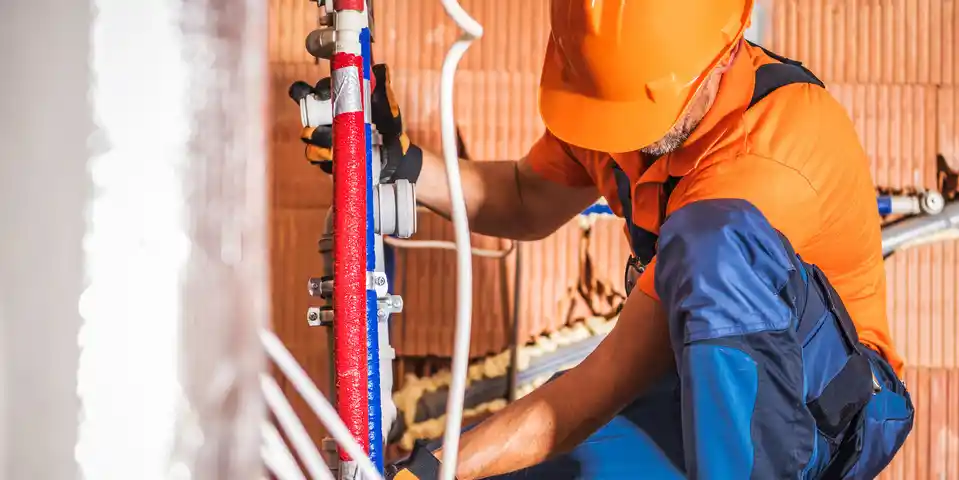
A failing sewage pump can quickly turn into a messy, stressful problem. When wastewater backs up, your home or business needs fast, reliable help. That is where professional sewage pump repair makes all the difference.
At T.C.R. Rooter & Plumbing, we understand how disruptive pump failures can be. Because of this, we respond quickly across Garner and the greater Raleigh Triangle. Our licensed team brings over 30 years of hands-on experience to every job.
In this guide, we explain how sewage pumps work, common warning signs, and when to call a pro. Additionally, we share simple maintenance tips homeowners can use year-round.
What Is a Sewage Pump and Why It Matters
A sewage pump moves wastewater from a basement or lower level up to your main sewer line. Many homes below the sewer grade rely on these pumps. Without one, waste simply cannot flow uphill on its own.
Sewage pumps sit inside a basin, often called a pit. Then, they push solid and liquid waste toward the municipal sewer or septic system. As a result, they play a critical role in your home’s plumbing.
Where You Find Sewage Pumps in the Triangle
Many Garner and Raleigh homes have basements, crawl spaces, or lower-level bathrooms. In these settings, a sewage pump is often essential. Furthermore, commercial buildings frequently use them for below-grade restrooms.
Nearby communities like Apex, Cary, and Fuquay-Varina share similar needs. Because of the region’s varied terrain, pump systems are common. Therefore, understanding your pump helps you protect your property.
Common Signs You Need Sewage Pump Repair
Sewage pumps rarely fail without warning. However, many homeowners miss the early signs. Learning them can save you from a costly backup.
Here are the most common red flags to watch for:
- Strange noises such as grinding, rattling, or humming
- Slow drains in lower-level sinks, tubs, or toilets
- Foul odors near the pump basin or drains
- Frequent cycling where the pump turns on and off often
- Water pooling around the pit or floor drain
If you notice any of these, act quickly. Meanwhile, avoid running extra water down the drains. Then, call a licensed plumber to inspect the system.
When Small Problems Become Emergencies
A minor issue can escalate fast. For example, a stuck float switch may stop the pump entirely. As a result, wastewater can back up into your home.
Sewage backups pose health risks and property damage. Therefore, never ignore warning signs. Because of this, we offer 24/7 emergency service throughout the Triangle.
What Causes Sewage Pumps to Fail
Sewage pumps work hard, so wear and tear is normal. Still, several factors speed up failure. Understanding them helps you prevent trouble.
Clogs and Debris
Sewage pumps handle solids, but not everything. For instance, wipes, grease, and hygiene products cause clogs. As a result, the pump strains and may burn out.
Flush only toilet paper and waste. Additionally, keep grease out of your drains. These simple habits protect your pump for years.
Float Switch Failures
The float switch tells the pump when to turn on. However, it can jam, tangle, or wear out. Then, the pump either runs constantly or not at all.
A stuck switch often causes overflow or short cycling. Therefore, a professional inspection helps catch this early. Moreover, replacing a float is far cheaper than a full pump.
Motor and Electrical Issues
Every sewage pump runs on a motor. Over time, motors overheat or seize. Also, power surges and faulty wiring can cause failure.
Electrical problems require careful diagnosis. Because of this, a trained plumber should handle repairs. In addition, proper wiring keeps your system safe.
The Sewage Pump Repair Process
Professional repair starts with a thorough inspection. First, our technicians assess the pump, basin, and connections. Next, we identify the true source of the problem.
Sometimes a simple fix restores full function. For example, we may clear a clog or replace a float switch. Other times, the pump needs full replacement.
Repair Versus Replacement
Not every pump is worth repairing. However, many issues respond well to targeted fixes. We help you weigh both options honestly.
Older pumps nearing the end of their lifespan may need replacement. On the other hand, newer units often deserve a repair. Therefore, we always explain your choices clearly.
Why Professional Repair Matters
Sewage systems combine plumbing and electrical work. As a result, DIY repairs can be risky. Improper fixes may lead to bigger failures.
Our technicians are background-checked and drug-tested. Furthermore, we are licensed, bonded, and insured. That means you get safe, reliable service every time.
Preventing Sewage Pump Problems
Prevention beats repair every time. Fortunately, a few habits go a long way. These tips help homeowners across Garner and Wake Forest.
- Schedule regular inspections to catch issues early
- Test the pump by pouring water into the basin
- Keep the basin clean and free of debris
- Avoid flushing wipes, grease, or foreign objects
- Listen for changes in pump sounds or cycling
Additionally, consider a backup power source. Storms and outages are common in North Carolina. Because of this, a battery backup protects you during power loss.
Seasonal Care in the Raleigh Triangle
Heavy rain often stresses sewage systems. Meanwhile, freezing temperatures can affect pump components. Therefore, seasonal checkups matter here.
Spring and fall are ideal times for inspections. Then, your system stays ready year-round. Also, early attention prevents emergency calls later.
Why Choose TCR Plumbing in Garner
Family-owned since 1993, we know the Triangle well. Owner Terry Ault built our reputation on honesty and skill. As a result, homeowners trust us with tough jobs.
We serve Garner, Raleigh, Apex, Zebulon, and Durham. Moreover, we handle both residential and commercial systems. From simple repairs to full replacements, we do it all.
Our work carries a 100% guarantee. In addition, we hold an A+ BBB rating and license #29177. Therefore, you can count on quality every time.
Full-Service Plumbing Beyond Pumps
We do more than sewage pump repair. For example, we handle drain cleaning, leak detection, and water heaters. We also offer sewer and water line services.
Our team uses hydro jetting and in-line camera inspection. Furthermore, we service well pumps, valves, and septic systems. Whatever your plumbing need, we are ready to help.
Frequently Asked Questions
How long does a sewage pump last?
Most sewage pumps last many years with proper care. However, heavy use and clogs shorten that lifespan. Therefore, regular maintenance is key to longevity.
Can I repair a sewage pump myself?
We do not recommend DIY sewage pump repair. Because it involves electrical and plumbing risks, it is best left to pros. Additionally, mistakes can cause costly backups.
How much does sewage pump repair cost?
Costs vary based on the problem and pump type. For example, a float switch repair costs less than a full replacement. We provide clear, honest estimates before any work.
What should I do during a sewage backup?
First, stop using water immediately. Next, avoid contact with the wastewater. Then, call our emergency team for fast help.
How often should I inspect my sewage pump?
An annual inspection is a smart baseline. However, homes with heavy use may need more frequent checks. Meanwhile, watch for warning signs between visits.
Schedule Your Sewage Pump Repair Today
A reliable sewage pump protects your home and health. When trouble strikes, fast action prevents bigger damage. Therefore, do not wait when you spot warning signs.
Our experienced team is ready to help across Garner and the Triangle. From diagnosis to repair, we treat you with fairness and respect. Explore your options and get honest advice today.
Ready to solve your pump problem? Contact TCR Plumbing to schedule service and speak with our licensed team. We offer 24/7 emergency support when you need it most.