
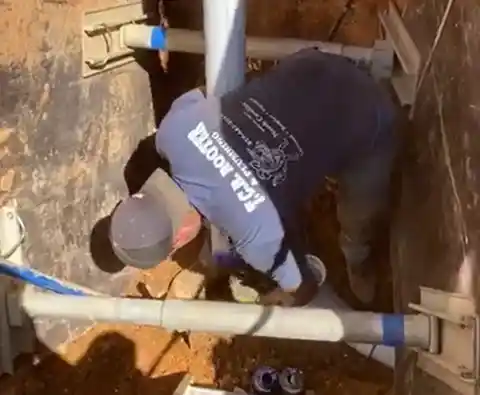
Does your Garner home still have its original plumbing from the 1980s or 1990s? If so, you may need polybutylene pipe replacement sooner than you think. These older pipes were once popular, but they now cause major headaches for homeowners.
At TCR Plumbing, we see this problem often across the Raleigh Triangle. Many houses in Garner and nearby communities were built during the polybutylene era. As a result, hidden risks may be lurking behind your walls right now.
Therefore, understanding these pipes matters. This guide explains what polybutylene is, why it fails, and how replacement protects your home. Let’s dig in.
What Is Polybutylene Pipe?
Polybutylene is a type of plastic piping used for water supply lines. Builders installed it widely from the late 1970s through the mid-1990s. It was cheap, flexible, and easy to work with.
Because of this, many homes in Garner still contain it today. The pipes usually appear gray, though some are blue or black. You may spot them near your water heater or under sinks.
How to Identify Polybutylene in Your Home
First, check where your main water line enters the house. Then look at exposed pipes in the basement, crawl space, or garage. Polybutylene often has “PB2110” stamped on it.
- Color: Usually gray, sometimes blue or black
- Texture: Smooth plastic, not metal
- Marking: “PB2110” printed on the surface
- Location: Near water heaters, sinks, and main shutoff valves
However, some pipes hide behind walls. Therefore, a professional inspection gives you the clearest answer.
Why Polybutylene Pipes Fail
Polybutylene pipes react badly to chlorine in public water. Over time, the chlorine breaks down the plastic from the inside. As a result, the pipes become brittle and weak.
Meanwhile, the damage stays hidden. You often cannot see the deterioration happening inside the walls. Then one day, a fitting cracks or a pipe bursts without warning.
The Hidden Danger of Sudden Leaks
These failures rarely give a warning. For example, a small leak may soak drywall for weeks unnoticed. Meanwhile, mold grows and wood rots behind the surface.
Because of this, water damage can become expensive fast. Additionally, insurance companies sometimes limit coverage on homes with polybutylene. Therefore, replacement often makes financial sense.
Signs You May Need Polybutylene Pipe Replacement
Not every problem screams for attention. However, a few warning signs suggest trouble ahead. Watch for these clues in your Garner home.
- Frequent leaks at fittings or joints
- Discolored water or reduced water pressure
- Water stains on ceilings or walls
- Visible gray plastic pipes during a home inspection
- Recurring plumbing repairs in the same areas
If you notice any of these, act quickly. Delaying replacement usually raises the risk of a major failure.
Home Buying and Selling Considerations
Buying or selling a home in Garner? Polybutylene often comes up during inspections. Many buyers request replacement before closing.
As a result, addressing it early can smooth your sale. Furthermore, updated plumbing boosts buyer confidence. It also protects your investment long term.
How the Replacement Process Works
Replacing polybutylene sounds intimidating. However, an experienced team makes it manageable. At TCR Plumbing, we follow a clear process from start to finish.
Step 1: Inspection and Assessment
First, our technicians inspect your entire plumbing system. Then we map out where the polybutylene runs. This helps us plan the most efficient route.
Next, we explain your options clearly. Additionally, we answer every question before work begins. You always know what to expect.
Step 2: Choosing New Pipe Material
Modern plumbing uses safer, more durable materials. For example, PEX and copper both outperform old polybutylene. Each has its own benefits.
- PEX: Flexible, affordable, and resistant to freezing
- Copper: Long-lasting, strong, and time-tested
Therefore, we help you pick the best fit. We consider your budget, home layout, and long-term goals.
Step 3: The Repipe Itself
During a repipe, we replace the failing pipes with new ones. Meanwhile, we work to limit disruption in your home. Our team protects your floors and belongings.
Then we test everything for leaks and proper pressure. Finally, we clean up before we leave. You get reliable plumbing that lasts for decades.
Why Garner Homeowners Trust TCR Plumbing
We are a family-owned company founded in 1993 by Terry Ault. Since then, we have served homeowners across the Raleigh Triangle. Our experience covers even the toughest jobs.
Moreover, our technicians are background-checked and drug-tested. We are licensed, bonded, and insured under #29177. We also hold an A+ BBB rating.
Serving Garner and the Wider Triangle
Besides Garner, we serve many nearby communities. For example, we help homeowners in Raleigh, Apex, and Fuquay-Varina. Additionally, we cover Wake Forest and Durham.
Because of this local focus, we understand Triangle plumbing well. We know the common building eras and materials here. Therefore, we spot polybutylene problems quickly.
Benefits of Replacing Polybutylene Now
Waiting rarely pays off with these pipes. Instead, proactive replacement offers real advantages. Consider what you gain.
- Peace of mind from reliable, modern plumbing
- Fewer emergency repairs and surprise leaks
- Better water quality and consistent pressure
- Higher home value and easier home sales
- Lower risk of costly water damage
Furthermore, new pipes often last for generations. As a result, you invest once and rest easy. That trade-off appeals to most homeowners.
Emergency Help When You Need It
Sometimes a polybutylene pipe bursts without warning. However, we offer 24/7 emergency service. Therefore, help is always a phone call away.
Meanwhile, our team responds quickly to limit damage. We shut off water and stabilize the situation fast. Then we plan a lasting fix.
Frequently Asked Questions
How long do polybutylene pipes last?
Many polybutylene pipes fail within a few decades. However, chlorine exposure speeds up the damage. Therefore, most Garner homes with these pipes need replacement now.
Is polybutylene still legal to use?
Builders no longer use polybutylene for new water lines. As a result, modern homes use PEX or copper instead. Existing pipes, though, still remain in older homes.
How disruptive is a repipe?
A repipe does require some access to walls. However, our team works efficiently to minimize mess. Then we clean up thoroughly before leaving.
Can I replace just part of the polybutylene?
Partial replacement rarely solves the problem. Because the whole system shares the same weakness, full replacement works best. Therefore, we usually recommend a complete repipe.
How do I know if my home has polybutylene?
Look for gray plastic pipes near your water heater. Also check for “PB2110” markings. However, a professional inspection gives the most reliable answer.
Protect Your Home Today
Polybutylene pipes pose a real risk to Garner homes. However, replacement removes that worry for good. You gain safer, stronger plumbing that lasts.
Ready to explore your options? Our friendly team is here to help. To get started, contact TCR Plumbing and schedule your inspection today.
Finally, remember that we back all work with a 100% guarantee. We treat every customer with fairness and respect. Therefore, you can trust us with your home’s plumbing.