
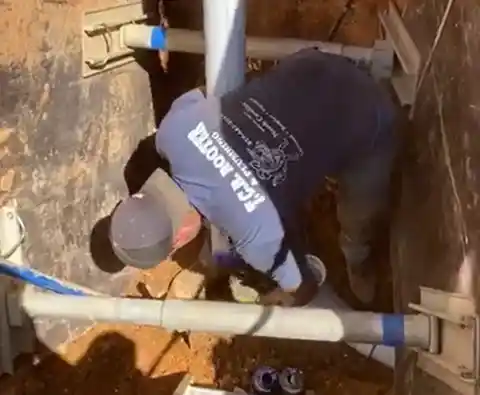
Running a restaurant or commercial kitchen in the Raleigh Triangle keeps you busy. However, one task often slips through the cracks. That task is grease trap maintenance, and it matters more than many owners realize.
A neglected grease trap can cause backups, foul odors, and costly fines. Therefore, staying ahead of the problem protects your business and your reputation.
In this guide, our team explains how grease traps work. Additionally, we share practical tips for keeping yours clean across Raleigh, Apex, and nearby communities.
What Is a Grease Trap?
A grease trap is a plumbing device that captures fats, oils, and grease. We often call these substances FOG for short.
When you wash dishes or clean cooking equipment, FOG flows down the drain. However, grease does not mix with water. Instead, it floats and hardens over time.
The trap slows wastewater down so grease can rise to the top. Meanwhile, food solids settle to the bottom. As a result, cleaner water flows into the sewer system.
Why Grease Traps Matter
Grease that escapes into the sewer causes major problems. For example, it sticks to pipe walls and builds up fast.
Over time, this buildup creates blockages and overflows. Because of this, many North Carolina towns require commercial kitchens to maintain grease traps.
How Often Should You Clean a Grease Trap?
Cleaning frequency depends on your kitchen’s volume. Busy restaurants in Raleigh may need service every few weeks. On the other hand, smaller cafes might go longer.
A common rule is the one-quarter rule. When FOG and solids fill one-quarter of the trap, it needs cleaning.
However, waiting too long invites trouble. Therefore, we recommend setting a regular schedule based on your usage.
Signs Your Grease Trap Needs Attention
Watch for warning signs around your kitchen. Catching them early saves money and stress.
- Slow drains in sinks or floor drains
- Foul or sewage-like odors near the trap
- Standing water that drains poorly
- Visible grease overflow around the unit
- Frequent backups despite plunging
If you notice these issues, act quickly. Otherwise, a small problem can become an emergency.
The Risks of Skipping Maintenance
Ignoring your grease trap leads to serious consequences. First, you risk messy backups during peak hours.
Next, those backups can shut down your kitchen entirely. As a result, you lose revenue and disappoint customers.
Moreover, overflowing FOG can violate local codes. The City of Raleigh enforces grease management rules through its fats, oils, and grease program. Therefore, staying compliant keeps your doors open.
Health and Safety Concerns
A dirty grease trap creates health hazards. For example, standing FOG attracts pests and bacteria.
Additionally, strong odors can affect your dining area. Because of this, regular cleaning protects both staff and guests.
Grease Trap Maintenance Best Practices
Good habits reduce how often you need professional service. Furthermore, they extend the life of your plumbing system.
Smart Kitchen Habits
Start with your daily routine. Small changes make a big difference over time.
- Scrape plates into the trash before washing
- Never pour cooking oil down the drain
- Use sink strainers to catch food scraps
- Wipe greasy pans with paper towels first
- Train new staff on FOG-safe practices
These steps keep grease out of your trap. As a result, you stretch the time between cleanings.
Keep a Maintenance Log
Documentation matters for compliance. Many North Carolina towns require service records.
Therefore, log every cleaning date and provider. Also, note any repairs or issues you find. This record protects you during inspections.
Professional Grease Trap Cleaning
DIY habits help, but they only go so far. Eventually, every trap needs professional cleaning.
Professionals remove built-up FOG and solids completely. Meanwhile, they inspect the trap for damage or wear.
Our technicians serve commercial kitchens across the Triangle. We help businesses in Raleigh, Apex, Cary, and Wake Forest stay compliant. Contact the TCR Plumbing team to discuss your grease trap needs.
What to Expect During Service
A proper cleaning follows clear steps. First, the technician pumps out the trap contents.
Next, they scrape the walls and baffles clean. Then, they inspect for cracks or buildup in the lines.
Finally, they document the work for your records. As a result, you stay ahead of code requirements.
How Grease Traps Affect Your Drains and Sewer Lines
Your grease trap connects to your larger plumbing system. Therefore, neglect can damage more than just the trap.
When grease escapes, it coats your sewer lines. Over time, this narrows the pipes and slows drainage.
For stubborn buildup, hydro jetting clears the lines. This method uses high-pressure water to scour pipe walls. In addition, in-line camera inspection reveals hidden problems.
When to Call for Drain Cleaning
Sometimes a clean trap still has slow drains. In that case, the blockage may sit deeper in the line.
Professional drain cleaning solves these hidden issues. Furthermore, regular service prevents future backups. Schedule service before a small clog becomes a shutdown.
Choosing the Right Plumbing Partner in the Triangle
Not all plumbers handle commercial grease systems. Therefore, choose a team with proven commercial experience.
Look for licensed, bonded, and insured professionals. Also, ask about emergency availability and guarantees.
Our family-owned company has served the Triangle since 1993. We bring over 30 years of experience to every job. Moreover, our technicians are background-checked and drug-tested.
Serving Businesses Across North Carolina
We support commercial kitchens in many communities. For example, we serve Raleigh, Apex, Fuquay-Varina, and Durham.
Each town has its own grease management rules. Therefore, we help you understand and meet local requirements. Explore your options with a team that knows the area.
Frequently Asked Questions
How long does grease trap cleaning take?
Most cleanings take one to two hours. However, larger traps or heavy buildup may take longer.
Can I clean my grease trap myself?
Small traps allow some DIY skimming. However, full cleaning requires professional pumping and disposal. Also, improper disposal can violate local codes.
How do I know what size grease trap I need?
Trap size depends on your kitchen’s flow rate. A professional can assess your equipment and volume. Therefore, an inspection gives you the most accurate answer.
What happens to the collected grease?
Licensed haulers dispose of FOG at approved facilities. As a result, the waste stays out of the sewer system.
Does grease trap neglect cause sewer backups?
Yes, neglect is a common cause of backups. Escaped grease hardens and blocks the sewer line. Therefore, regular maintenance protects your whole system.
Protect Your Business With Proper Maintenance
Grease trap care keeps your kitchen running smoothly. Additionally, it protects you from fines and shutdowns.
With smart habits and regular service, you avoid costly problems. Furthermore, you keep your customers safe and satisfied.
Ready to set up a maintenance plan? Contact TCR Plumbing today and request service. Our licensed team is ready to help businesses across the Raleigh Triangle stay compliant and clean.