
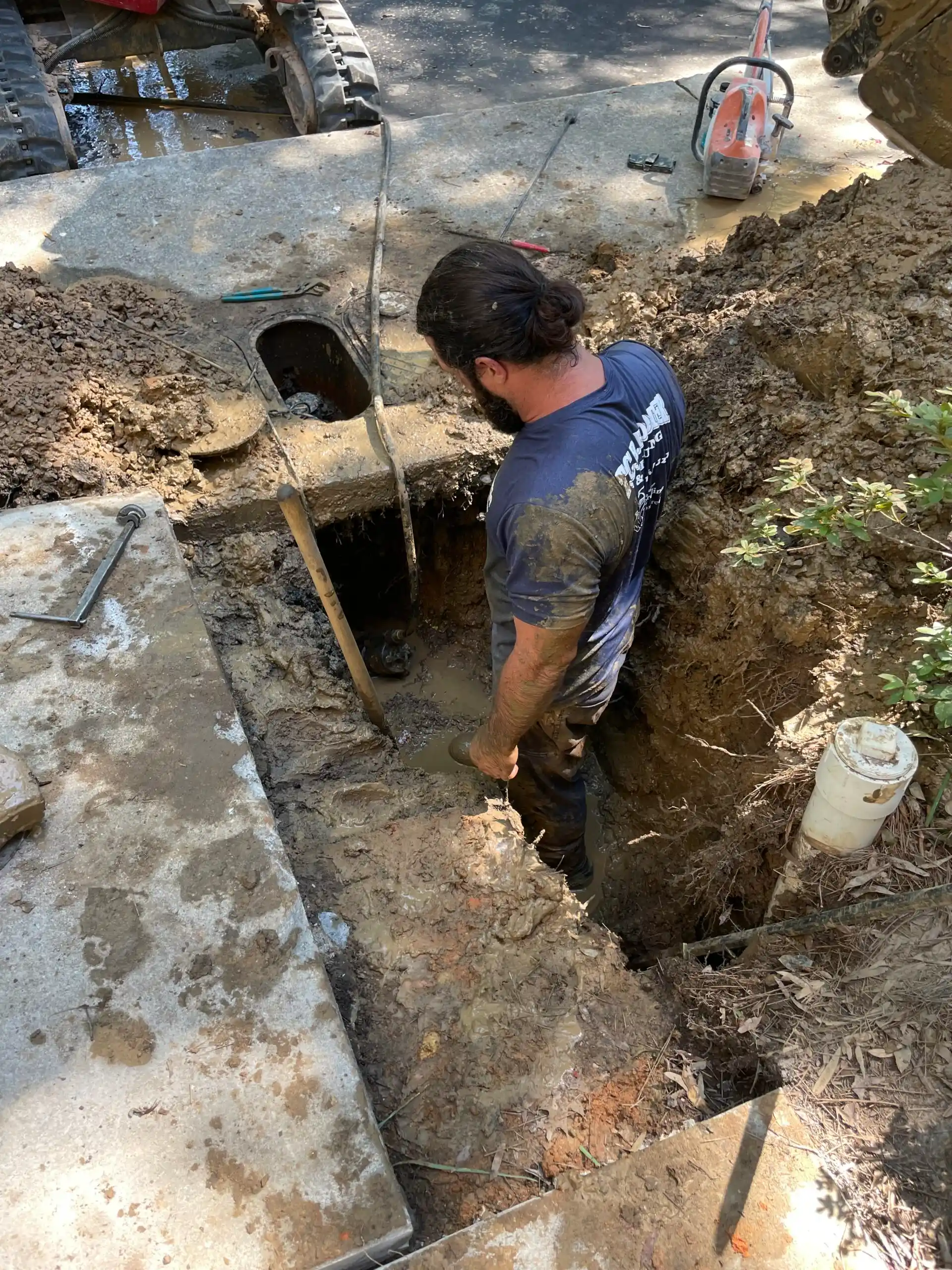
Older homes have plenty of charm. However, they often hide aging plumbing beneath the surface. Across the Raleigh Triangle, many homeowners face old home sewer problems that start small and grow fast.
Sewer lines do not last forever. Over time, pipes corrode, crack, and clog. As a result, what begins as a slow drain can become a costly backup.
In this guide, we explain the most common sewer issues in older homes. Additionally, we share practical tips to protect your property. Then, we answer the questions Raleigh-area homeowners ask most.
Why Older Homes Face More Sewer Trouble
Age is the biggest factor. Many homes in Raleigh, Durham, and Wake Forest were built decades ago. Therefore, their sewer lines often use outdated materials.
For example, older pipes may be made of clay, cast iron, or Orangeburg. These materials break down over time. As a result, they crack, sag, and collapse far sooner than modern PVC.
Soil movement also plays a role. The Triangle’s clay-heavy soil shifts with moisture. Because of this, buried pipes can settle and separate at the joints.
Common Old-Pipe Materials
- Clay pipe: brittle and prone to cracking
- Cast iron: rusts and corrodes from the inside
- Orangeburg: made of compressed fiber that deteriorates
- Galvanized steel: corrodes and restricts flow
If your home predates the 1980s, it may still have these pipes. Therefore, regular inspection is a smart move.
Tree Root Intrusion
Tree roots are a leading cause of sewer damage. They seek water and nutrients. As a result, they grow toward leaking sewer joints.
Once inside, roots expand and block the line. Meanwhile, they trap waste and debris. This leads to slow drains, gurgling toilets, and full backups.
Mature trees are common across the Triangle. For example, neighborhoods in Cary and Fuquay-Varina feature large, established oaks. Their roots can travel far underground.
Signs of Root Intrusion
- Multiple drains slow at the same time
- Gurgling sounds from toilets
- Foul odors near drains or in the yard
- Patches of unusually green grass
A camera inspection finds the problem fast. Additionally, it shows exactly where roots have entered the line.
Pipe Corrosion and Collapse
Cast iron and steel pipes corrode from the inside out. Over the years, rust builds up and narrows the pipe. Therefore, water flow slows and clogs form more often.
Eventually, corroded pipes weaken and collapse. When this happens, sewage cannot pass through. As a result, you may face sudden, messy backups.
Corrosion is hard to spot without proper tools. However, an in-line camera reveals scaling and pitting clearly. Because of this, inspections matter for older homes.
Watch for These Warning Signs
- Recurring clogs that return quickly
- Discolored or rusty water
- Reduced water pressure
- Sewage smells inside the home
Bellied and Sagging Sewer Lines
A “belly” is a low spot in the line. It forms when the soil beneath the pipe shifts or erodes. As a result, the pipe sags and holds standing water.
Waste collects in the dip instead of flowing away. Therefore, sludge builds up and clogs the line. Meanwhile, the standing water speeds up corrosion.
The Triangle’s expansive clay soil makes this common. For example, ground movement after heavy rain can stress buried pipes. Over time, joints separate and bellies form.
Aging Pipe Joints and Leaks
Old joints loosen as the home settles. Then, gaps form between pipe sections. Because of this, wastewater leaks into the surrounding soil.
Leaks attract roots and pests. Additionally, they can undermine your foundation and yard. On the other hand, early detection keeps repairs simple.
Professional leak detection pinpoints the problem without guesswork. If you suspect a hidden leak, you can contact the TCR Plumbing team to discuss your plumbing issue. We serve homeowners across Raleigh, Apex, and beyond.
Subtle Leak Clues
- Soggy spots in the yard with no rain
- Cracks in the foundation
- Higher water bills than usual
- Mold or mildew near floor drains
Grease, Debris, and Improper Use
Not every sewer problem comes from age. Sometimes, habits cause the damage. For example, grease poured down drains hardens inside the line.
Over time, grease combines with food and debris. Then, it forms stubborn blockages. Additionally, flushing wipes and paper towels makes things worse.
Older pipes are less forgiving than new ones. Therefore, mindful use protects your system. Encourage everyone in your home to follow simple rules.
Simple Prevention Habits
- Never pour grease or oil down the drain
- Flush only toilet paper and waste
- Use drain strainers in sinks and showers
- Avoid harsh chemical drain cleaners
Chemical cleaners can damage aging pipes. According to the U.S. Environmental Protection Agency’s septic care guidance, gentle maintenance protects your whole system. As a result, professional cleaning is often the safer choice.
How Professionals Diagnose Sewer Problems
Modern tools take the guesswork out of repairs. First, technicians run a camera through the line. Then, they view the pipe’s condition in real time.
This shows roots, cracks, bellies, and corrosion clearly. Therefore, the right fix is chosen the first time. Meanwhile, you avoid unnecessary digging.
Hydro jetting clears stubborn blockages with high-pressure water. Additionally, it scours away grease and root debris. For severe damage, trenchless repair may be an option.
Common Repair Methods
- Hydro jetting: high-pressure cleaning for tough clogs
- Pipe lining: a trenchless way to restore old pipes
- Spot repair: fixing a single damaged section
- Full replacement: for collapsed or failing lines
The best method depends on your pipe’s condition. Therefore, a thorough inspection always comes first. You can schedule service to learn which option fits your home.
Protecting Your Older Home’s Sewer System
Prevention is far cheaper than emergency repair. First, schedule routine inspections every few years. This is especially wise for homes built before 1980.
Next, watch for early warning signs. For example, slow drains and odors signal trouble. Then, address issues before they grow.
Finally, consider upgrading old pipe materials. Many homeowners in Durham and Zebulon replace clay or cast iron over time. As a result, they avoid repeat backups for years.
Frequently Asked Questions
How do I know if my sewer line is old?
Check your home’s construction date. Homes built before the 1980s often have clay or cast iron pipes. Additionally, a camera inspection confirms the line’s material and condition.
Can tree roots really break sewer pipes?
Yes. Roots seek moisture and enter through small cracks. Then, they expand and block or break the pipe. Therefore, nearby trees raise your risk.
Are chemical drain cleaners safe for old pipes?
Often, they are not. Harsh chemicals can corrode aging pipes further. As a result, professional cleaning is usually the safer choice.
How often should older homes have a sewer inspection?
Every two to three years works well for most homes. However, schedule one sooner if you notice slow drains or odors. Early checks prevent costly surprises.
Is trenchless repair available in the Raleigh area?
Yes. Many older sewer lines qualify for trenchless solutions. Therefore, you can often avoid major digging in your yard.
Get Help With Your Old Home Sewer Problems
Aging sewer lines do not fix themselves. The sooner you act, the simpler the repair. Therefore, do not wait for a full backup.
T.C.R. Rooter & Plumbing has served the Raleigh Triangle since 1993. We offer camera inspection, hydro jetting, leak detection, and sewer repair. Additionally, we provide 24/7 emergency service across Apex, Cary, Wake Forest, and Durham.
Our technicians are licensed, bonded, and insured. Moreover, we back every job with a 100% guarantee. Explore your options today and let our team protect your home.