Categories Plumbing

Emergency Plumbing Tips for Apex Homeowners

Plumbing emergencies rarely wait for a convenient time. A burst pipe or overflowing toilet can strike at midnight or during a holiday dinner. When that happens, you need a trusted emergency plumber in Apex ready to respond fast.

At TCR Plumbing, we have served the Raleigh Triangle since 1993. Therefore, we understand how stressful these moments feel. The good news? A few smart habits can limit the damage before help arrives.

In this guide, we share practical emergency plumbing tips for Apex homeowners. Additionally, we explain when to call a professional and how to prepare ahead of time.

Why Plumbing Emergencies Are Common in the Triangle

Homes across Apex, Cary, and Wake Forest share similar plumbing challenges. Many older neighborhoods still have aging pipes. Meanwhile, newer subdivisions face their own wear and tear over time.

North Carolina weather also plays a role. For example, sudden cold snaps can freeze exposed pipes. As a result, those pipes may crack and leak when they thaw.

Common Triangle Plumbing Issues

Several problems show up again and again in our service area. However, most are manageable with quick action. Knowing the signs helps you respond faster.

  • Burst or frozen pipes during winter weather
  • Clogged drains from grease, hair, or debris
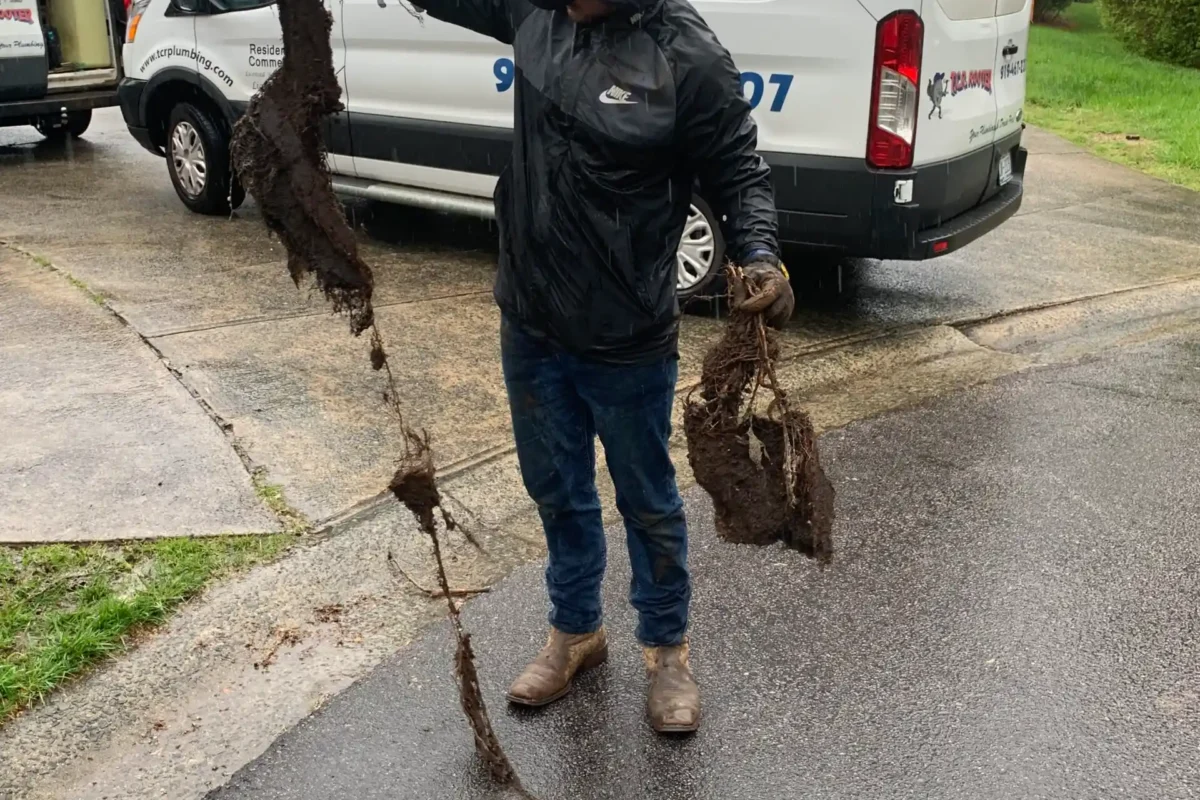
  • Sewer line backups caused by tree roots
  • Water heater failures with no hot water
  • Hidden leaks behind walls or under slabs

First Steps During a Plumbing Emergency

Stay calm when a plumbing problem strikes. Then take a few quick steps to protect your home. These actions can save you serious money in repairs.

Shut Off the Water

First, locate your main water shutoff valve. It is usually near the street or where the line enters your home. Turn it clockwise to stop the flow.

For smaller issues, use the local valve instead. For example, toilets and sinks have shutoff valves nearby. Therefore, you can stop water without cutting off the whole house.

Turn Off the Water Heater

Next, shut down your water heater if the main water is off. This step prevents damage to the unit. Moreover, it protects you from overheating risks.

For gas heaters, switch the dial to “pilot.” On the other hand, electric models need the breaker turned off. Take this step before draining any lines.

Contain the Damage

Then grab towels, buckets, and a mop. Use them to soak up standing water quickly. Standing water can ruin floors and encourage mold.

Also, move furniture and valuables away from the affected area. Because of this, you reduce the risk of costly losses. Finally, take photos for your insurance records.

Handling Specific Plumbing Emergencies

Different problems call for different responses. However, the right move can buy time until a plumber arrives. Here is what to do in common situations.

Burst Pipes

A burst pipe releases water fast. First, shut off the main valve immediately. Then open faucets to drain the remaining water in the lines.

Frozen pipes often cause bursts in Apex and Fuquay-Varina. Therefore, insulate exposed pipes before winter. In addition, let faucets drip during freezing nights.

Overflowing Toilets

An overflowing toilet creates a mess quickly. First, turn the shutoff valve behind the toilet. Next, remove the tank lid and push the flapper down.

Avoid flushing again until the issue clears. Meanwhile, a plunger may dislodge a simple clog. However, repeated overflows can signal a deeper sewer problem.

Clogged Drains

Slow or stubborn drains are frustrating. Try a plunger or a drain snake first. However, avoid harsh chemical cleaners that damage pipes.

Persistent clogs often need professional drain cleaning. For example, our team uses hydro jetting to clear tough blockages. As a result, your pipes flow freely again.

Sewer Line Backups

A sewer backup is a serious emergency. You may notice foul smells or multiple slow drains. Additionally, gurgling sounds often signal trouble.

Stop using water right away. Then call a professional for an in-line camera inspection. This tool finds the exact cause, such as tree roots or collapsed pipes.

When to Call an Emergency Plumber in Apex

Some issues simply cannot wait until morning. Therefore, knowing when to call helps you act fast. Quick response often prevents bigger damage.

Call right away if you face any of these situations. However, do not hesitate when water threatens your home. Contact the TCR Plumbing team to discuss your plumbing issue any time.

  • Water gushing from a pipe or fixture
  • Sewage backing up into drains or tubs
  • No water anywhere in the home
  • A gas smell near your water heater
  • Major leaks behind walls or under floors

Why Fast Response Matters

Water damage spreads fast inside walls and floors. As a result, mold can grow within a day or two. Quick action limits these health and repair risks.

Our team offers 24/7 emergency service across the Triangle. Furthermore, we serve Raleigh, Apex, Wake Forest, and Durham. Therefore, help is always close by.

How to Prevent Plumbing Emergencies

Prevention beats repair every time. Fortunately, simple habits reduce your risk. These steps protect your home year-round.

Schedule Regular Inspections

Routine plumbing checks catch small problems early. For example, a tiny leak today can become a flood tomorrow. Therefore, annual inspections pay off.

A professional can spot worn pipes and weak joints. In addition, leak detection tools find hidden moisture. Because of this, you avoid sudden surprises.

Protect Pipes in Cold Weather

Winter freezes are common in the Triangle. Therefore, insulate pipes in attics, garages, and crawl spaces. Foam sleeves offer affordable protection.

Also, disconnect garden hoses before the first freeze. Meanwhile, keep your home above 55 degrees when away. These small steps prevent costly bursts.

Be Careful What Goes Down the Drain

Drains are not trash cans. Never pour grease or oil down the sink. Instead, let grease cool and toss it out.

In addition, use drain screens to catch hair and food. The EPA’s guidance on fixing household leaks also offers helpful water-saving tips. As a result, you protect both your pipes and your wallet.

Know Your Plumbing System

Every homeowner should know key shutoff locations. First, find your main water valve. Next, locate valves for toilets, sinks, and the water heater.

Label these valves clearly for emergencies. Moreover, share the locations with your family. Therefore, anyone can act fast when needed.

Frequently Asked Questions

What counts as a plumbing emergency?

A plumbing emergency threatens your home or health. For example, burst pipes, sewage backups, and major leaks qualify. When in doubt, call a professional right away.

Can I fix a burst pipe myself?

You can shut off the water and contain the mess. However, a true repair needs a licensed plumber. Therefore, call for help to prevent further damage.

How fast can an emergency plumber arrive?

Response times vary by location and demand. However, our 24/7 team serves Apex and nearby areas quickly. Call us anytime for urgent help.

Are chemical drain cleaners safe?

Most harsh cleaners damage pipes over time. Instead, try a plunger or drain snake first. For stubborn clogs, professional drain cleaning works best.

How can I avoid frozen pipes?

Insulate exposed pipes before winter arrives. Additionally, let faucets drip on freezing nights. These steps reduce the risk of bursts.

Trust TCR Plumbing for Emergency Service

Plumbing emergencies are stressful, but you are not alone. Since 1993, TCR Plumbing has served the Raleigh Triangle. Therefore, we bring over 30 years of experience to every call.

We are family-owned, licensed, bonded, and insured. Moreover, our technicians are background-checked and drug-tested. We back all work with a 100% guarantee.

From Apex to Wake Forest, we are ready to help. Schedule service today or call our 24/7 emergency line. As a result, you can protect your home with confidence.

Categories Plumbing

How Heavy Rain Can Trigger Plumbing Emergencies in the Raleigh Triangle

Heavy rain looks harmless from inside your home. However, a storm plumbing emergency can strike fast when water overwhelms your pipes. Many Raleigh Triangle homeowners learn this the hard way.

Storms put serious pressure on your drains, sewer lines, and sump pumps. As a result, small problems quickly turn into flooded basements and backed-up drains. Knowing the warning signs helps you act early.

In this guide, we explain how rain affects your plumbing. Additionally, we share practical tips for homeowners and businesses across Raleigh, Apex, and Durham. Let’s dig in.

Why Heavy Rain Stresses Your Plumbing System

Your plumbing connects directly to the ground around your home. Therefore, soggy soil and rising groundwater affect everything underground. Storms simply expose hidden weaknesses.

When rain falls hard, the soil cannot absorb it fast enough. As a result, water pools and pushes against pipes and foundations. This extra pressure causes leaks and backups.

The Triangle’s Soil and Storm Patterns

The Raleigh Triangle sees heavy summer thunderstorms and tropical systems. Moreover, our clay-heavy soil drains slowly after a downpour. Because of this, water lingers around pipes longer than you might expect.

Older neighborhoods in Raleigh and Durham often have aging sewer lines. Therefore, these systems struggle during intense rain events. Newer areas like Apex and Cary face challenges too.

Common Storm Plumbing Emergencies After Heavy Rain

Rain triggers several predictable plumbing problems. First, let’s review the most common emergencies. Then we will explain what causes each one.

Sewer Line Backups

Sewer backups rank among the messiest storm problems. When city sewers fill up, wastewater has nowhere to go. As a result, it can flow back into your home through floor drains.

Tree roots make this worse. Roots seek moisture, so they invade cracked sewer pipes. Then heavy rain pushes debris and water through these weak spots.

You might notice gurgling toilets or slow drains. Additionally, foul odors often signal a backup. Call a professional right away if you see these signs.

Sump Pump Failures

Sump pumps protect basements and crawl spaces from flooding. However, they often fail during the worst storms. Power outages and overwhelmed pumps cause this.

A failed pump means standing water in your lowest level. Moreover, that water damages floors, walls, and stored belongings. Regular testing prevents many failures.

Drain Overflows and Slow Drains

Storm water can flood your drainage system quickly. As a result, sinks, tubs, and floor drains back up. This often happens when outdoor debris clogs pipes.

Leaves and mud wash into drains during heavy rain. Therefore, your drains lose their ability to move water. Routine drain cleaning keeps lines clear.

Warning Signs You Should Never Ignore

Early action saves money and stress. Therefore, watch for these warning signs during and after storms. Each one points to a possible emergency.

  • Gurgling sounds from toilets or drains
  • Slow drainage in multiple fixtures at once
  • Water pooling near floor drains or basements
  • Sewage odors inside or outside your home
  • Damp spots on walls, floors, or ceilings

These symptoms rarely fix themselves. On the other hand, prompt repairs limit the damage. Trust your senses when something seems off.

When to Call for Emergency Help

Some problems demand immediate attention. For example, raw sewage in your home creates a health hazard. Standing water near electrical outlets is dangerous too.

Do not wait for the rain to stop. Instead, call a licensed plumber fast. The TCR Plumbing team offers 24/7 emergency service across the Triangle.

How to Prepare Your Plumbing Before a Storm

Preparation beats panic every time. Therefore, take a few simple steps before storm season arrives. These habits protect your home and budget.

Test Your Sump Pump

First, pour water into the sump pit. Then check that the pump turns on and drains properly. A backup battery adds protection during outages.

Replace old pumps before they fail. Moreover, a working pump gives you peace of mind during heavy rain. Annual checks make a big difference.

Clear Gutters and Outdoor Drains

Clogged gutters dump water against your foundation. As a result, that water seeps toward your pipes and basement. Clean gutters direct water safely away.

Also clear leaves from outdoor drains and grates. Because of this, storm water flows where it belongs. Simple yard maintenance prevents indoor flooding.

Schedule a Sewer Line Inspection

A camera inspection reveals hidden cracks and root intrusion. Therefore, you can fix small problems before storms arrive. This step is wise for older Raleigh and Durham homes.

Professional drain cleaning removes buildup too. Additionally, hydro jetting clears stubborn roots and grease. These services keep your sewer line ready for rain.

What to Do During a Storm Plumbing Emergency

Stay calm when water starts backing up. First, stop using water inside your home. This reduces the load on your already stressed pipes.

Next, shut off your main water valve if leaks appear. Then move valuables away from flooded areas. Finally, call a trusted plumber for help.

Avoid contact with sewage water. Moreover, keep children and pets away from affected rooms. Safety always comes first during emergencies.

Document the Damage

Take photos before you clean anything up. Therefore, you have records for your insurance claim. Detailed photos help speed up the process.

The Federal Emergency Management Agency offers helpful guidance on flood preparedness and insurance for homeowners. Reviewing your policy early prevents surprises later. Insurance rules vary widely, so check the details.

How Professionals Solve Storm Plumbing Problems

Licensed plumbers bring tools homeowners simply do not have. For example, in-line cameras pinpoint hidden blockages fast. This saves time and reduces guesswork.

Hydro jetting blasts away roots, grease, and debris. As a result, your sewer line flows freely again. This method works better than basic snaking.

Long-Term Repairs and Upgrades

Sometimes a quick fix is not enough. Therefore, professionals may recommend pipe repairs or replacement. Backflow valves also stop sewage from re-entering your home.

Older homes with polybutylene plumbing face extra risks. Moreover, these pipes weaken over time and fail under pressure. An upgrade adds lasting protection.

If you want to explore your options, our experienced team can help. Contact the TCR Plumbing team to discuss your storm-related plumbing concerns. We serve Apex, Wake Forest, Fuquay-Varina, and beyond.

Protecting Commercial Properties From Storm Damage

Businesses face unique storm risks too. For example, large drainage systems handle heavy volume. Therefore, a single backup disrupts your whole operation.

Restaurants, offices, and retail spaces all need reliable drains. Additionally, downtime costs money and frustrates customers. Preventive maintenance protects your bottom line.

Schedule regular inspections before storm season. Moreover, keep emergency contacts handy for fast response. Commercial properties in Raleigh and Cary benefit greatly from this planning.

Frequently Asked Questions

Why do my drains back up only when it rains?

Heavy rain floods the public sewer system fast. As a result, water flows back toward your home. Cracked pipes and root intrusion often make this worse.

Can heavy rain damage my water heater?

Yes, flooding can damage water heaters quickly. For example, water reaching the burner or controls causes failures. Elevate units in flood-prone areas for protection.

How often should I clean my sewer line?

Many homes benefit from a cleaning every one to two years. However, older homes with trees nearby may need it more often. A camera inspection helps you decide.

Is a backup sump pump worth it?

Absolutely. A battery backup keeps pumping during power outages. Therefore, you stay protected when storms knock out electricity.

Should I shut off water during a storm?

Shut off the main valve only if you see active leaks or flooding. Otherwise, simply limit water use. This reduces strain on your pipes.

Protect Your Home Before the Next Storm

Heavy rain will keep testing Triangle plumbing systems. However, you do not have to face a storm plumbing emergency alone. Smart preparation makes all the difference.

Our family-owned company has served the Raleigh area since 1993. Moreover, we are licensed, bonded, and insured with an A+ BBB rating. We back every job with a 100% guarantee.

Do not wait for water to rise. Instead, schedule service with our trusted local team today. Call TCR Plumbing for fast, reliable storm plumbing help across the Triangle.

Categories Plumbing

What to Do If Your Toilet Overflows

An overflowing toilet ranks among the most stressful home emergencies. Water rises fast, and panic often follows close behind. However, you can handle this mess calmly with the right steps.

Here at TCR Plumbing, we serve homeowners across the Raleigh Triangle every day. Many of those calls involve an overflowing toilet that strikes without warning. Therefore, we created this simple guide to help you act quickly.

First, take a deep breath. Next, follow the steps below to stop the water and protect your home. As a result, you can limit damage and avoid a bigger plumbing problem.

Stop the Water Right Away

Your first goal is simple. You must stop more water from entering the bowl. Because of this, quick action matters most in the first few seconds.

Lift the Tank Lid

Open the toilet tank and look inside. Then push the rubber flapper down over the drain opening. This stops water from flowing into the bowl.

Also, lift the float to halt the refill cycle. Meanwhile, this buys you time to find the shutoff valve. Therefore, the bowl stops rising right away.

Shut Off the Water Valve

Look for the small valve behind the toilet near the floor. Then turn it clockwise to stop the supply. As a result, no new water reaches the toilet.

If the valve sticks or breaks, do not force it. Instead, head to your home’s main water shutoff. Furthermore, every homeowner should know where that main valve sits.

Protect Your Floors and Belongings

Standing water damages floors, walls, and trim quickly. Therefore, move fast to contain the spill. Additionally, prompt cleanup helps prevent mold and odors.

Grab old towels, rags, or a mop right away. Then place them around the toilet base. Also, lay down newspaper to soak up the overflow.

  • Remove rugs and bath mats before they soak through.
  • Move trash cans and personal items away from the water.
  • Open a window or fan to help the area dry.
  • Wear gloves because the water may carry bacteria.

Wastewater can pose health risks for your family. For this reason, wash your hands and clean surfaces well afterward. Moreover, keep children and pets away until the floor dries.

Find the Cause of the Overflow

Once the water stops, look for the real problem. An overflowing toilet usually points to a clog. However, deeper issues sometimes hide in your pipes.

Common Reasons Toilets Overflow

Many overflows start with everyday mistakes. For example, too much toilet paper blocks the trap. In addition, flushing wipes or paper towels often causes clogs.

  • Clogged toilet trap from paper or foreign objects.
  • Blocked main drain line affecting the whole home.
  • Tree roots growing into older sewer lines.
  • A failing fill valve that overfills the tank.

In older Raleigh and Durham neighborhoods, tree roots cause frequent trouble. Furthermore, mature oaks and pines invade aging clay pipes. As a result, repeat overflows often signal a sewer line issue.

When More Than One Drain Acts Up

Pay attention if several drains back up at once. For example, your tub gurgles while the toilet overflows. This pattern usually means a main line blockage.

In that case, stop using water throughout the house. Then call a plumber soon. Otherwise, the problem can spread to other fixtures fast.

Try a Plunger First

Most simple clogs respond well to a plunger. Therefore, keep a quality flange plunger in every bathroom. A good seal makes all the difference here.

How to Plunge the Right Way

Place the plunger over the drain hole firmly. Then push down slowly to remove trapped air. Next, pump with steady, strong strokes.

Keep enough water in the bowl to cover the plunger head. Also, avoid splashing dirty water onto yourself. Finally, flush carefully to test the drain.

If plunging fails after several tries, stop pushing. Otherwise, you risk a bigger mess. Instead, move on to professional help.

Know When to Call a Professional

Some clogs go beyond a simple plunge. Therefore, certain signs mean you should call an expert. A licensed plumber finds the hidden cause fast.

You should reach out when problems repeat or spread. For example, frequent overflows often point to a deeper blockage. In addition, foul sewer odors suggest a line problem.

  • Multiple fixtures back up at the same time.
  • Water rises even with the valve shut off.
  • Sewage smells appear in your yard or home.
  • Overflows return within days of clearing.

Our team uses tools like in-line camera inspection to see inside your pipes. Additionally, we offer hydro jetting to clear stubborn buildup. As a result, we fix the root cause instead of guessing.

Serving the Raleigh Triangle

TCR Plumbing has served local families since 1993. We respond across Raleigh, Apex, Cary, Wake Forest, and Fuquay-Varina. Therefore, help stays close no matter where you live.

We also offer 24/7 emergency service for urgent overflows. Moreover, our technicians are background-checked and drug-tested. You can contact the TCR Plumbing team to discuss your plumbing issue anytime.

Prevent Future Toilet Overflows

Prevention beats cleanup every time. Therefore, a few simple habits protect your toilet. In addition, regular care saves you money over the years.

Smart Daily Habits

Flush only toilet paper and human waste. Also, keep wipes, floss, and cotton balls out of the bowl. Even “flushable” wipes cause stubborn clogs.

The Environmental Protection Agency explains how small leaks and toilet issues waste water over time. Because of this, fixing minor problems early pays off. Furthermore, an efficient toilet lowers your water bill.

Schedule Routine Drain Care

Older homes in Durham and Wake Forest benefit from regular drain cleaning. Therefore, a yearly checkup keeps your lines clear. In addition, a camera inspection catches root intrusion early.

Teach children not to flush toys or trash. Also, keep a small trash can in each bathroom. As a result, you avoid many common clogs.

Ready for peace of mind? You can schedule service with our team for a thorough inspection. Then you can relax knowing your plumbing works as it should.

Frequently Asked Questions

Why does my toilet overflow when nothing is flushed?

This often means a main line blockage. Water has nowhere to go, so it backs up. Therefore, call a plumber to inspect your sewer line.

Is an overflowing toilet an emergency?

It can be, especially with sewage or repeat overflows. Because of this, fast action prevents water damage. We offer 24/7 emergency help across the Triangle.

Can I pour chemicals down to fix the clog?

We do not recommend harsh chemical cleaners for toilets. They can damage pipes and harm you. Instead, try a plunger or call a professional.

How do I stop water during an overflow?

First, push the tank flapper down. Then turn off the valve behind the toilet. As a result, the bowl stops rising fast.

How often should I clean my drains?

Once a year works well for most homes. However, older properties may need more frequent care. Additionally, regular service prevents surprise overflows.

Call TCR Plumbing for Fast Help

An overflowing toilet does not have to ruin your day. With quick steps, you can stop the water and limit damage. However, some clogs need a trusted professional.

TCR Plumbing brings over 30 years of experience to every job. We are licensed, bonded, and insured with an A+ BBB rating. Moreover, we back all work with a 100% guarantee.

Do not wait for a small clog to become a big mess. Instead, reach out for fast, friendly service. Contact TCR Plumbing today and let our experts handle the rest.

Categories Plumbing

The Cost of Delaying Emergency Plumbing Repairs

A small leak rarely stays small. Many homeowners ignore early warning signs, hoping the problem disappears. Unfortunately, delayed plumbing repairs almost always cost more later.

At TCR Plumbing, we see this pattern across the Raleigh Triangle every week. A minor drip becomes a flooded floor. A slow drain becomes a backed-up sewer line. Therefore, fast action protects both your wallet and your home.

This guide explains the true cost of waiting. Moreover, it shares practical tips for homeowners and businesses in Raleigh, Apex, and nearby communities.

Why Delayed Plumbing Repairs Get Expensive

Plumbing problems grow quietly. Water finds the smallest weak spot and spreads. As a result, a quick fix today often prevents a major repair tomorrow.

For example, a tiny pinhole leak may seem harmless. However, that same leak can rot framing, warp floors, and feed mold. Then the repair bill climbs far beyond the original issue.

Small Problems Become Big Problems

Most plumbing emergencies start small. Homeowners often miss the early signs. Because of this, damage spreads before anyone notices.

  • A slow drain can signal a deeper clog or sewer issue.
  • A running toilet wastes water and raises your bill.
  • A damp cabinet may hide a growing pipe leak.
  • Low water pressure can point to hidden line damage.

Each of these issues seems minor at first. However, ignoring them invites costly damage. Therefore, acting early saves money and stress.

The Hidden Costs of Waiting

The repair itself is only one part of the cost. Delayed plumbing repairs create ripple effects throughout your property. Additionally, these effects often cost more than the plumbing work.

Water Damage and Mold

Standing water damages drywall, flooring, and cabinets. Meanwhile, hidden moisture feeds mold growth. North Carolina’s humid climate makes this risk even worse.

Mold spreads quickly in warm, damp spaces. As a result, remediation can become expensive. Furthermore, mold may affect indoor air quality and health.

Higher Water Bills

Leaks waste water around the clock. A constant drip adds up fast. Therefore, your monthly bill climbs while the problem worsens.

The EPA’s guidance on fixing household leaks highlights how much water small leaks waste. In short, early repairs protect both water and money.

Structural and Foundation Damage

Long-term leaks threaten your home’s structure. Water can weaken framing, subfloors, and even foundations. Because of this, delayed repairs sometimes lead to major renovation costs.

Emergency Plumbing Issues You Should Never Ignore

Some problems demand immediate attention. Waiting only multiplies the damage. Therefore, recognizing true emergencies matters.

Burst or Frozen Pipes

A burst pipe releases gallons of water quickly. Meanwhile, the damage spreads to walls and floors. Shut off your main water valve and call a professional right away.

Winter cold snaps hit the Triangle each year. As a result, pipes in unheated spaces can freeze. First, insulate exposed pipes before temperatures drop.

Sewer Line Backups

A sewer backup is both messy and unhealthy. Sewage can flow back into your home. Therefore, this problem requires fast, professional service.

Older neighborhoods in Raleigh and Durham often have aging sewer lines. Tree roots, in particular, invade these pipes. However, a camera inspection can quickly find the cause.

Water Heater Failures

A leaking water heater signals trouble. Rusty water, strange noises, or pooling water all warn of failure. Next, schedule an inspection before a full breakdown.

How Delays Affect Homeowners vs. Businesses

Plumbing emergencies disrupt everyone. However, the stakes differ for homes and businesses. Both should respond fast.

For Homeowners

A plumbing failure disrupts daily life. Families lose access to clean water or working drains. Additionally, repairs grow more expensive the longer you wait.

Homeowners in Apex, Cary, and Wake Forest face the same risks. For example, an ignored slab leak can ruin flooring throughout a house. Therefore, early detection is key.

For Businesses

For commercial properties, delays cost revenue. A closed restroom or flooded space can halt operations. Meanwhile, customers and employees notice the disruption.

Restaurants in Fuquay-Varina and offices in Raleigh depend on reliable plumbing. As a result, fast emergency service protects business reputation. Moreover, it limits downtime.

Warning Signs That Demand Quick Action

Knowing the signs helps you act early. Therefore, watch for these red flags around your property.

  • Gurgling drains that signal trapped air or blockages.
  • Sewage odors near drains or in the yard.
  • Water stains on ceilings or walls.
  • Soggy spots in the lawn over sewer or water lines.
  • Spiking water bills with no clear reason.

Any of these signs deserves attention. However, several at once suggest a serious problem. In that case, call a licensed plumber promptly.

How to Reduce Your Risk of Plumbing Emergencies

Prevention costs far less than emergency repair. Furthermore, simple habits protect your plumbing year-round. First, stay alert to small changes.

Schedule Routine Inspections

Regular inspections catch problems early. A professional can spot worn pipes and slow leaks. As a result, you avoid surprise emergencies.

In-line camera inspections reveal hidden sewer issues. Therefore, they help Triangle homeowners plan ahead. Moreover, they prevent messy backups.

Maintain Your Drains

Clogged drains cause many emergencies. Avoid pouring grease or fibrous food down sinks. Additionally, use drain screens to catch debris.

For stubborn buildup, hydro jetting clears lines thoroughly. However, leave this work to professionals. Improper methods can damage older pipes.

Know Your Shutoff Valves

Every homeowner should locate the main water shutoff. In an emergency, this valve stops the flow fast. Therefore, knowing its location limits damage.

Want to protect your property year-round? Contact the TCR Plumbing team to discuss your plumbing issue and schedule routine maintenance.

Why Trust TCR Plumbing in the Raleigh Triangle

Family-owned since 1993, TCR Plumbing brings over 30 years of experience. Founder Terry Ault built the company on fairness and respect. As a result, customers across the Triangle trust our work.

We are licensed, bonded, and insured (#29177). Additionally, we hold an A+ BBB rating. Our technicians are background-checked and drug-tested.

We serve Raleigh, Apex, Zebulon, Wake Forest, Durham, and beyond. Moreover, we offer 24/7 emergency service. Finally, we back all work with a 100% guarantee.

Frequently Asked Questions

How quickly should I fix a small plumbing leak?

Address leaks as soon as possible. Even small drips waste water and cause damage. Therefore, fast repairs prevent bigger problems and higher costs.

Are delayed plumbing repairs really more expensive?

Yes, delayed plumbing repairs usually cost more over time. Water damage, mold, and structural issues add up. Therefore, early action protects your budget.

What counts as a true plumbing emergency?

Burst pipes, sewer backups, and major leaks are emergencies. Each can damage your property quickly. As a result, these issues need immediate professional help.

Do you offer emergency service in nearby cities?

Yes. We provide 24/7 emergency service across the Triangle. This includes Apex, Cary, Wake Forest, and Fuquay-Varina.

How can I prevent plumbing emergencies?

Schedule routine inspections and maintain your drains. Additionally, know where your shutoff valve is. These steps reduce your emergency risk.

Don’t Wait—Protect Your Home Today

Delayed plumbing repairs only get worse with time. The longer you wait, the more you pay. Therefore, acting early is always the smarter choice.

Whether you face a leak, clog, or water heater issue, we can help. Our team responds fast across the Raleigh Triangle. Schedule service before a small problem becomes a costly one.

Ready to explore your options? Reach out to TCR Plumbing today and protect your property with trusted, guaranteed plumbing care.

Categories Plumbing

Emergency Sewer Backups: What Homeowners Should Know

A sewer backup emergency ranks among the worst plumbing problems a home can face. Suddenly, dirty water rises from drains, toilets, or floor openings. Meanwhile, the smell and mess feel overwhelming.

However, fast action makes a big difference. Because of this, knowing the warning signs helps you protect your home. Furthermore, understanding the causes can save you stress and money.

At T.C.R. Rooter & Plumbing, we help homeowners across the Raleigh Triangle handle these messy situations. Therefore, this guide explains what to watch for and what to do next.

What Is a Sewer Backup?

A sewer backup happens when wastewater cannot flow away from your home. As a result, it reverses direction and comes back through your drains. Then it spills into sinks, tubs, or basements.

This problem differs from a simple clogged drain. For example, one slow sink usually means a local clog. On the other hand, a sewer backup affects many fixtures at once.

Why Backups Are Serious

Raw sewage carries bacteria and harmful contaminants. Therefore, it poses real health risks to your family. Additionally, standing water can damage flooring, walls, and belongings.

Because of this, you should treat a backup as an emergency. Moreover, quick cleanup limits long-term damage and mold growth.

Common Warning Signs of a Sewer Backup

Most backups give you clues before they get worse. Therefore, catching these signs early can prevent a full-blown mess. Watch for these common red flags.

  • Multiple slow drains across the home at once
  • Gurgling sounds from toilets or drains
  • Water backing up when you flush or run the washer
  • Bad sewage odors near drains or in the yard
  • Soggy patches in your lawn over the sewer line

However, some signs feel subtle at first. For example, a single gurgling toilet may seem minor. Then it can grow into a major issue quickly.

When to Call for Help

Call a plumber when several fixtures act up together. Additionally, reach out if water rises from the lowest drains. Meanwhile, stop using water to avoid worsening the problem.

Homeowners in Raleigh, Apex, and Cary often face older lines. Therefore, regular inspections help catch trouble early.

What Causes Sewer Backups in the Raleigh Triangle?

Several factors lead to backups in our area. Furthermore, local conditions play a big role. Understanding the causes helps you prevent future problems.

Tree Root Intrusion

Tree roots seek moisture inside sewer pipes. As a result, they grow into small cracks and joints. Then they expand and block the flow.

Many neighborhoods in Durham and Wake Forest have mature trees. Therefore, root intrusion happens often in older systems. Hydro jetting can clear these stubborn blockages.

Aging or Damaged Pipes

Older homes may have clay or cast iron pipes. Over time, these materials crack or collapse. Because of this, debris collects and causes backups.

Some homes still contain polybutylene plumbing too. Therefore, an inspection can reveal hidden weak spots in your system.

Grease and Debris Buildup

Grease, wipes, and food scraps cause many clogs. For example, grease cools and hardens inside pipes. Then it traps other waste and blocks the line.

Additionally, so-called “flushable” wipes do not break down well. As a result, they often cause serious backups.

Heavy Rain and Flooding

The Triangle sees heavy storms throughout the year. During big rains, city sewer systems can overflow. Therefore, water may push back into homes.

The EPA’s guidance on sewer and septic systems explains how stormwater affects these systems. Furthermore, it offers helpful homeowner tips.

What to Do During a Sewer Backup Emergency

Stay calm and act quickly when a backup strikes. Meanwhile, follow these steps to protect your home and health. First, focus on safety above all.

  • Stop using water immediately to prevent more overflow
  • Avoid the contaminated area until cleanup begins
  • Turn off electricity near affected zones if safe
  • Open windows to ventilate the space
  • Call a licensed plumber for emergency service

However, do not try major cleanup alone. Because of this, professional help keeps you safe. Additionally, plumbers find the true source of the problem.

Protect Your Health

Wear gloves and boots if you must enter the area. Then wash thoroughly afterward. Moreover, keep children and pets far from the mess.

Sewage exposure can cause illness. Therefore, treat all contaminated water as hazardous.

Document the Damage

Take photos before any cleanup starts. As a result, you have records for insurance claims. Furthermore, note which items the water touched.

How Plumbers Diagnose and Fix Backups

Professional plumbers use proven tools to find the cause. First, they inspect the system carefully. Then they choose the right repair method.

In-Line Camera Inspection

A camera shows exactly what blocks your line. Therefore, plumbers see roots, cracks, or buildup clearly. As a result, they avoid unnecessary digging.

This step saves time and guesswork. Moreover, it pinpoints the trouble spot precisely.

Hydro Jetting and Drain Cleaning

Hydro jetting blasts away clogs with high-pressure water. Additionally, it scours pipe walls clean. Then your line flows freely again.

For tougher cases, plumbers may repair or replace the pipe. However, the right fix depends on your specific situation. Therefore, a proper diagnosis comes first.

Our team at T.C.R. Rooter & Plumbing brings over 30 years of experience to these jobs. You can explore your options with the TCR Plumbing team when problems strike.

How to Prevent Sewer Backups

Prevention beats emergency repairs every time. Therefore, a few simple habits protect your home. Start with these practical steps.

  • Never pour grease down your drains
  • Avoid flushing wipes or paper towels
  • Schedule routine inspections of your sewer line
  • Install a backwater valve to block reverse flow
  • Watch tree roots near your sewer path

Additionally, regular drain cleaning keeps lines clear. Because of this, you avoid sudden surprises. Moreover, early action costs far less than emergency repairs.

Smart Habits for Triangle Homeowners

Homes in Fuquay-Varina and Zebulon benefit from yearly checkups. For example, a camera inspection catches early root growth. Then you fix small issues before they grow.

Finally, keep records of past repairs. Therefore, your plumber understands your system’s history.

Frequently Asked Questions

Is a sewer backup an emergency?

Yes, a sewer backup is a true emergency. It poses health risks and damages property fast. Therefore, call a plumber right away.

Can I fix a sewer backup myself?

You can stop using water and ventilate the area. However, the actual repair needs a licensed plumber. Because of this, professional help is essential.

How long does a sewer backup repair take?

Repair time varies with the cause. For example, a simple clog clears quickly. Meanwhile, a collapsed pipe takes longer to replace.

Does insurance cover sewer backups?

Coverage depends on your policy. Many plans need a special backup rider. Therefore, check your coverage before an emergency happens.

How can I prevent future backups?

Schedule routine inspections and avoid flushing waste. Additionally, install a backwater valve. As a result, you lower your risk significantly.

Get Help With Your Sewer Backup Today

A sewer backup never waits for a convenient time. However, fast professional service limits the damage. Therefore, you should act quickly when warning signs appear.

T.C.R. Rooter & Plumbing serves Raleigh, Apex, Cary, Durham, and nearby communities. Moreover, we offer 24/7 emergency service backed by a 100% guarantee. Our background-checked technicians treat your home with care.

Contact the TCR Plumbing team to discuss your plumbing issue. Then schedule service with confidence. Finally, let our experienced, licensed plumbers restore your peace of mind.

Thank You For Contacting Us!

We’ve received your contact form and will reach out to you shortly.  If you need immediate assistance please give us a call at (919) 467-2207.

Your satisfaction is our family’s priority!

If we’ve met or exceeded your expectations, please take a moment to share your experience with a review on our Google Business pages. Please click on the location for your service and you will be redirected to write a Google Review.