Categories Plumbing

Why Multiple Clogged Drains Signal a Bigger Problem

One slow drain is annoying. Multiple clogged drains, however, are a warning sign. When several fixtures back up at once, the issue often runs deeper than a simple hairball.

In fact, simultaneous clogs frequently point to a problem in your main sewer line. Therefore, ignoring them can lead to messy and costly repairs. Acting early protects your home and your wallet.

At TCR Plumbing, we help homeowners across the Raleigh Triangle solve these issues every day. Below, we explain what these clogs mean and what you should do next.

What Multiple Clogged Drains Really Mean

Your home has many drains, but they all connect to one system. Each sink, tub, and toilet feeds into the main sewer line. That line carries waste away from your house.

When only one fixture clogs, the problem is usually local. For example, a kitchen sink might trap grease in its trap. However, when several drains slow down together, the main line is likely involved.

As a result, water has nowhere to go. It backs up into the lowest fixtures first. Therefore, you may notice trouble in basement drains or first-floor bathrooms.

Local Clog vs. Main Line Clog

Understanding the difference helps you act faster. A local clog affects just one fixture. A main line clog affects many.

  • Local clog: One slow sink or tub, no other issues.
  • Main line clog: Multiple drains back up at once.
  • Main line clog: Flushing a toilet affects another drain.

Because of this distinction, the repair approach changes. Local clogs often respond to simple cleaning. Main line issues usually require professional tools.

Common Warning Signs to Watch For

Your plumbing often warns you before a full backup happens. Therefore, paying attention can save you stress. Watch for these clues throughout your home.

First, listen for gurgling sounds in your drains. Next, notice bad odors near floor drains or toilets. Then, watch how water behaves when you run multiple fixtures.

Key Red Flags

  • Gurgling toilets when you run the sink or shower.
  • Water backing up in tubs after flushing.
  • Sewer smells rising from drains or your yard.
  • Slow drainage across several fixtures at once.
  • Wet spots in the yard above the sewer line.

Moreover, these signs often appear together. If you see more than one, do not wait. As a result, you can avoid a sudden, full-house backup.

What Causes Multiple Clogged Drains

Several factors lead to main line trouble. Some come from inside your home. Others come from outside, beneath your yard.

In the Raleigh Triangle, older neighborhoods face unique challenges. For example, mature trees and aging pipes are common. Therefore, root intrusion ranks high on our list of causes.

Tree Root Intrusion

Tree roots seek water and nutrients. Sewer lines offer both. Consequently, roots push through small cracks and joints in the pipe.

Over time, these roots grow and trap debris. As a result, the line narrows and clogs. This problem is common in older areas of Raleigh, Durham, and Wake Forest.

Grease and Debris Buildup

Grease cools and hardens inside pipes. Then it grabs food scraps and other waste. Eventually, the buildup blocks the entire line.

In addition, “flushable” wipes cause serious problems. Despite the label, they do not break down well. Therefore, they snag inside the line and create stubborn clogs.

Aging or Damaged Pipes

Older homes sometimes have outdated pipe materials. For instance, some still use clay or polybutylene piping. Over the years, these materials crack, sag, or collapse.

When a pipe sags, it forms a low spot called a belly. Waste pools there instead of flowing away. Consequently, repeated clogs follow.

Why You Should Not Ignore the Problem

It may be tempting to plunge and move on. However, repeated clogs rarely fix themselves. The underlying issue usually gets worse.

A blocked main line can cause raw sewage backups. That creates health hazards and property damage. Furthermore, cleanup costs often exceed the cost of early repair.

Standing water also attracts mold and pests. According to the EPA’s guidance on mold and moisture, damp conditions encourage growth indoors. Therefore, fast action protects both your home and your health.

The Risk of DIY Fixes

Store-bought drain cleaners promise quick results. However, they can damage pipes over time. Harsh chemicals corrode older materials and create new leaks.

Additionally, chemical cleaners rarely reach a deep main line clog. They often just sit on top of the blockage. As a result, the problem returns within days.

How Professionals Diagnose the Real Issue

Professional plumbers use specialized tools. These tools find the true source of the clog. Therefore, you avoid guesswork and repeated visits.

At TCR Plumbing, we start with a careful inspection. Then we choose the right method for your pipes. Finally, we confirm the line is clear before we leave.

In-Line Camera Inspection

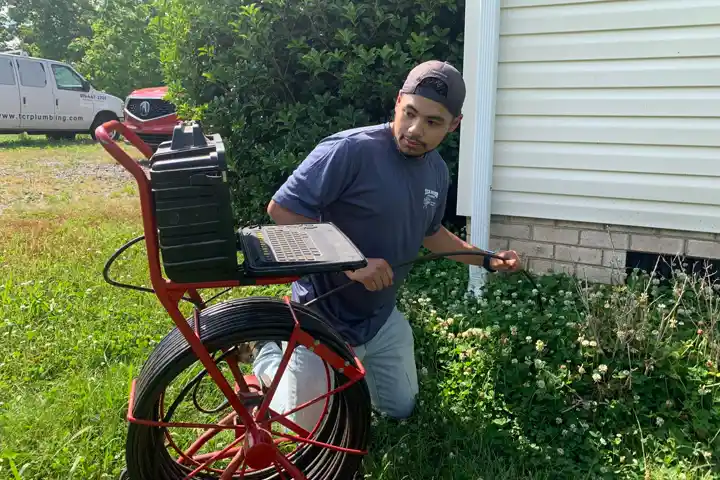
A small waterproof camera travels through the pipe. It sends live video back to our technician. As a result, we see exactly what is wrong.

For example, we can spot roots, cracks, or grease buildup. Then we pinpoint the location and depth. This step prevents unnecessary digging.

Hydro Jetting

Hydro jetting uses high-pressure water to clean pipes. It blasts away grease, roots, and debris. Moreover, it scours the pipe walls clean.

Unlike a basic snake, jetting clears the full line. Therefore, results last longer. We use it often for homes and businesses across Apex and Fuquay-Varina.

Protecting Your Drains in the Triangle

Prevention is easier than repair. A few simple habits go a long way. Therefore, build these into your routine.

First, never pour grease down the drain. Next, toss food scraps in the trash or compost. Then, use drain strainers to catch hair and debris.

Smart Drain Habits

  • Flush only toilet paper and human waste.
  • Run hot water after using the kitchen sink.
  • Avoid harsh chemicals that damage older pipes.
  • Schedule inspections if you have mature trees nearby.

In addition, consider periodic professional drain cleaning. This is wise for older homes in Raleigh and Cary. As a result, you catch small problems before they grow.

When to Call a Pro

Some signs demand quick professional help. For instance, sewage backups need immediate attention. Likewise, multiple drains backing up at once cannot wait.

If you notice these issues, do not delay. Contact the TCR Plumbing team to discuss your plumbing issue right away. Our technicians serve homes and businesses across the Triangle.

Frequently Asked Questions

Why are all my drains clogged at the same time?

Usually, a main sewer line blockage is to blame. All your drains connect to that line. Therefore, one deep clog affects many fixtures at once.

Can I fix multiple clogged drains myself?

Often, you cannot. Main line clogs sit deep underground. As a result, they need professional tools like cameras and hydro jetting equipment.

How do I know if tree roots caused the clog?

Roots are common in older Triangle neighborhoods. A camera inspection confirms it. Then we can clear the roots and protect the line.

Is a sewage backup an emergency?

Yes, it is. Sewage backups create health and safety risks. Therefore, call for emergency service right away.

How often should I clean my main drain line?

It depends on your home and trees nearby. Generally, older homes benefit from periodic cleaning. Our team can recommend a schedule for you.

Get Help With Multiple Clogged Drains Today

Multiple clogged drains rarely fix themselves. In most cases, they point to a deeper main line issue. Therefore, fast action saves money and stress.

TCR Plumbing has served the Raleigh Triangle since 1993. We bring over 30 years of experience to every job. Moreover, we are licensed, bonded, and insured with an A+ BBB rating.

We offer 24/7 emergency service across Raleigh, Apex, Wake Forest, Durham, and beyond. So if your drains are backing up, do not wait. Schedule service with our background-checked, professional team today.

Categories Plumbing

Bathroom Drain Cleaning Tips Every Raleigh Homeowner Should Know

A slow sink or sluggish shower can ruin your morning fast. Most homeowners deal with clogs at the worst possible time. Fortunately, smart bathroom drain cleaning habits can prevent many of these headaches before they start.

At TCR Plumbing, we help families across the Raleigh Triangle keep their drains flowing freely. We see the same backups again and again. Because of this, we know which simple steps actually work.

This guide shares practical tips you can use today. In addition, it explains when a clog needs a professional. Let’s keep your bathroom drains clean and clear.

Why Bathroom Drains Clog So Often

Bathroom drains face a tough job every single day. They handle hair, soap, toothpaste, and more. As a result, buildup happens faster than many people expect.

Hair is the number one culprit in most homes. It tangles around small obstructions and traps everything else. Then soap scum hardens around it and slows the flow.

Hard Water in the Triangle

Many homes in Raleigh, Cary, and Apex deal with hard water. Hard water leaves mineral deposits inside your pipes. Over time, these deposits narrow the pipe and reduce drainage.

Moreover, hard water makes soap scum stick more easily. Therefore, regular cleaning matters even more in these areas. A little prevention goes a long way.

Simple Daily Habits That Prevent Clogs

Good habits keep your drains healthy with almost no effort. First, focus on what goes down the drain. Small changes add up over time.

  • Use a drain screen in every sink, tub, and shower.
  • Wipe excess hair from your brush into the trash.
  • Avoid pouring thick lotions or oils down the sink.
  • Rinse drains with hot water after shaving or washing.

These steps cost almost nothing. However, they stop most clogs before they form. Additionally, they protect your pipes from long-term damage.

Catch Hair Before It Becomes a Problem

Hair causes the majority of shower clogs. A cheap mesh screen traps it instantly. Then you simply empty the screen into the trash.

Clean the screen weekly for the best results. As a result, you will rarely see a slow drain. This one habit prevents many service calls.

Safe DIY Bathroom Drain Cleaning Methods

You can handle minor clogs on your own. Still, you should always start gently. Harsh methods can damage older pipes.

Try Hot Water First

Hot water loosens soap and grease buildup. Pour a kettle of hot water slowly down the drain. Then wait a few minutes and repeat if needed.

This method works well for early slow drains. However, never use boiling water on PVC pipes. Hot tap water is usually safe enough.

Baking Soda and Vinegar

This classic combo offers a gentle, natural option. First, pour baking soda into the drain. Next, add vinegar and let it fizz.

Wait about fifteen minutes before rinsing. Then flush the drain with hot water. Because this method is mild, it suits regular maintenance.

Use a Drain Snake or Hook

A small plastic drain hook pulls out hair clogs. Push it down the drain and twist gently. Then slowly pull the clog free.

This simple tool clears many shower backups. Moreover, it costs only a few dollars. Keep one handy for quick fixes.

Why You Should Avoid Chemical Drain Cleaners

Many homeowners reach for liquid drain cleaners first. Unfortunately, these products often cause more harm than good. The chemicals can corrode pipes over time.

Furthermore, they rarely solve the real problem. The clog may return within days. Meanwhile, the chemicals sit in your pipes and weaken them.

The Environmental Protection Agency offers helpful guidance on choosing safer cleaning products for your home. Safer choices protect both your plumbing and the environment. As a result, you avoid costly repairs down the road.

What to Use Instead

Stick to mechanical tools and gentle methods. A plunger, drain snake, or hot water works better. In addition, these options are far safer for your pipes.

For stubborn clogs, call a professional plumber. We use proven tools that clear clogs without damage. Therefore, the fix lasts much longer.

Signs Your Drain Needs Professional Help

Some clogs go beyond simple DIY fixes. Knowing the warning signs saves you stress. Pay attention to how your drains behave.

  • Multiple drains backing up at the same time.
  • Gurgling sounds coming from the drain or toilet.
  • Foul odors rising from the sink or tub.
  • Slow drainage that returns soon after cleaning.

These symptoms often point to deeper problems. For example, a main line clog affects several fixtures. Because of this, professional tools become necessary.

When Hydro Jetting Helps

Sometimes buildup coats the inside of your pipes. Hydro jetting blasts away years of grime with water. As a result, your pipes flow like new again.

We also use in-line camera inspection to find hidden issues. This lets us see the exact problem clearly. Then we recommend the right solution with confidence.

Bathroom Drain Care for Triangle Businesses

Commercial bathrooms handle heavy daily traffic. Therefore, they clog more often than home drains. Regular maintenance keeps your business running smoothly.

Restaurants, offices, and shops across Wake Forest and Durham benefit from a schedule. Routine drain cleaning prevents surprise backups. Meanwhile, it protects your reputation with customers.

We work with property managers throughout the Triangle. Our team handles both small repairs and large systems. Explore your options with the TCR Plumbing team to build a maintenance plan that fits.

How Often Should You Clean Bathroom Drains?

Regular cleaning prevents most major clogs. A monthly rinse with hot water helps a lot. In addition, a deeper cleaning every few months keeps things clear.

Homes with long hair or hard water need more attention. Communities like Fuquay-Varina and Zebulon often see mineral buildup. Therefore, those homeowners may want quarterly professional cleaning.

Build a Simple Routine

Set a reminder to clean your drain screens weekly. Then flush each drain with hot water monthly. Finally, schedule a yearly inspection for peace of mind.

This routine takes very little time. However, it saves you from major emergencies. Consistency is the real secret to clean drains.

Frequently Asked Questions

Can I use a plunger on a bathroom sink?

Yes, a small cup plunger works well on sinks. First, cover the overflow hole with a wet rag. Then plunge firmly several times to clear the clog.

Is baking soda and vinegar safe for all pipes?

This gentle method is safe for most modern pipes. However, it works best on minor buildup. For tough clogs, call a professional instead.

Why does my drain smell bad?

Odors often come from trapped hair and bacteria. A thorough cleaning usually solves it. If the smell returns, you may have a venting issue.

Should I avoid chemical drain cleaners completely?

We strongly recommend avoiding them. These products can damage pipes over time. Instead, choose mechanical tools or call a licensed plumber.

How do I know if the clog is in the main line?

Watch for several drains backing up at once. Gurgling toilets are another clear warning sign. In that case, you need professional help quickly.

Trust TCR Plumbing for Clean, Clear Drains

Bathroom drain problems never wait for a convenient time. Fortunately, TCR Plumbing serves the entire Raleigh Triangle with fast, friendly help. We have helped local families and businesses since 1993.

Our team is licensed, bonded, and insured with an A+ BBB rating. Moreover, we back all work with a 100% guarantee. We even offer 24/7 emergency service for serious clogs.

Do not let a slow drain turn into a big mess. Contact the TCR Plumbing team to discuss your plumbing issue today. We are ready to keep your drains flowing across Raleigh, Apex, Cary, and beyond.

Categories Plumbing

Kitchen Drain Clogs: Causes and Solutions

A kitchen drain clog can stop your whole day. One minute you’re rinsing dishes, and the next you’re staring at standing water. Therefore, knowing what causes these clogs helps you act fast.

At TCR Plumbing, we help homeowners across the Raleigh Triangle solve drain problems every day. Because of this, we know what works and what makes things worse.

In this guide, we explain the common causes of a kitchen drain clog. Additionally, we share simple solutions you can try at home. Finally, we show you when to call a licensed plumber.

What Causes a Kitchen Drain Clog?

Most kitchen clogs build up slowly over time. As a result, you may not notice a problem until water drains slowly. Then one day, it stops draining at all.

Several everyday habits lead to blocked drains. However, the good news is that most causes are easy to understand.

Grease and Cooking Oil

Grease is the number one cause of kitchen clogs. It looks like a liquid when hot, but it hardens as it cools.

Because of this, grease coats the inside of your pipes. Over time, it traps food and forms a thick blockage. Therefore, never pour grease down the drain.

Instead, pour cooled grease into a container. Then throw it in the trash. This simple habit protects your pipes for years.

Food Scraps and Coffee Grounds

Food waste also builds up fast. Coffee grounds, eggshells, and pasta are common troublemakers. Moreover, fibrous foods like celery can wrap around disposal blades.

Starchy foods swell when wet. As a result, they form sticky clumps inside your pipes. Therefore, scrape plates into the trash before rinsing.

Soap Scum and Mineral Buildup

Many Triangle homes have hard water. Hard water leaves mineral deposits inside pipes. Meanwhile, soap residue clings to those minerals.

Over time, this combination narrows your pipes. Therefore, water drains slower and slower. Eventually, you face a full blockage.

Signs of a Developing Drain Problem

Clogs rarely happen overnight. Instead, they give warning signs first. For example, you might notice slow water in the sink.

Watch for these early symptoms:

  • Slow draining water after washing dishes
  • Gurgling sounds from the drain or pipes
  • Foul odors coming from the sink
  • Standing water that lingers too long
  • Backups in a connected sink or dishwasher

If you spot these signs, act quickly. Because of this, you can avoid a messy backup later. Additionally, early action saves you money on repairs.

Simple Solutions You Can Try at Home

Some clogs respond to easy home methods. However, always start with the gentlest option first. Harsh methods can damage older pipes.

Try Boiling Water First

Boiling water often breaks up grease and soap. First, boil a kettle of water. Then pour it slowly down the drain in stages.

This method works best for minor clogs. However, skip it if you have PVC pipes that may warp. On the other hand, metal pipes handle hot water well.

Use Baking Soda and Vinegar

Baking soda and vinegar make a natural cleaner. First, pour baking soda down the drain. Next, add white vinegar and cover the opening.

The mixture fizzes and loosens buildup. After ten minutes, flush with hot water. As a result, light clogs often clear right away.

Plunge the Sink

A sink plunger creates strong suction. First, fill the sink with a few inches of water. Then plunge firmly several times.

This pressure can dislodge a stuck blockage. However, avoid plunging after using chemical drain cleaners. Those chemicals can splash and cause burns.

Check the P-Trap

The P-trap is the curved pipe under your sink. Food and grease often collect there. Therefore, cleaning it can fix many clogs.

Place a bucket below the trap first. Then unscrew the connections and clean it out. Finally, reattach the trap and run water to test it.

Why You Should Avoid Chemical Drain Cleaners

Many homeowners reach for chemical drain cleaners. However, these products often cause more harm than good. The harsh chemicals can corrode your pipes over time.

Moreover, they rarely solve the root problem. According to the EPA’s Safer Choice program, gentler cleaning methods protect both your pipes and your home. Therefore, mechanical methods are often a safer choice.

In addition, chemical fumes can be dangerous in small spaces. As a result, we recommend professional drain cleaning instead. A trained plumber clears clogs without damaging your plumbing.

When to Call a Professional Plumber

Some clogs simply need expert help. For example, a deep blockage may sit far down the line. Therefore, home methods often fail to reach it.

Call a plumber if your clog keeps coming back. Recurring clogs often point to a bigger issue. Meanwhile, multiple slow drains may signal a main line problem.

Professional Drain Cleaning Tools

Plumbers use specialized equipment to clear tough clogs. A drain snake reaches deep into the pipe. Meanwhile, hydro jetting blasts away grease with high-pressure water.

We also use in-line camera inspection at TCR Plumbing. This camera shows the exact cause of a clog. As a result, we fix the real problem the first time.

Serving the Raleigh Triangle

Our team serves homes and businesses across the region. We work in Raleigh, Apex, Cary, Wake Forest, and Fuquay-Varina. Additionally, we cover Durham and nearby communities.

Family-owned since 1993, we bring over 30 years of experience. Therefore, no clog is too tough for our crew. We are licensed, bonded, and insured for your peace of mind.

Need help with a stubborn drain? Contact the TCR Plumbing team to discuss your plumbing issue today.

How to Prevent Future Kitchen Drain Clogs

Prevention is easier than repair. Therefore, a few simple habits go a long way. First, never pour grease down the sink.

Next, use a drain strainer to catch food scraps. Also, run hot water after each use. These small steps protect your pipes for years.

Follow these preventive tips:

  • Scrape plates into the trash before rinsing
  • Avoid putting coffee grounds in the drain
  • Flush drains weekly with hot water
  • Limit disposal use for fibrous foods
  • Schedule routine drain cleaning once a year

Routine maintenance keeps your kitchen running smoothly. Moreover, it helps you avoid costly emergencies. As a result, you save money and stress over time.

Frequently Asked Questions

Why does my kitchen sink keep clogging?

Recurring clogs often point to grease buildup. However, they can also signal a deeper line problem. Therefore, a professional inspection finds the true cause.

Can I use a chemical cleaner on my kitchen drain?

We do not recommend chemical cleaners. They can corrode pipes and rarely fix the root issue. Instead, try mechanical methods or call a plumber.

How often should I clean my kitchen drains?

Flush your drains weekly with hot water. Additionally, schedule professional cleaning once a year. As a result, you prevent most future clogs.

Is hydro jetting safe for my pipes?

Yes, hydro jetting is safe for most healthy pipes. However, a camera inspection confirms it first. Therefore, our team checks your pipes before starting.

When is a kitchen clog an emergency?

Call right away if water backs up into the home. Multiple clogged drains also signal an urgent problem. Meanwhile, foul odors may point to a sewer issue.

Get Help With Your Kitchen Drain Clog Today

A kitchen drain clog does not have to ruin your day. With the right help, your sink drains freely again. Moreover, our team treats every customer with fairness and respect.

We back all our work with a 100% guarantee. Additionally, we offer 24/7 emergency service across the Triangle. Therefore, you can reach us whenever you need help.

Ready to clear that stubborn drain? Schedule service with TCR Plumbing today. Our experienced, background-checked technicians are ready to help in Raleigh, Apex, and beyond.

Categories Plumbing

Why Slow Drains Should Never Be Ignored

A slow drain seems harmless at first. The water just takes a little longer to disappear. However, that small annoyance often signals a bigger problem hiding in your pipes.

At TCR Plumbing, we have seen countless slow-drain solutions turn into emergency repairs. Homeowners across the Raleigh Triangle wait too long, and the damage grows. Therefore, acting early saves you money and stress.

This guide explains why slow drains matter. Moreover, it shows you what to do before a clog becomes a crisis.

What a Slow Drain Really Means

A slow drain rarely fixes itself. In fact, it usually gets worse over time. The buildup inside your pipes keeps growing day after day.

Water that drains slowly points to a blockage. Sometimes the clog sits near the drain opening. Other times, it hides deep within your sewer line.

Common Causes of Slow Drains

Several culprits create slow drainage. For example, grease and food scraps clog kitchen sinks. Meanwhile, hair and soap scum block bathroom drains.

  • Grease and oil that harden inside pipes
  • Hair and soap buildup in tubs and showers
  • Tree roots invading underground sewer lines
  • Mineral deposits from hard water
  • Foreign objects flushed by accident

Each cause needs a different fix. Therefore, identifying the source matters before you treat the symptom.

Why Raleigh Triangle Homes Face Drain Problems

Our region presents unique challenges. Many older homes in Raleigh and Durham have aging pipes. As a result, these systems clog more easily.

Tree roots create another big issue here. The Triangle has plenty of mature trees. Their roots seek water, and your sewer line offers it.

Hard Water in North Carolina

Some Triangle communities deal with hard water. This water carries extra minerals. Over time, those minerals coat the inside of your pipes.

Homes in Apex, Cary, and Wake Forest often see this buildup. Consequently, drains narrow and slow down. Regular maintenance keeps these pipes clear.

The Risks of Ignoring Slow Drains

Ignoring the problem invites bigger trouble. A small clog today becomes a total blockage tomorrow. Then the real damage begins.

First, standing water breeds bacteria and odors. Next, pressure builds inside your pipes. Finally, a backup can flood your home or business.

Health and Property Hazards

Sewage backups pose serious health risks. They expose your family to harmful bacteria. Additionally, contaminated water damages floors and walls.

According to the Environmental Protection Agency guidance on septic and wastewater systems, untreated drainage issues can threaten both health and the environment. Therefore, prompt action protects more than your plumbing.

Hidden Costs Add Up

A neglected drain leads to costly repairs. For example, a simple cleaning costs far less than pipe replacement. Furthermore, water damage repairs strain any budget.

Businesses face extra losses too. A backed-up drain can close a restaurant for the day. As a result, ignored drains hurt your bottom line.

Smart Slow-Drain Solutions for Homeowners

You can take steps before calling a pro. These slow-drain solutions help in many cases. However, persistent problems need expert attention.

Try These Simple First Steps

  • Hot water flush: Pour boiling water down kitchen drains weekly
  • Baking soda and vinegar: A natural, gentle cleaner for minor clogs
  • Plunger: Works well on isolated sink or tub blockages
  • Drain strainer: Catches hair and debris before they enter pipes

These tips handle small issues. Meanwhile, they prevent many future clogs. Still, harsh chemical cleaners often cause more harm.

Why Avoid Chemical Drain Cleaners

Store-bought chemicals seem convenient. However, they can corrode your pipes over time. Older pipes suffer the most damage.

These products also fail on deep clogs. Instead, they sit in your pipes and create new hazards. Therefore, professional cleaning offers a safer choice.

How Professionals Clear Slow Drains

Licensed plumbers use proven methods. Our team brings the right tools for every job. As a result, we fix the root cause, not just the symptom.

In-Line Camera Inspection

We start by finding the problem. A small camera travels through your pipes. Then we see exactly what causes the slowdown.

This step removes the guesswork. Moreover, it shows us cracks, roots, or buildup. Consequently, we recommend the right repair the first time.

Hydro Jetting

Hydro jetting blasts away tough buildup. High-pressure water scours your pipe walls clean. This method tackles grease, roots, and scale.

Many Triangle businesses rely on this service. For example, restaurants in Cary and Fuquay-Varina benefit from regular jetting. As a result, their drains stay clear for longer.

Snaking and Augers

Sometimes a drain snake does the trick. This tool breaks through stubborn clogs. Then water flows freely again.

Our technicians choose the best approach. They consider your pipe type and the clog location. Therefore, you get an effective, lasting fix.

When to Call a Plumber Right Away

Some signs demand fast action. Do not wait when these symptoms appear. Otherwise, the problem will only grow.

  • Multiple drains slow down at once
  • Gurgling sounds come from your pipes
  • Foul odors rise from drains
  • Water backs up into other fixtures
  • Your toilet bubbles when you run the sink

These warning signs often point to a sewer line issue. Because of this, professional help becomes essential. We offer 24/7 emergency service across the Triangle.

Serving the Entire Raleigh Triangle

TCR Plumbing has served this area since 1993. We work in Raleigh, Apex, Wake Forest, and Durham. Additionally, we cover Zebulon, Cary, and Fuquay-Varina.

Our family-owned company treats every customer fairly. We are licensed, bonded, and insured with an A+ BBB rating. Contact the TCR Plumbing team to discuss your slow-drain concern today.

Preventing Slow Drains for Good

Prevention beats repair every time. Simple habits keep your drains flowing. Moreover, they extend the life of your plumbing.

Daily and Weekly Habits

  • Never pour grease down the sink
  • Use drain covers in every sink and tub
  • Run hot water after each use
  • Flush only toilet paper and waste
  • Avoid rinsing coffee grounds or eggshells

These steps cost nothing. However, they prevent expensive clogs. As a result, your drains serve you for years.

Schedule Routine Maintenance

Annual drain cleaning makes a real difference. A professional inspection catches small problems early. Therefore, you avoid surprise emergencies.

Many Triangle homeowners schedule yearly checkups. Meanwhile, businesses often need more frequent service. Either way, regular care pays off.

Frequently Asked Questions About Slow Drains

How urgent is a single slow drain?

One slow drain usually points to a local clog. However, you should still address it soon. Otherwise, it can worsen quickly.

Can I fix a slow drain myself?

Minor clogs often respond to a plunger or hot water. Still, recurring problems need professional tools. Therefore, call a plumber if the issue returns.

Are chemical drain cleaners safe?

We generally advise against them. These products can damage pipes over time. Instead, choose gentle methods or professional cleaning.

How often should I clean my drains?

Most homes benefit from yearly cleaning. Busy households and businesses may need more frequent service. A plumber can recommend the right schedule.

What if multiple drains slow down at once?

This often signals a main sewer line clog. Do not delay in this case. Instead, call for professional help right away.

Protect Your Home With TCR Plumbing

Slow drains never improve on their own. The smart move is to act early. Therefore, prompt attention saves you time, money, and stress.

Our experienced team delivers reliable slow-drain solutions across the Triangle. We back every job with a 100% guarantee. Furthermore, our technicians are background-checked and drug-tested.

Do not let a slow drain become a costly emergency. Schedule service with TCR Plumbing today. Our family-owned company is ready to help you in Raleigh, Apex, Durham, and beyond.

Categories Plumbing

How to Prevent Future Drain Clogs in Your Raleigh Triangle Home

Clogged drains rank among the most common headaches for homeowners. Fortunately, you can prevent drain clogs with a few smart daily habits. A little prevention saves you time, money, and stress.

At TCR Plumbing, we serve families and businesses across the Raleigh Triangle. We see the same drain problems again and again. Therefore, we want to share simple ways to keep your pipes flowing freely.

Below, you will find practical tips you can start using today. Moreover, you will learn when to call a professional. Let us help you protect your plumbing system for the long haul.

Why Drains Clog in the First Place

Drains rarely clog overnight. Instead, debris builds up slowly over weeks or months. As a result, water drains slower until it stops completely.

Most clogs come from everyday materials. For example, grease, hair, food scraps, and soap scum all stick to pipe walls. Over time, these layers narrow your pipes.

Common Culprits Behind Clogged Drains

  • Grease and oils that harden inside pipes
  • Hair that tangles around drain openings
  • Food scraps that should never enter the sink
  • Soap scum that coats interior pipe walls
  • Foreign objects like wipes and paper towels

Knowing these causes helps you avoid them. Additionally, awareness makes prevention much easier.

Kitchen Habits That Prevent Drain Clogs

Your kitchen sink takes a daily beating. Therefore, smart habits here make a big difference. First, never pour grease down the drain.

Instead, let grease cool in a container. Then toss it in the trash. This single habit prevents many stubborn kitchen clogs.

Use Your Garbage Disposal Wisely

A disposal handles soft scraps well. However, it cannot grind everything. Avoid fibrous foods like celery, potato peels, and coffee grounds.

Also, run cold water while the disposal works. Cold water keeps fats solid so they move through. Meanwhile, hot water melts grease and lets it stick downstream.

Scrape Plates Before Washing

Scrape leftover food into the trash or compost. Next, rinse dishes with the strainer in place. This simple step catches scraps before they enter your pipes.

Many homeowners in Cary and Apex skip this step. As a result, they call us for avoidable clogs. A few seconds of scraping saves a costly visit.

Bathroom Tips to Keep Drains Clear

Bathroom drains face hair and soap every day. Because of this, they clog often. Fortunately, prevention is straightforward.

Install a mesh drain screen in every shower and tub. These inexpensive screens catch hair before it enters the pipe. Then you simply clean the screen and toss the hair.

Be Careful What You Flush

Toilets handle only human waste and toilet paper. However, many products claim to be flushable. In reality, wipes, cotton swabs, and floss cause serious blockages.

For example, “flushable” wipes do not break down quickly. As a result, they snag inside pipes and build up fast. Always toss these items in the trash instead.

Watch Soap and Hair Together

Soap scum and hair form a sticky mess. Together, they create tough clogs deep in your pipes. Therefore, cleaning your drain screens weekly really matters.

Smart Maintenance for Long-Term Protection

Prevention works best when it becomes routine. Additionally, regular maintenance catches small issues early. A few habits each month keep your system healthy.

Flush Drains With Hot Water

Once a week, run hot water down each drain. This rinse helps move buildup along. For kitchen sinks, add a little dish soap first.

Some homeowners pour boiling water down slow drains. However, avoid this with PVC pipes. Boiling water can soften plastic joints and cause leaks.

Try Natural Cleaning Methods

Harsh chemical cleaners can damage pipes over time. Instead, try a gentler approach. First, pour baking soda down the drain.

Next, add white vinegar and let it fizz. Then flush with warm water after several minutes. According to the EPA Safer Choice program, gentler cleaning options reduce harmful chemical exposure in your home.

Schedule Professional Drain Cleaning

Even careful homeowners benefit from professional help. Periodic drain cleaning removes buildup you cannot reach. Furthermore, it keeps your whole system running smoothly.

Our team uses tools like hydro jetting and camera inspection. These methods clear pipes and reveal hidden problems. Contact the TCR Plumbing team to discuss your plumbing issue and schedule a checkup.

Protecting Sewer and Outdoor Lines

Indoor habits matter, yet outdoor lines need care too. In older Raleigh and Durham neighborhoods, tree roots threaten sewer pipes. Roots seek moisture and invade tiny cracks.

As a result, roots cause slow drains throughout your home. Additionally, they can lead to backups and damage. A camera inspection finds these issues early.

Watch for Warning Signs

  • Multiple slow drains at the same time
  • Gurgling sounds from toilets or sinks
  • Sewer odors near drains or in the yard
  • Water backing up in tubs or floor drains

These signs often point to a main line problem. Therefore, act quickly to avoid bigger damage. Early action protects your home and budget.

Mind Your Landscaping

Plant large trees away from sewer lines. Meanwhile, ask a plumber where your lines run. This knowledge helps you plant safely.

Homeowners in Wake Forest and Fuquay-Varina often face root intrusion. Because of this, regular inspections pay off. Prevention beats emergency repairs every time.

Habits for Businesses and Commercial Properties

Commercial drains face heavier use. Therefore, prevention matters even more for businesses. Restaurants, salons, and offices each face unique challenges.

Restaurants should install and maintain grease traps. Additionally, staff training keeps habits consistent. Salons benefit from hair screens and frequent cleaning.

Build a Maintenance Schedule

Set a regular drain cleaning schedule for your property. As a result, you avoid surprise shutdowns. Downtime costs far more than routine maintenance.

Our commercial team serves businesses across the Triangle. Explore your options with a customized maintenance plan. We help keep your operation running smoothly.

Frequently Asked Questions

How often should I clean my drains?

Clean drain screens weekly and flush with hot water often. Additionally, schedule professional drain cleaning every year or two. Heavy-use homes may need it more often.

Are chemical drain cleaners safe to use?

Chemical cleaners can corrode pipes over time. Therefore, use them sparingly, if at all. Natural methods and professional cleaning are safer choices.

What should I never put down my drain?

Never pour grease, oils, or coffee grounds down drains. Also, avoid wipes, paper towels, and fibrous foods. These items cause the worst clogs.

Why does my drain keep clogging?

Repeat clogs often mean a deeper problem. For example, tree roots or buildup in the main line. A camera inspection finds the true cause.

When should I call a professional plumber?

Call a pro when clogs return often or affect several drains. Additionally, call right away for backups or sewer odors. Quick action prevents costly damage.

Keep Your Drains Flowing With TCR Plumbing

Simple habits truly help you prevent drain clogs for years. However, even careful homeowners need expert help sometimes. That is where our team comes in.

TCR Plumbing is a family-owned company founded in 1993. We bring over 30 years of experience to every job. Furthermore, we are licensed, bonded, and insured with an A+ BBB rating.

We serve Raleigh, Apex, Cary, Wake Forest, Durham, and beyond. Additionally, we offer 24/7 emergency service when you need it most. Our background-checked technicians back all work with a 100% guarantee.

Ready to protect your pipes? Schedule service with our friendly team today. Let us help keep your drains clear and your home worry-free.

Thank You For Contacting Us!

We’ve received your contact form and will reach out to you shortly.  If you need immediate assistance please give us a call at (919) 467-2207.

Your satisfaction is our family’s priority!

If we’ve met or exceeded your expectations, please take a moment to share your experience with a review on our Google Business pages. Please click on the location for your service and you will be redirected to write a Google Review.