Categories Plumbing

Common Places Plumbing Leaks Occur in Your Home

Water leaks rarely announce themselves. Instead, they hide behind walls, under floors, and inside cabinets for weeks. Knowing the most common plumbing leak locations helps you catch trouble early and avoid costly damage.

At TCR Plumbing, we have inspected thousands of homes across the Raleigh Triangle. As a result, we know exactly where leaks tend to start. In this guide, we share the spots homeowners should watch closely.

Therefore, let’s walk through each problem area. Then we’ll cover warning signs, prevention tips, and answers to common questions.

Why Finding Plumbing Leaks Early Matters

Small leaks waste water every single day. Over time, they also raise your utility bills. Because of this, early detection saves you money.

Moreover, hidden moisture invites mold and rot. North Carolina humidity makes this risk even worse. As a result, a tiny drip can turn into major structural damage.

Homes in Raleigh, Apex, and Cary range from new builds to older properties. However, leaks affect every age and style of home. Therefore, staying alert pays off no matter where you live.

The Most Common Plumbing Leak Locations

Leaks follow patterns we see again and again. Below, we break down the usual suspects. First, let’s start with the kitchen and bathrooms.

Under Kitchen and Bathroom Sinks

The cabinet under your sink hides many connections. For example, supply lines, drain traps, and shutoff valves all live there. Over time, these joints loosen and seep.

Check for water stains on the cabinet floor. Also, feel the pipes for dampness. Additionally, watch for a musty smell, which often signals slow leaks.

Toilets and Their Hidden Connections

Toilets leak in several sneaky ways. The wax ring at the base can fail. Meanwhile, the flapper inside the tank may let water escape silently.

A running toilet wastes gallons fast. Therefore, listen for water that never stops. Also, look for pooling near the base or a wobbly bowl.

Showers, Tubs, and Faucets

Worn faucet washers cause those annoying drips. However, shower leaks often hide behind tile. As a result, you may not notice them until damage appears.

Watch for loose grout, cracked caulk, or soft drywall. Additionally, peeling paint near a shower suggests trapped moisture. These clues point to a leak behind the wall.

Leaks You Cannot Easily See

Some leaks stay completely hidden. These cause the most damage because they go unnoticed. Next, let’s explore these tricky spots.

Inside Walls and Ceilings

Pipes run through your walls and floors. When they fail, water spreads silently. Therefore, brown stains on ceilings often reveal a leak above.

Bubbling paint and warped trim also signal trouble. Furthermore, a sudden spike in your water bill points to a hidden source. Our technicians use specialized tools to locate these leaks without tearing up walls.

Slab and Foundation Leaks

Many Triangle homes sit on concrete slabs. Pipes beneath the slab can crack or corrode. As a result, water collects under the foundation.

Warm spots on the floor often hint at a hot water line leak. Additionally, you may hear running water with all fixtures off. These signs deserve fast attention from a licensed plumber.

Water Heaters

Water heaters wear out over time. The tank, valves, and connections all leak eventually. Meanwhile, sediment buildup can speed up tank failure.

Look for puddles around the base of the unit. Also, check for rust on the tank and fittings. If you spot moisture, schedule an inspection right away.

Outdoor and Underground Leak Locations

Leaks happen outside your home too. These often escape notice for months. However, they waste water and damage your yard.

Main Water and Sewer Lines

Your main water line feeds your entire home. When it leaks underground, you may see wet patches in the yard. Additionally, you might notice low water pressure throughout the house.

Sewer line leaks bring foul odors and soggy soil. Furthermore, tree roots often invade older lines in established neighborhoods. Communities in Wake Forest and Durham see this frequently with mature trees.

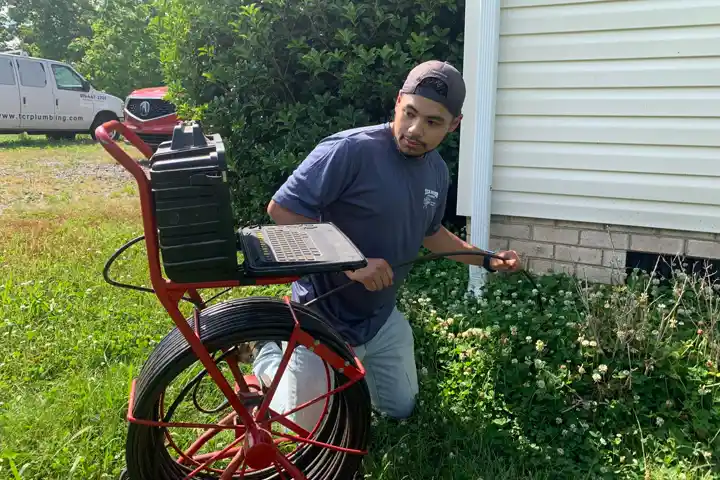
For these issues, we use in-line camera inspection to find the exact spot. Therefore, repairs stay targeted and less disruptive.

Outdoor Faucets and Sprinkler Systems

Hose bibs and spigots crack during cold snaps. North Carolina winters bring occasional hard freezes. As a result, outdoor faucets can split and leak in spring.

Irrigation systems also develop hidden leaks. For example, a broken sprinkler valve wastes water underground. Watch for unusually green or soggy lawn areas.

Polybutylene Pipes: A Common Triangle Concern

Many homes built between the late 1970s and mid-1990s used polybutylene pipes. These gray plastic pipes fail without warning. Therefore, they remain a frequent source of leaks.

This material grows brittle over time. As a result, joints crack and tiny leaks form. If your home has these pipes, consider a professional evaluation.

We help homeowners across the Triangle replace failing polybutylene systems. Moreover, we explain your options clearly before any work begins.

Warning Signs of a Hidden Plumbing Leak

Your home gives clues when a leak hides nearby. Watch for these red flags. Then act quickly to limit damage.

  • Higher water bills with no change in usage
  • Musty or moldy smells in cabinets or rooms
  • Stains on walls, ceilings, or floors
  • Low water pressure throughout the home
  • The sound of running water when everything is off
  • Warm or damp spots on the floor

If you notice any of these, do not wait. Instead, contact the TCR Plumbing team to discuss your plumbing issue. Early action protects your home and your wallet.

How to Check for Leaks at Home

You can spot many leaks yourself. First, try a simple meter test. Turn off all water and watch your meter for 30 minutes.

If the meter moves, you likely have a leak. Next, add a few drops of food coloring to your toilet tank. If color appears in the bowl, the flapper leaks.

The EPA WaterSense leak detection guide offers more easy home checks. However, hidden leaks need professional tools. Therefore, call us when you cannot find the source yourself.

How TCR Plumbing Finds and Fixes Leaks

We bring over 30 years of experience to every job. Founded in 1993 by Terry Ault, our family-owned team serves the entire Triangle. Additionally, we offer 24/7 emergency service for urgent leaks.

Our licensed technicians use electronic detection and camera inspection. As a result, we pinpoint leaks without unnecessary damage. Furthermore, we back all work with a 100% guarantee.

We are licensed, bonded, and insured with an A+ BBB rating. Moreover, every technician is background-checked and drug-tested. Therefore, you can trust the crew that arrives at your door.

Tips to Prevent Plumbing Leaks

Prevention beats repair every time. A few habits keep your system healthy. Next, try these simple steps.

  • Inspect under sinks every few months
  • Replace worn faucet washers promptly
  • Insulate outdoor pipes before winter
  • Flush your water heater yearly to clear sediment
  • Watch your water bill for sudden jumps
  • Schedule routine plumbing inspections

These steps catch problems early. Therefore, you avoid emergencies and big repair bills. To learn more, schedule service with our team today.

Frequently Asked Questions

How do I know if I have a hidden leak?

Watch for rising water bills and musty smells. Additionally, stains and the sound of running water signal trouble. A meter test confirms many hidden leaks.

Are slab leaks common in the Raleigh Triangle?

Yes, many local homes sit on concrete slabs. As a result, pipes beneath them can crack or corrode. Warm floor spots often reveal these leaks.

Can I fix a plumbing leak myself?

You can handle minor drips like a worn washer. However, hidden or slab leaks need professional tools. Therefore, call a licensed plumber for those jobs.

What should I do during a leak emergency?

First, shut off your main water valve. Then call for emergency service right away. Meanwhile, move valuables away from the water.

How often should I inspect my plumbing?

Check visible pipes every few months. Additionally, schedule a professional inspection yearly. This routine catches small issues before they grow.

Protect Your Home From Hidden Leaks

Leaks hide in many places, from sinks to slabs to sewer lines. However, early detection keeps damage small. Therefore, knowing these common spots gives you a real advantage.

If you suspect a leak, do not wait for it to spread. Our team serves Raleigh, Apex, Cary, Wake Forest, and Fuquay-Varina with fast, reliable help. Moreover, we treat every customer with fairness and respect.

Ready to stop a leak in its tracks? Explore your options with TCR Plumbing today. Contact our team or schedule service, and we’ll protect your home with care.

Categories Plumbing

How Leak Detection Saves Homeowners Money

Water leaks rarely announce themselves with a loud crash. Instead, they hide behind walls, under slabs, and beneath your yard. By the time you notice, the damage may already be costing you.

That is why professional leak detection services matter so much for homeowners across the Raleigh Triangle. A small, hidden leak today can become an expensive repair tomorrow. Early detection protects both your home and your wallet.

At TCR Plumbing, we have helped families and businesses in Raleigh, Apex, and Cary catch leaks before they spiral. In this guide, we explain how smart leak detection saves you real money.

Why Hidden Leaks Cost You More Than You Think

Most people assume a leak only wastes a little water. However, the true cost runs much deeper. Hidden moisture damages structures, raises bills, and invites mold.

Because water finds the path of least resistance, leaks spread fast. As a result, what starts as a drip can soak insulation, drywall, and framing. Therefore, catching it early always pays off.

The Snowball Effect of Small Leaks

A single leak can quietly grow over weeks or months. Meanwhile, your water bill climbs without explanation. Then, structural damage begins to appear.

  • Higher water bills from constant, hidden water flow
  • Wood rot in floors, joists, and wall studs
  • Mold growth that threatens indoor air quality
  • Foundation issues from slab leaks under the home

Each problem on its own is costly. Together, they create a major repair bill. For example, untreated slab leaks can undermine your home’s foundation over time.

How Leak Detection Services Actually Work

Modern leak detection is precise and minimally invasive. Gone are the days of tearing out walls to guess. Instead, our technicians use specialized tools to pinpoint the source.

First, we listen for sound. Pressurized water creates distinct noises inside pipes. Then, we use acoustic equipment to locate it.

The Tools Behind Accurate Detection

Professional plumbers rely on several proven methods. Each one helps narrow down the exact leak location. As a result, repairs stay targeted and affordable.

  • Acoustic sensors that detect the sound of escaping water
  • Thermal imaging to spot temperature changes from moisture
  • In-line camera inspection for sewer and drain lines
  • Pressure testing to confirm where pipes lose integrity

Because these tools are accurate, we avoid unnecessary digging. Therefore, you save on both labor and restoration costs. Homeowners in Wake Forest and Fuquay-Varina appreciate the cleaner approach.

Signs You May Have a Hidden Leak

Your home often warns you before disaster strikes. However, the clues can be subtle. Knowing what to watch for helps you act fast.

First, pay attention to your water bill. A sudden spike with no change in usage is a red flag. Next, listen and look around your home.

Common Warning Signs

  • Unexplained spikes in your monthly water bill
  • Damp spots on walls, ceilings, or floors
  • Musty odors that suggest hidden moisture
  • Low water pressure without a clear cause
  • The sound of running water when fixtures are off

If you notice any of these, do not wait. Instead, schedule an inspection promptly. The U.S. Environmental Protection Agency’s guide to fixing household leaks explains how much water small leaks can waste each year.

How Early Detection Protects Your Budget

Prevention always costs less than emergency repair. Because of this, regular leak checks are a smart investment. They stop small issues from becoming big ones.

Consider the difference. A quick repair on an exposed pipe is simple. On the other hand, a burst slab leak means demolition and rebuilding.

Savings Add Up Over Time

Leak detection saves money in several ways. First, it lowers your water bills immediately. Then, it prevents structural and mold-related expenses.

  • Lower utility costs once the leak is fixed
  • Reduced repair bills by catching problems early
  • Protected property value through a dry, sound home
  • Fewer emergencies and less stress overall

Additionally, early action protects your belongings. Furthermore, it keeps your insurance claims to a minimum. Many Durham and Apex homeowners save significantly by acting fast.

Leak Detection for Older Triangle Homes

The Raleigh Triangle has many established neighborhoods. Some homes still rely on aging pipe materials. Therefore, leak risks increase with time.

Older properties may contain polybutylene piping. This material can fail unexpectedly and cause leaks. As a result, proactive inspection becomes essential.

Why Local Knowledge Matters

Soil conditions and climate affect plumbing here. Because North Carolina sees shifting soils, pipes can stress over time. Moreover, freeze-thaw cycles add pressure during winter.

Our team understands these local factors well. We have served Raleigh, Cary, and Zebulon for over three decades. Therefore, we know what to look for in area homes.

If your home is older, consider a professional review. You can contact the TCR Plumbing team to discuss your plumbing concerns. We will help you build a smart prevention plan.

Leak Detection for Businesses, Too

Commercial properties face the same risks. However, the stakes are often higher. A leak can disrupt operations and damage inventory.

Because businesses use more water, leaks scale quickly. Meanwhile, downtime hurts your bottom line. Therefore, regular detection protects your investment.

Protecting Commercial Spaces

  • Prevent downtime by catching leaks before they spread
  • Control operating costs with lower water usage
  • Maintain safety by reducing slip and mold hazards
  • Protect inventory from unexpected water damage

For commercial clients across the Triangle, we offer flexible service. Additionally, our 24/7 emergency response keeps you covered. As a result, you can focus on running your business.

What to Expect During a Leak Detection Visit

Many homeowners feel unsure about the process. However, it is straightforward and respectful of your home. Here is how a typical visit unfolds.

First, our technician reviews your concerns and symptoms. Next, we inspect the most likely areas. Then, we use our tools to confirm the source.

Clear Steps, No Surprises

  • Initial consultation about your symptoms and history
  • Targeted inspection using acoustic and thermal tools
  • Confirmation of the exact leak location
  • Honest recommendations for the right repair

Because we value fairness, we explain everything clearly. Therefore, you understand your options before any work begins. Finally, we back every job with a 100% guarantee.

Frequently Asked Questions

How do I know if I have a hidden leak?

Watch for rising water bills and damp spots. Also, listen for running water when taps are off. If you notice these signs, schedule an inspection soon.

Is leak detection worth the cost?

Yes, it almost always saves money long term. Because early repairs are simpler, you avoid major damage. Therefore, the investment pays for itself quickly.

Can leaks really damage my foundation?

Absolutely. Slab leaks release water under your home. Over time, this can weaken the foundation and shift the structure.

How often should I check for leaks?

An annual inspection works well for most homes. However, older properties may need more frequent checks. Polybutylene pipes especially deserve attention.

Do you serve my area in the Triangle?

Yes. We serve Raleigh, Apex, Cary, Wake Forest, Fuquay-Varina, Durham, and Zebulon. Our offices in Raleigh and Apex keep us close by.

Protect Your Home and Save Money Today

Hidden leaks quietly drain your budget and damage your home. However, you do not have to let them. Early detection is your best defense.

At TCR Plumbing, we bring over 30 years of trusted experience. We are licensed, bonded, and insured, with an A+ BBB rating. Moreover, our technicians are background-checked and drug-tested.

Do not wait for a small drip to become a costly disaster. Instead, schedule service with our team today. Contact TCR Plumbing to protect your home and your wallet across the Raleigh Triangle.

Categories Plumbing

Signs You Have a Hidden Water Leak in Your Home

A hidden water leak can quietly damage your home for months before you notice it. Many leaks hide inside walls, under slabs, or beneath floors. As a result, homeowners often miss the early warning signs.

However, the damage adds up fast. Mold, rot, and rising water bills all follow a slow leak. Therefore, learning the signs can save you money and stress.

At TCR Plumbing, we serve homeowners and businesses across the Raleigh Triangle. From Apex to Wake Forest, we find leaks that others miss. Below, we share the warning signs every property owner should know.

Why Hidden Water Leaks Matter in the Raleigh Triangle

The Triangle has a mix of older homes and newer builds. Because of this, plumbing systems vary widely from house to house. Older neighborhoods sometimes have aging pipes that fail without warning.

Meanwhile, North Carolina humidity makes moisture problems worse. A small leak can feed mold growth quickly. Therefore, fast detection truly matters here.

Common Leak Locations

Leaks can start almost anywhere in your plumbing system. However, some spots are more common than others. Here are the usual suspects:

  • Behind walls near sinks, tubs, and toilets
  • Under concrete slabs in slab-foundation homes
  • Beneath floors in crawl spaces
  • Around water heaters and supply lines
  • Outdoor water and sewer lines in the yard

For example, slab leaks are common in many Cary and Apex homes. Additionally, older pipes in Raleigh neighborhoods can corrode over time.

Top Signs You Have a Hidden Water Leak

Most leaks send out clues long before they flood a room. First, you just need to know what to watch for. Below are the most reliable warning signs.

1. Your Water Bill Keeps Climbing

A rising water bill is often the first red flag. If your usage spikes without reason, water is going somewhere. Therefore, compare a few months of bills side by side.

Also, watch for steady increases over time. A slow leak wastes water around the clock. As a result, even a small drip can cost you.

2. You Hear Running or Dripping Water

Sometimes you can hear a leak before you see it. Listen for hissing, dripping, or running water when taps are off. Then, turn off everything and listen closely.

Moreover, a faint trickle inside a wall is a serious clue. However, the sound can be hard to pinpoint. In that case, professional tools help find the source.

3. Mold, Mildew, or Musty Smells

Mold loves the constant moisture from a hidden leak. A musty smell often signals trouble behind walls. Furthermore, our humid climate speeds up mold growth.

For example, a damp bathroom corner may hide a leaking pipe. Therefore, do not ignore stubborn odors that never fade.

4. Stains, Bubbling Paint, or Warped Surfaces

Water leaves marks as it spreads through materials. Look for stains on ceilings, walls, or floors. Additionally, bubbling paint and peeling wallpaper signal hidden moisture.

Meanwhile, warped wood floors or soft drywall point to ongoing leaks. As a result, these surfaces weaken over time and need repair.

More Subtle Clues to Watch For

Not every sign is obvious. Some leaks reveal themselves in quiet ways. Next, let’s look at the subtle clues many homeowners miss.

5. Low Water Pressure

A sudden drop in pressure can signal a leak. Water escaping the system means less flow at your fixtures. Therefore, check whether the problem affects the whole home.

However, low pressure has other causes too. A clogged fixture or valve issue may be the culprit. In addition, a professional can quickly tell the difference.

6. Warm Spots on the Floor

A hot water slab leak can warm your floor. You might feel an unusually warm patch underfoot. Because of this, slab leaks often go undetected for a while.

Moreover, warm spots near tile or concrete deserve attention. Therefore, schedule an inspection if you notice this sign.

7. The Water Meter Keeps Moving

Your water meter can confirm a hidden leak. First, turn off every fixture and appliance. Then, watch the meter for movement.

If the dial still moves, water is leaking somewhere. As a result, this simple test helps confirm your suspicions. The EPA’s guidance on finding household leaks explains this meter test in more detail.

8. Cracks in the Foundation

Persistent leaks can shift soil and stress your foundation. Over time, new cracks may appear in walls or floors. Therefore, sudden cracks should never be ignored.

Additionally, foundation problems often start with plumbing issues. In that case, early detection protects your whole home.

How Professionals Find Hidden Leaks

Finding a buried leak takes the right tools. Guesswork can mean tearing into walls needlessly. Therefore, professional detection saves time and money.

Modern Leak Detection Methods

Today’s technology pinpoints leaks with little damage. Our team uses several proven methods, including:

  • In-line camera inspection for sewer and drain lines
  • Acoustic listening devices for pipes behind walls
  • Pressure testing to isolate problem areas
  • Moisture meters to map damp zones

As a result, we can locate a leak without major demolition. Furthermore, accurate detection means faster, cleaner repairs.

Why Local Experience Helps

Local knowledge makes a real difference here. The Triangle’s mix of clay soil and varied home ages affects plumbing. Because of this, experience guides smarter repairs.

We have served Durham, Fuquay-Varina, and Wake Forest for years. Therefore, we know the common issues in these communities. You can contact the TCR Plumbing team to discuss your plumbing issue.

What to Do If You Suspect a Leak

Quick action limits the damage from a hidden leak. First, stay calm and follow a few simple steps. Below is a smart plan.

  • Shut off the water at the main valve if needed
  • Document stains, sounds, and bill changes
  • Avoid covering or painting over damp spots
  • Call a licensed plumber for an inspection

Meanwhile, do not delay if you see active water. Standing water damages structures fast. Therefore, prompt help protects your property.

When to Call for Emergency Service

Some situations cannot wait until morning. Burst pipes and flooding need immediate attention. As a result, we offer 24/7 emergency service across the Triangle.

However, even slow leaks deserve a timely look. Small problems grow into big ones. Ready to act? Schedule service before the damage spreads.

Preventing Hidden Water Leaks

Prevention beats repair every time. A few habits keep your system healthy. Next, try these simple steps.

  • Inspect visible pipes and fittings often
  • Watch your water bill for unusual changes
  • Replace aging pipes before they fail
  • Maintain your water heater each year

Additionally, address small drips right away. A minor fix today prevents a major repair tomorrow. Therefore, regular checks pay off.

Special Note on Older Plumbing

Some Triangle homes still have polybutylene pipes. These older lines fail more often than modern materials. Therefore, replacement is worth considering.

Moreover, aging supply lines hide many leaks. If your home is decades old, ask about an inspection. As a result, you can plan upgrades on your terms.

Frequently Asked Questions

How do I know if a leak is hidden or visible?

Visible leaks show drips you can see. A hidden water leak stays out of sight inside walls, floors, or slabs. Therefore, clues like stains and high bills often reveal it.

Can a small leak really raise my water bill?

Yes, even a slow drip wastes water constantly. Over a month, that adds up noticeably. As a result, a rising bill often signals a hidden problem.

Is a hidden water leak dangerous to my health?

It can be over time. Moisture feeds mold and mildew growth. Furthermore, mold can affect indoor air quality, so fast repair matters.

How long does professional leak detection take?

Most inspections take just a few hours. The exact time depends on the home and leak location. However, modern tools speed up the process greatly.

Should I try to find the leak myself?

You can run the water meter test safely. However, opening walls or slabs is risky. Therefore, a licensed plumber should handle the diagnosis.

Protect Your Home With TCR Plumbing

A hidden water leak rarely fixes itself. The longer it hides, the more it costs you. Therefore, early action is always the smart choice.

Our family-owned team has served the Raleigh Triangle since 1993. We are licensed, bonded, and insured, with an A+ BBB rating. Moreover, we back every job with a 100% guarantee.

Do you suspect a leak in your home or business? Explore your options with our experienced, background-checked technicians. Contact TCR Plumbing today and protect your property with confidence.

Categories Plumbing

Water Heater Tips for Growing Families in the Raleigh Triangle

A growing family means more showers, more laundry, and more dishes. As a result, your family water heater works harder every single day. When it can’t keep up, cold showers and frustration follow fast.

Here in the Raleigh Triangle, busy households put real strain on their plumbing. Therefore, choosing and maintaining the right water heater matters more than ever. The good news? A few smart habits go a long way.

At TCR Plumbing, we help families across Raleigh, Apex, and Cary stay comfortable. Below, we share practical tips to keep hot water flowing for everyone.

Why Growing Families Need More From Their Water Heater

Every new family member adds demand for hot water. For example, a household of two uses far less than a household of five. Therefore, your old water heater may suddenly feel undersized.

Mornings get especially tight. Several people often need showers within the same hour. Meanwhile, the dishwasher and washing machine compete for the same supply.

Because of this, many families run out of hot water midstream. However, the right setup can prevent that daily struggle.

Signs Your Current Unit Can’t Keep Up

Watch for a few clear warning signs. First, hot water runs out quickly during back-to-back showers. Next, water temperature swings up and down without warning.

  • Lukewarm water during peak morning hours
  • Longer wait times for hot water to arrive
  • Rusty or discolored water from the tap
  • Strange popping or rumbling noises
  • Visible leaks near the base of the tank

If these sound familiar, your unit may be aging out. Additionally, sediment buildup often makes the problem worse over time.

Choosing the Right Size for Your Family

Size matters when it comes to hot water. A unit that’s too small leaves you short. On the other hand, one that’s too large wastes energy.

For tank water heaters, capacity is measured in gallons. Generally, larger families need higher-capacity tanks. However, the real measure is your “first hour rating,” which estimates peak output.

Tank vs. Tankless Options

Tank water heaters store hot water in a large reservoir. They work well and cost less upfront. However, they can run out during heavy use.

Tankless units heat water on demand instead. As a result, they deliver endless hot water for busy homes. Moreover, they save space and often last longer.

Many families in Wake Forest and Fuquay-Varina now choose tankless models. Still, the best choice depends on your home and habits. Therefore, a professional assessment helps you decide wisely.

Smart Maintenance Habits That Extend Lifespan

Regular care keeps your water heater running longer. Furthermore, it protects efficiency and saves money over time. A little attention now prevents big repairs later.

First, flush your tank once a year. This removes sediment that builds up at the bottom. Because of this, the unit heats more efficiently.

Simple Steps Families Can Follow

  • Check the temperature setting and keep it around 120°F
  • Inspect for leaks or moisture near connections
  • Listen for unusual rumbling sounds
  • Test the pressure relief valve yearly
  • Schedule professional inspections regularly

Lowering the temperature also protects young children from scalding. Additionally, it reduces energy use across the year. Therefore, it’s a simple win for both safety and savings.

The U.S. Department of Energy’s guide on water heating efficiency offers helpful background for homeowners. Meanwhile, our team can handle the hands-on work for you.

The Anode Rod Matters

Your tank includes a metal anode rod inside. This rod attracts corrosion so the tank itself stays protected. Over time, however, it wears down completely.

Replacing this rod extends tank life significantly. Therefore, ask a professional to check it during routine service. It’s an inexpensive step with a big payoff.

Saving Energy Without Sacrificing Comfort

Energy bills climb fast in a busy household. However, smart habits keep costs in check. You don’t have to choose between comfort and savings.

First, insulate exposed hot water pipes. As a result, water stays warmer between the tank and your faucet. This reduces wait times and waste.

Daily Habits That Help

  • Run full loads of laundry and dishes
  • Wash clothes in cold water when possible
  • Fix dripping faucets quickly
  • Install low-flow showerheads
  • Spread out shower times during peak mornings

Small changes add up over a year. Moreover, they ease the load on your equipment. Therefore, your water heater lasts longer too.

When to Repair Versus Replace

Not every problem means a full replacement. Sometimes a simple repair restores performance. However, age plays a major role in the decision.

Most tank water heaters last around eight to twelve years. After that, breakdowns become more frequent. Therefore, replacement often makes more sense than repeated repairs.

Questions Worth Asking

Consider the unit’s age first. Next, weigh the repair cost against a new system. Also, factor in rising energy bills from an aging tank.

If your unit floods, act quickly. A leaking tank can damage floors and walls. Because of this, fast professional help protects your home.

Our experienced team handles both repairs and installations across the Triangle. You can contact the TCR Plumbing team to discuss your options anytime.

Local Considerations for Raleigh Triangle Homes

Local conditions affect your water heater’s performance. For example, water quality varies across the region. As a result, sediment buildup happens at different rates.

Homes in Durham and Apex often have unique plumbing setups. Therefore, a one-size-fits-all approach rarely works. A local professional understands these regional details.

Hard Water and Your Heater

Hard water carries extra minerals that settle inside tanks. Over time, this shortens lifespan and lowers efficiency. However, regular flushing helps offset the buildup.

A water softener may also help some homes. Additionally, it protects faucets, fixtures, and appliances. Therefore, it’s worth discussing during a service visit.

Safety Tips for Families With Children

Hot water safety matters in any home. With young kids, it becomes even more important. Therefore, a few simple steps reduce risk.

Keep your temperature near 120°F to prevent scalds. Also, teach children to test water before stepping in. Meanwhile, supervise bath time closely.

  • Set anti-scald devices on showers and tubs
  • Label hot and cold faucet handles clearly
  • Keep the water heater area clear of clutter
  • Store flammable items away from the unit

These habits protect your whole family. Furthermore, they create peace of mind during busy mornings.

Frequently Asked Questions

What size water heater does a large family need?

It depends on your peak usage and household size. Generally, bigger families need higher capacity or a tankless option. However, a professional sizing assessment gives the most accurate answer.

How often should I flush my water heater?

Most homes benefit from flushing once a year. However, areas with harder water may need it more often. Therefore, ask your technician for a tailored schedule.

Is tankless worth it for a growing family?

Often, yes. Tankless units deliver continuous hot water and save space. Moreover, they tend to last longer than standard tanks.

What temperature is safest for kids?

Around 120°F balances comfort and safety. As a result, you reduce scalding risk while keeping water warm enough. Anti-scald valves add extra protection.

How long do water heaters usually last?

Tank units typically last eight to twelve years. Meanwhile, tankless models often last longer with proper care. Regular maintenance extends both significantly.

Keep Hot Water Flowing for Your Family

A reliable water heater keeps your busy household running smoothly. With smart sizing and steady maintenance, you avoid cold-shower mornings. Therefore, a little planning truly pays off.

TCR Plumbing has served Raleigh Triangle families since 1993. We’re licensed, bonded, and insured with an A+ BBB rating. Moreover, we back every job with a 100% guarantee.

Ready to upgrade or service your system? Schedule service with our background-checked technicians today. Finally, enjoy dependable hot water your growing family can count on.

Categories Plumbing

Water Heater Repair vs Replacement: How to Decide for Your Raleigh Triangle Home

Your water heater works hard every single day. Therefore, when it starts acting up, you face a tough call. The water heater repair vs replacement decision affects your comfort, your budget, and your peace of mind.

Many Raleigh Triangle homeowners feel stuck when their unit fails. However, the right choice often depends on a few simple factors. Age, repair frequency, and energy costs all play a role.

At TCR Plumbing, we help families across Raleigh, Apex, and Cary make smart water heater decisions. Below, we break down everything you need to know. As a result, you can choose with confidence.

Signs Your Water Heater Needs Attention

First, you should learn the warning signs. A failing water heater rarely quits without notice. Instead, it usually drops hints over time.

Watch for changes in your hot water supply. Additionally, listen for unusual sounds from the tank. These clues often point to a bigger problem.

Common Warning Signs

  • Inconsistent hot water that runs cold too fast
  • Rusty or discolored water from your hot taps
  • Strange noises like rumbling or popping
  • Water pooling around the base of the tank
  • Higher energy bills without a clear reason

For example, popping sounds often mean sediment buildup. Meanwhile, a leaking tank usually signals serious trouble. Therefore, you should act quickly when you spot these issues.

When Water Heater Repair Makes Sense

Sometimes a simple repair solves the problem fast. Because of this, replacement is not always your best option. A skilled technician can often restore performance for years.

Repair usually wins when your unit is still fairly young. In addition, the issue should be limited to one part. Small fixes cost far less than a full replacement.

Repairable Problems

Many common failures respond well to repair. For instance, a faulty thermostat is an easy fix. Likewise, a broken heating element rarely requires a new tank.

  • Faulty thermostat causing temperature swings
  • Bad heating element in electric units
  • Pilot light or igniter issues in gas models
  • Worn anode rod that protects the tank
  • Leaky valves or fittings near connections

Furthermore, repair often makes sense if your unit stays under warranty. You may pay little or nothing for covered parts. Therefore, always check your warranty first.

When Replacement Is the Smarter Choice

On the other hand, some situations call for a new unit. Older water heaters reach a point of diminishing returns. At that stage, repairs simply waste money.

Most traditional tank heaters last around 8 to 12 years. However, hard water in parts of the Triangle can shorten that range. As a result, age becomes a key factor in your decision.

Replace If You Notice These Issues

  • The tank itself is leaking water
  • Your unit is more than 10 years old
  • You face repeated repairs within a short time
  • Energy bills keep climbing despite service
  • The unit cannot keep up with your household demand

A leaking tank almost always means replacement. Because the steel has corroded, no repair can fix it. Therefore, fast action prevents water damage to your home.

The 50% Rule of Thumb

Many plumbers use a simple guideline. If a repair costs more than half a new unit, replace it. Additionally, consider replacement when the heater nears the end of its life.

This rule keeps your spending sensible. Moreover, a new unit often runs more efficiently. As a result, you may save money on monthly energy costs.

Comparing Costs and Long-Term Value

Cost matters, but value matters more. A cheap repair on an old unit may fail again soon. Therefore, you should weigh both short-term and long-term factors.

New water heaters use modern, efficient technology. In addition, they often qualify for better warranties. Over time, these benefits can offset the higher upfront cost.

Factors That Affect Your Decision

  • Age of your current unit
  • Frequency of recent repairs
  • Energy efficiency ratings
  • Household size and hot water demand
  • Warranty coverage still in place

For more guidance, the U.S. Department of Energy water heating resource offers helpful efficiency tips. Meanwhile, our team can walk you through your specific options. Because every home differs, a professional assessment helps.

Tank vs Tankless: A Replacement Upgrade Option

When you replace a unit, you gain choices. Many Triangle homeowners now consider tankless water heaters. These systems heat water on demand instead of storing it.

Tankless units offer real advantages for the right home. For example, they often last longer than tank models. Additionally, they save space in tight utility closets.

Benefits of Going Tankless

  • Endless hot water for busy households
  • Lower standby energy loss over time
  • Compact size that frees up space
  • Longer lifespan than typical tank units

However, tankless units cost more upfront. Furthermore, they may require electrical or gas upgrades. Therefore, you should talk with a licensed plumber before switching.

Families in Apex, Wake Forest, and Fuquay-Varina often ask about this upgrade. We help them compare both options honestly. As a result, they choose the system that fits their needs.

Why Local Water Conditions Matter in the Triangle

Water quality varies across the Raleigh Triangle. Some homes draw from city supplies, while others use wells. Because of this, sediment and mineral buildup differ from house to house.

Hard water speeds up wear on heating elements. In addition, it shortens the life of your tank. Therefore, regular maintenance becomes even more important here.

Maintenance Tips to Extend Life

  • Flush the tank once a year to clear sediment
  • Check the anode rod every few years
  • Test the pressure relief valve for safety
  • Set a safe temperature to reduce strain

Regular care can delay the repair vs replacement question entirely. Moreover, it keeps your unit running efficiently. As a result, you protect both your investment and your comfort.

How TCR Plumbing Helps You Decide

Choosing between repair and replacement feels overwhelming. However, you do not have to decide alone. Our experienced technicians give you honest, clear advice.

We have served the Raleigh Triangle since 1993. Therefore, we understand local water conditions and common issues. Our team treats every customer with fairness and respect.

We are licensed, bonded, and insured with an A+ BBB rating. In addition, our technicians are background-checked and drug-tested. We back all work with a 100% guarantee.

Ready for expert help? Contact the TCR Plumbing team to discuss your water heater issue today. We also offer 24/7 emergency service across Raleigh, Durham, and beyond.

Frequently Asked Questions

How long does a water heater usually last?

Most tank units last 8 to 12 years. However, tankless models often last longer. Regular maintenance can extend either type.

Is a leaking water heater always a replacement?

Not always. Leaks from valves or fittings can be repaired. However, a leaking tank itself usually means replacement.

Should I switch to a tankless unit?

It depends on your home and habits. Tankless units save space and energy. Therefore, we recommend a professional assessment first.

How do I know if repair is worth it?

Consider the age and repair history. If repairs near half a new unit, replace it. Otherwise, repair often makes sense.

Do you serve communities outside Raleigh?

Yes. We serve Apex, Cary, Wake Forest, Fuquay-Varina, Zebulon, and Durham. Our offices sit in Raleigh and Apex.

Make the Right Choice With Confidence

The water heater repair vs replacement decision does not have to stress you out. With the right facts, you can choose wisely. Moreover, a trusted local plumber makes the process easy.

Whether you repair or replace, TCR Plumbing has your back. We bring over 30 years of experience to every job. As a result, you get honest advice and dependable work.

Do not wait until cold showers force your hand. Schedule service with our friendly team today. Finally, enjoy reliable hot water in your Raleigh Triangle home.

Thank You For Contacting Us!

We’ve received your contact form and will reach out to you shortly.  If you need immediate assistance please give us a call at (919) 467-2207.

Your satisfaction is our family’s priority!

If we’ve met or exceeded your expectations, please take a moment to share your experience with a review on our Google Business pages. Please click on the location for your service and you will be redirected to write a Google Review.