Categories Plumbing

Common Plumbing Problems in Older Homes

Older homes carry charm, character, and history. However, they also hide aging pipes and outdated systems. As a result, older-home plumbing often creates surprises for homeowners across the Raleigh Triangle.

Many houses in Raleigh, Apex, and Wake Forest were built decades ago. Therefore, their plumbing may not meet modern standards. Because of this, small issues can grow into costly repairs.

In this guide, we explain the most common plumbing problems in older homes. Additionally, we share practical tips you can use right away. Finally, we show when to call a licensed plumber.

Why Older Homes Have Unique Plumbing Issues

Plumbing materials age over time. Furthermore, building codes have changed greatly since the 1900s. As a result, older homes often use pipes and fittings no longer recommended today.

The Raleigh Triangle has many established neighborhoods. For example, parts of Durham and downtown Raleigh feature historic homes. Meanwhile, suburbs like Cary and Fuquay-Varina include houses several decades old.

These homes may still use original plumbing. Therefore, wear and corrosion become common concerns. However, knowing the warning signs helps you act early.

Common Aging Factors

  • Corrosion from years of water flow
  • Outdated materials like galvanized steel
  • Shifting soil that stresses buried lines
  • Tree roots growing into sewer pipes

Each factor adds risk. Moreover, several factors often combine in one home. Because of this, professional inspections matter.

Outdated Pipe Materials

Pipe material affects safety and durability. Many older Triangle homes still rely on aging systems. Therefore, identifying your pipe type is a smart first step.

Galvanized Steel Pipes

Galvanized steel was popular for decades. However, it corrodes from the inside over time. As a result, water pressure drops and water may look discolored.

Rust buildup also restricts flow. Then, clogs and leaks become more frequent. Therefore, many homeowners eventually replace these pipes.

Polybutylene Plumbing

Polybutylene pipes appeared in many homes from the late 1970s to the mid-1990s. However, this material can become brittle and fail. Because of this, it often needs replacement.

We see polybutylene in homes across the Triangle. Therefore, our team handles polybutylene plumbing regularly. If you suspect this material, an inspection helps confirm it.

Lead Concerns

Some very old homes used lead pipes or lead solder. However, lead poses serious health risks. Therefore, replacing these components protects your family. You can learn more about lead in drinking water through the EPA’s drinking water resources.

Leaks and Hidden Water Damage

Leaks rank among the most common older-home plumbing problems. Moreover, hidden leaks cause the most damage. Because they stay out of sight, they often go unnoticed for months.

Watch for these warning signs:

  • Unexplained spikes in your water bill
  • Damp spots on walls or ceilings
  • Musty odors in cabinets or basements
  • Low water pressure throughout the home

These clues suggest trouble. Therefore, fast action limits damage. Additionally, professional leak detection pinpoints the source without guesswork.

Why Leak Detection Matters

Modern tools find leaks behind walls and under floors. As a result, we avoid unnecessary demolition. Furthermore, early detection saves money and stress.

Homeowners in Apex and Zebulon often face slab leaks too. However, professional equipment locates them quickly. Then, repairs stay focused and clean.

Drain and Sewer Line Problems

Older drain lines collect buildup over decades. Therefore, slow drains become common. Meanwhile, sewer lines face outside threats like roots and shifting soil.

Tree Root Intrusion

The Triangle has many mature trees. However, roots seek water inside sewer pipes. As a result, they invade small cracks and grow large.

Root intrusion causes backups and blockages. Therefore, professional cleaning becomes necessary. For tough clogs, hydro jetting clears the line with high-pressure water.

Camera Inspections

In-line camera inspection reveals the true pipe condition. Because of this, we diagnose problems accurately. Then, we recommend the right repair.

Camera inspections help homeowners in Durham and Wake Forest. Furthermore, they prevent guesswork on hidden lines. As a result, repairs stay efficient.

Water Pressure Issues

Low water pressure frustrates many older-home owners. Often, corroded pipes cause the problem. However, other issues may contribute too.

Common causes include:

  • Mineral buildup inside aging pipes
  • Failing pressure regulators
  • Partially closed or worn valves
  • Hidden leaks reducing flow

Each cause needs a different fix. Therefore, a professional diagnosis saves time. Additionally, addressing the root cause prevents repeat issues.

Aging Water Heaters

Water heaters do not last forever. Moreover, older units lose efficiency over time. As a result, energy bills rise and hot water runs out faster.

Watch for these signs of failure:

  • Rusty or discolored hot water
  • Strange popping or rumbling sounds
  • Water pooling near the tank
  • Inconsistent water temperatures

These signs suggest replacement may be near. However, a professional can confirm. Then, you can plan your next steps.

Tankless Upgrades

Many homeowners upgrade to tankless units. Because tankless heaters save space, they suit smaller homes well. Furthermore, they offer on-demand hot water.

Tankless systems also improve efficiency. Therefore, they appeal to many Triangle families. If you want options, our team can help you compare.

Outdated Fixtures and Valves

Old faucets and valves wear out gradually. As a result, they leak or stick. Moreover, outdated fixtures waste water daily.

Replacing old fixtures improves performance. Additionally, modern fixtures use less water. Therefore, upgrades often pay off over time.

Shutoff valves matter too. However, old valves may freeze in place. Because of this, replacing them prevents emergencies later.

Septic and Well System Concerns

Many rural Triangle homes use septic systems and well pumps. Therefore, these components need regular attention. Otherwise, problems can develop quietly.

Septic issues often show as slow drains or odors. Meanwhile, failing well pumps reduce water supply. However, professional service keeps these systems running smoothly.

Homes near Fuquay-Varina and Zebulon often rely on these systems. Therefore, routine maintenance protects your investment. As a result, you avoid larger failures.

Preventive Tips for Older-Home Plumbing

Prevention beats emergency repairs. Therefore, simple habits protect your plumbing. Additionally, regular care extends pipe life.

Try these practical steps:

  • Schedule periodic plumbing inspections
  • Avoid pouring grease down drains
  • Watch for early signs of leaks
  • Test water pressure occasionally
  • Replace aging fixtures before they fail

These steps reduce surprises. Moreover, they help you budget for upgrades. As a result, you stay ahead of major issues.

For complex concerns, professional help matters most. Therefore, contact the TCR Plumbing team to discuss your plumbing issue. We serve homeowners and businesses across the Raleigh Triangle.

Frequently Asked Questions

How do I know if my home has old pipes?

Look at visible pipe materials first. However, hidden pipes need professional inspection. Therefore, a camera inspection often gives the clearest answer.

Are polybutylene pipes a problem?

Yes, polybutylene can become brittle and fail. Therefore, many experts recommend replacement. Our team handles this material regularly.

Can old pipes affect water quality?

Sometimes, yes. Corroded or lead-based pipes may impact water. Therefore, testing and inspection help confirm safety.

Should I replace all my old plumbing at once?

Not always. However, a professional can prioritize repairs. As a result, you spread costs over time.

How often should older homes get inspected?

Regular inspections help older homes most. Therefore, scheduling one periodically is wise. Additionally, inspections catch small issues early.

Trust the Triangle’s Older-Home Plumbing Experts

Older homes deserve experienced care. Since 1993, our family-owned team has served the Triangle. Therefore, we understand local homes and their unique challenges.

We are licensed, bonded, and insured. Moreover, we back all work with a 100% guarantee. As a result, you get reliable service and peace of mind.

Ready to protect your older-home plumbing? Schedule service with TCR Plumbing today. We proudly serve Raleigh, Apex, Wake Forest, Durham, and nearby communities.

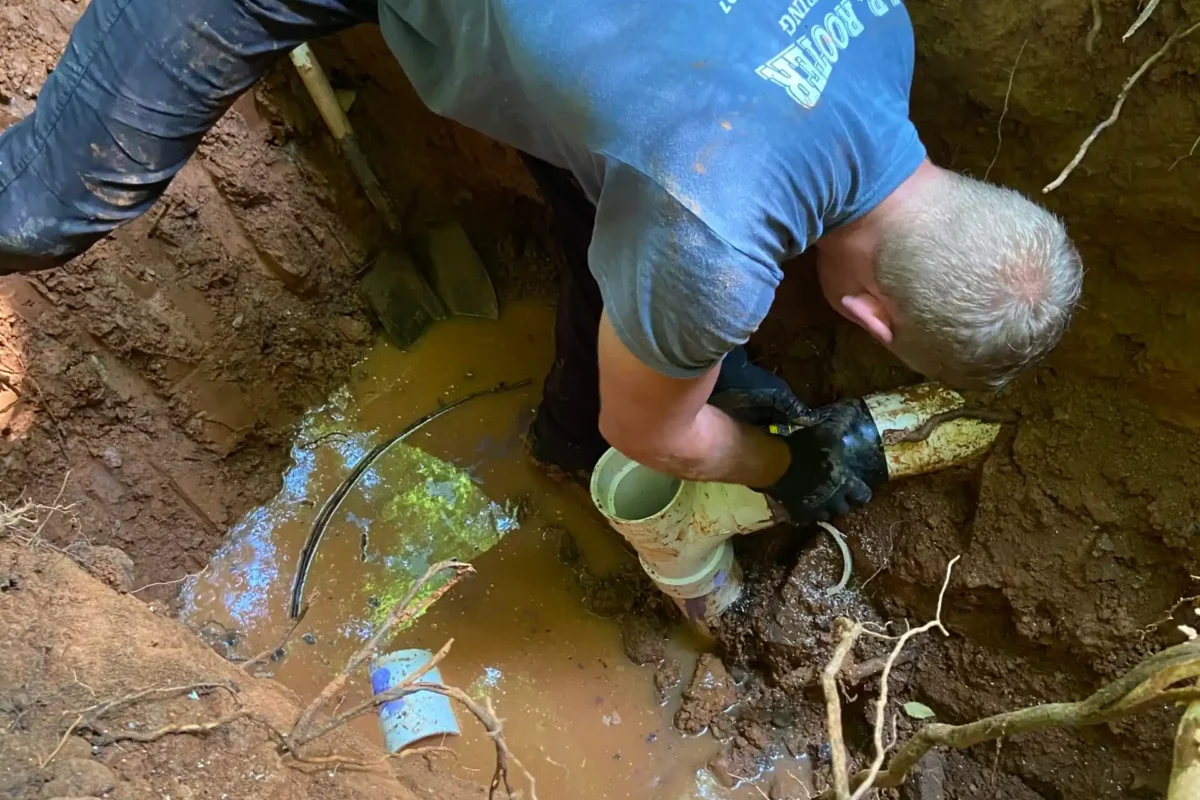
Categories Plumbing

How to Prevent Frozen Pipes in North Carolina

Winter in the Raleigh Triangle can surprise you. One day it feels mild, and the next a hard freeze rolls in. When that happens, you need to prevent frozen pipes before the cold does real damage to your home.

Frozen pipes are more common in North Carolina than many people think. Because our winters feel mild, homeowners often skip basic prep. As a result, a single cold snap can crack a pipe and flood a room.

At T.C.R. Rooter & Plumbing, we have helped families across Raleigh, Apex, and Wake Forest for over 30 years. Therefore, we want to share practical tips that actually work in our climate.

Why Frozen Pipes Happen in the Triangle

Water expands when it freezes. As a result, the pressure inside a pipe builds quickly. Eventually, that pressure cracks the pipe or pushes a joint apart.

However, the pipe does not always burst at the frozen spot. Instead, the break often happens between the ice blockage and a closed faucet. Because of this, many homeowners feel confused about where the leak began.

North Carolina’s Sneaky Cold Snaps

Our region rarely sees long deep freezes. Therefore, homes here are often less insulated than homes up north. Many builders leave pipes in unheated spaces because hard freezes feel rare.

Meanwhile, those rare freezes still arrive. For example, a fast drop into the teens overnight can freeze exposed pipes in hours. As a result, prep matters even in a mild climate.

Pipes Most at Risk

Some pipes face more danger than others. First, check anything in an unheated area. Then, focus on pipes along exterior walls.

  • Pipes in crawl spaces and attics
  • Lines in unheated garages or basements
  • Outdoor hose bibs and spigots
  • Pipes under sinks on exterior walls
  • Irrigation and pool supply lines

Simple Steps to Prevent Frozen Pipes

You do not need expensive tools to protect your home. In fact, a few small habits make a big difference. Below are steps every homeowner can use.

Insulate Exposed Pipes

Pipe insulation is cheap and easy to install. Therefore, it should be your first line of defense. Foam sleeves slide right over exposed pipes in minutes.

Focus on crawl spaces, garages, and attics first. Then, seal any gaps where cold air sneaks inside. Because of this small step, your pipes stay much warmer.

Let Faucets Drip During a Freeze

A slow drip relieves pressure inside your pipes. As a result, water keeps moving and freezes less easily. Open both hot and cold lines slightly on the coldest nights.

Focus on faucets along exterior walls. Moreover, a pencil-thin stream is usually enough. This trick costs little but protects a lot.

Open Cabinet Doors

Pipes under sinks often sit against cold outer walls. Therefore, open the cabinet doors during a freeze. This lets warm room air reach the pipes.

This tip works well in kitchens and bathrooms. Additionally, it helps in homes across Cary and Fuquay-Varina with older layouts. Just keep harmful cleaners away from kids and pets.

Protect Outdoor Plumbing

Outdoor fixtures freeze first because they face full exposure. However, they are also the easiest to protect. A little fall prep saves you a winter headache.

Disconnect and Drain Hoses

Always remove garden hoses before the first freeze. Otherwise, trapped water can freeze and back up into the wall. Then, that ice can crack the indoor pipe.

Next, drain the hose and store it indoors. Also, shut off the indoor valve for outdoor spigots if you have one. Finally, open the spigot to let leftover water escape.

Cover Spigots and Backflow Devices

Foam faucet covers add quick, cheap protection. Therefore, install one on every outdoor spigot. They snap on in seconds and last for years.

Backflow devices and irrigation lines also need attention. For example, an unprotected backflow assembly can crack in a hard freeze. As a result, you may face a costly spring repair.

Prepare Your Home Before Winter

Smart prep starts before the cold arrives. Meanwhile, last-minute scrambling rarely works well. A short fall checklist keeps your plumbing safe all season.

Seal Air Leaks

Cold drafts find their way to your pipes. Therefore, seal gaps around vents, wiring, and pipe penetrations. Use caulk or expanding foam for tight spots.

Pay close attention to crawl space vents. In addition, close foundation vents during hard freezes if your home allows it. This simple step traps warmth where pipes live.

Keep the Heat On

Never let your home drop too cold, even when away. Instead, keep the thermostat at a steady, safe level. A consistent temperature protects pipes overnight.

Set your heat no lower than the mid-50s when traveling. Furthermore, ask a neighbor to check on your home. This matters most for empty homes in Durham and Apex during winter trips.

Know Your Main Shutoff

Every homeowner should know where the main water valve sits. Therefore, find it before an emergency happens. Then, label it so anyone can shut it off fast.

A quick shutoff limits damage if a pipe bursts. For more guidance on cold-weather plumbing safety, the American Red Cross frozen pipe guide offers helpful tips. As a result, you can act quickly during a freeze.

What to Do If Pipes Freeze

Sometimes pipes freeze despite your best efforts. However, fast action can prevent a full burst. Stay calm and follow these steps.

Thaw Pipes Safely

First, open the faucet connected to the frozen pipe. Then, apply gentle heat with a hair dryer or towels. Start near the faucet and work toward the blockage.

Never use an open flame or torch. Otherwise, you risk a fire and pipe damage. Moreover, sudden heat can crack the pipe even faster.

When to Call a Professional

Some situations need an expert right away. Therefore, call for help if you cannot find or reach the frozen pipe. Also call if a pipe has already burst.

Our background-checked technicians offer 24/7 emergency service. In addition, we use leak detection and in-line camera inspection to find hidden problems. Schedule service with our team the moment you spot trouble.

Frequently Asked Questions

At what temperature do pipes freeze in North Carolina?

Pipes can freeze when temperatures drop below 20 degrees. However, exposed pipes may freeze sooner with wind chill. Therefore, take action before any hard freeze.

Should I leave faucets dripping all winter?

No, drip faucets only during hard freezes. Meanwhile, a slow drip wastes little water and protects your pipes. Turn them off once temperatures rise.

Do I really need to insulate pipes in a mild climate?

Yes, insulation still helps a great deal here. Because our cold snaps arrive fast, prep matters. Moreover, foam sleeves are cheap and easy to install.

What if my pipe bursts at night?

First, shut off your main water valve. Then, call for emergency plumbing help right away. Because of this quick response, you limit costly water damage.

Can frozen pipes damage my water heater?

Yes, frozen supply lines can stress your water heater. Therefore, keep the area around it warm. Additionally, schedule a checkup before winter for peace of mind.

Protect Your Home With TCR Plumbing

A little prep now saves you stress later. However, you do not have to handle every step alone. Our experienced team is ready to help.

T.C.R. Rooter & Plumbing has served the Raleigh Triangle since 1993. Furthermore, we are licensed, bonded, and insured with an A+ BBB rating. We back all work with a 100% guarantee.

Ready to winterize your plumbing? Then, contact the TCR Plumbing team to discuss your plumbing issue. As a result, you can face winter with confidence across Raleigh, Apex, and beyond.

Categories Plumbing

Plumbing Tips for New Homeowners in the Raleigh Triangle

Buying your first home is exciting. However, it also brings new responsibilities you may not expect. Smart new homeowner plumbing habits can save you money and stress for years to come.

At TCR Plumbing, we help families across the Raleigh Triangle protect their homes. Therefore, we put together this simple guide for new owners. Use it to learn your system and avoid costly surprises.

Whether you bought in Raleigh, Apex, or Wake Forest, these tips apply. Let’s walk through what every new homeowner should know.

Get to Know Your Home’s Plumbing System

First, learn how your home moves water. Every house has supply lines, drain lines, and fixtures. Because of this, understanding the basics helps you act fast in an emergency.

Walk through your home with a notepad. Then mark where pipes run and where shutoffs sit. As a result, you will feel confident when something goes wrong.

Find Your Main Water Shutoff Valve

This step matters most for any new homeowner. The main shutoff stops all water to your home. Therefore, you can prevent serious flooding in seconds.

In many Triangle homes, the valve sits near the front foundation. Sometimes it hides in a basement, crawl space, or utility closet. Test it now, so you know it works.

Locate Individual Fixture Shutoffs

Next, find the small valves under sinks and toilets. These let you stop water to one fixture only. As a result, you can fix a leak without shutting off the whole house.

  • Toilets: Look behind the base, near the floor.
  • Sinks: Check inside the cabinet below.
  • Water heater: Find the valve on the cold inlet line.

Know the Age and Material of Your Pipes

Older Triangle homes sometimes hide outdated pipe materials. For example, some houses built decades ago contain polybutylene plumbing. This gray plastic pipe can fail without warning.

Therefore, ask about pipe materials during your home inspection. If you spot polybutylene, plan for replacement. Meanwhile, watch for unexplained leaks or low pressure.

Common Pipe Types in the Area

Homes around Raleigh, Cary, and Durham use several materials. Copper, PEX, CPVC, and older galvanized steel all appear. Each one ages differently over time.

Galvanized pipes often corrode from the inside. As a result, they restrict water flow and stain your water. If you have them, consider a professional evaluation soon.

Watch for Early Signs of Trouble

Small problems grow fast when ignored. However, catching them early protects your budget. Train yourself to notice warning signs around the house.

Look for water stains on ceilings and walls. Also, listen for running toilets and dripping faucets. These often signal hidden waste or future damage.

Hidden Leaks and Water Damage

Hidden leaks can hide behind walls for months. Therefore, check your water bill for sudden jumps. A spike with no change in use often means a leak.

Musty smells and warm spots on floors also warn you. Because of this, professional leak detection helps protect your investment. Our team uses tools that find leaks without tearing up your home.

Slow and Clogged Drains

Slow drains rarely fix themselves. Instead, they often point to a bigger blockage. For example, grease, hair, and roots build up over time.

Avoid harsh chemical cleaners as a first step. They can damage pipes and rarely solve the root problem. Instead, professional drain cleaning clears the line safely and fully.

Protect Your Drains and Sewer Lines

Your sewer line carries waste away from your home. However, tree roots and aging pipes can block it. Many older Triangle neighborhoods have large trees near the lines.

First, never flush wipes, even “flushable” ones. Next, keep grease out of kitchen drains. Finally, use drain strainers to catch hair and debris.

When to Consider a Camera Inspection

An in-line camera inspection shows the inside of your pipes. Therefore, it reveals roots, cracks, and blockages clearly. New homeowners often request one for peace of mind.

This step makes sense if you bought an older home. Moreover, it helps you plan repairs before they become emergencies. You can explore your options with the TCR Plumbing team when you are ready.

Care for Your Water Heater

Your water heater works hard every single day. However, many homeowners forget about it until it fails. A little care extends its life significantly.

First, learn its age and type. Tank units last several years with maintenance. Tankless models often last even longer when serviced regularly.

Simple Water Heater Maintenance

  • Flush the tank: Sediment builds up over time. Flushing improves efficiency.
  • Check the temperature: Around 120°F balances safety and comfort.
  • Inspect for leaks: Look for rust or water near the base.

The U.S. Department of Energy offers helpful guidance on water heating efficiency for homeowners. Additionally, our technicians can recommend the right unit for your family. Many Apex and Fuquay-Varina homes upgrade to tankless for endless hot water.

Prepare for North Carolina Weather

Triangle winters stay mild, yet hard freezes still happen. Therefore, frozen pipes remain a real risk. A burst pipe can flood a home quickly.

Before cold snaps, disconnect outdoor hoses. Also, insulate exposed pipes in crawl spaces and garages. On the other hand, summer storms can stress sump pumps and well systems.

Protecting Pumps and Wells

Some homes outside city limits rely on well pumps. Meanwhile, others use sump pumps to manage groundwater. Test these systems before heavy rain arrives.

If your pump runs constantly, call a professional. Furthermore, schedule routine checks to avoid surprise failures. Our team services pumps and valves across the region.

Build a Simple Maintenance Routine

Good habits prevent most plumbing emergencies. Therefore, create a seasonal checklist you can follow. It takes little time but offers big rewards.

First, inspect visible pipes for moisture each season. Next, test shutoff valves twice a year. Then schedule professional service for anything unusual.

What to Handle Yourself vs. Call a Pro

You can manage many small tasks alone. For example, you can plunge a clog or tighten a loose handle. However, some jobs need a licensed plumber.

  • DIY-friendly: Minor clogs, fixture cleaning, valve checks.
  • Call a pro: Sewer backups, water line leaks, water heater issues.
  • Emergency: Burst pipes, no water, major flooding.

When in doubt, reach out early. As a result, you avoid turning a small fix into a big repair.

Frequently Asked Questions

What should a new homeowner check first?

Start with your main water shutoff valve. Then locate fixture shutoffs and your water heater. Therefore, you can respond fast during any emergency.

How often should I have my drains cleaned?

Most homes benefit from a check every year or two. However, older homes with trees may need it sooner. Slow drains signal it is time.

Are chemical drain cleaners safe to use?

We generally advise against them. They can corrode pipes and rarely clear deep clogs. Professional drain cleaning offers a safer, lasting fix.

How do I know if I have a hidden leak?

Watch for rising water bills and damp spots. Also, listen for running water when fixtures sit unused. Professional leak detection confirms the source.

When should I replace my water heater?

Consider replacement when it leaks or runs cold. Additionally, older units often lose efficiency. A technician can help you weigh repair versus replacement.

Trust the Triangle’s Plumbing Experts

New homeownership feels easier with the right partner. At TCR Plumbing, we have served the Raleigh Triangle since 1993. Therefore, we understand the homes and challenges in our area.

Our background-checked technicians handle repairs, drain cleaning, and water heaters. We are licensed, bonded, and insured with an A+ BBB rating. Moreover, we back every job with a 100% guarantee.

Ready to protect your new home? Contact the TCR Plumbing team to discuss your plumbing issue today. We proudly serve Raleigh, Apex, Cary, Wake Forest, Durham, and beyond.

Categories Plumbing

What to Do If You Find a Plumbing Leak

Finding water where it does not belong can feel alarming. However, knowing exactly what to do if you find a plumbing leak can save your home from serious damage. A calm, quick response makes a big difference.

Leaks happen to homeowners and businesses across the Raleigh Triangle every day. Therefore, having a simple plan ready helps you act fast. The first few minutes truly matter.

In this guide, our team shares practical steps you can take right now. Additionally, we explain when to call a licensed plumber. Let us walk through it together.

First Steps to Take When You Spot a Leak

Acting quickly limits damage and stress. First, stay calm and assess what you see. Then move through these steps in order.

Shut Off the Water Supply

Your first move should be stopping the water flow. Find the fixture’s local shutoff valve, usually under a sink or behind a toilet. Turn it clockwise to close it.

However, some leaks require shutting off your whole home. In that case, locate your main water shutoff valve. It often sits near the water meter or where the line enters the house.

Many Raleigh and Cary homes have the main valve in a basement, crawl space, or garage. Therefore, find yours before an emergency strikes. This knowledge saves precious time later.

Turn Off Power Near the Leak

Water and electricity create a dangerous mix. As a result, you should cut power to nearby outlets or appliances. Use your breaker panel if water is close to electrical items.

Do not touch wet electronics with bare hands. Instead, wait until the area is safe. Your safety always comes first.

Contain the Damage Right Away

After stopping the source, focus on protecting your space. Quick containment prevents secondary problems like mold and warped floors. Moreover, it makes cleanup easier later.

Soak Up Water and Move Belongings

Grab towels, buckets, or a wet vacuum. Then soak up standing water as fast as you can. Also, move furniture and valuables to a dry area.

For example, lift rugs and electronics off wet flooring. Because of this, you reduce the chance of permanent damage. Speed really helps here.

Document Everything for Insurance

Take photos and videos before you clean up. Additionally, note the date and time you discovered the leak. This record supports any future insurance claim.

Keep receipts for supplies and emergency repairs. Furthermore, jot down what you saw and where. Good documentation protects you financially.

Find the Source of the Leak

Once the area is safe, try to identify the cause. Sometimes the source is obvious. Other times, the leak hides behind walls or under floors.

Common Leak Locations

Leaks often appear in predictable spots. Therefore, check these areas first:

  • Under sinks where supply lines and drains connect
  • Around toilets at the base or behind the tank
  • Near water heaters at fittings or the tank itself
  • At hose bibs and outdoor spigots
  • Inside walls shown by stains or bubbling paint

Older homes in Durham and Wake Forest may have aging pipes. For instance, polybutylene plumbing can fail without warning. As a result, hidden leaks become more common in these properties.

Signs of a Hidden Leak

Not every leak is easy to see. However, your home gives clues. Watch for these warning signs:

  • A spike in your water bill
  • Damp spots or discoloration on walls or ceilings
  • A musty smell that will not fade
  • The sound of running water when nothing is on
  • Low water pressure across fixtures

If you notice these signs, professional help matters. Our technicians use in-line camera inspection and leak detection tools. Therefore, we locate hidden leaks without tearing up your home.

When to Call a Professional Plumber

Some leaks are simple. Others demand expert attention right away. Knowing the difference protects your property and your budget.

Signs You Need Emergency Service

Certain situations cannot wait. Call a plumber immediately if you see any of these:

  • Water gushing and you cannot stop it
  • Sewage backing up into drains or tubs
  • A burst pipe flooding a room
  • A failing water heater leaking heavily
  • Water near electrical panels or wiring

Because plumbing emergencies strike at any hour, we offer 24/7 service. Therefore, help is always one call away. You can contact the TCR Plumbing team to discuss your plumbing issue and request fast support.

Why Professional Leak Detection Helps

DIY fixes work for minor drips. However, hidden leaks need real expertise. Guessing wrong can mean expensive water damage.

Our licensed plumbers serve Raleigh, Apex, Fuquay-Varina, and beyond. Moreover, we are licensed, bonded, and insured with an A+ BBB rating. Founded in 1993, we bring over 30 years of trusted experience.

How to Prevent Future Plumbing Leaks

Prevention beats repair every time. Fortunately, a few simple habits reduce your risk. Start with these proven steps.

Routine Maintenance Tips

Small checks catch problems early. Therefore, build these into your routine:

  • Inspect under sinks for moisture monthly
  • Watch for slow drips at faucets and valves
  • Test water pressure and keep it moderate
  • Flush your water heater on a regular schedule
  • Schedule periodic drain cleaning to prevent backups

Additionally, the EPA’s guidance on fixing household leaks offers helpful insight on saving water. As a result, you protect both your home and your wallet.

Seasonal Care in North Carolina

Triangle weather shifts throughout the year. During cold snaps, pipes can freeze and burst. Therefore, insulate exposed pipes before winter arrives.

In summer, heavy storms stress sewer and water lines. Meanwhile, tree roots may invade older pipes. Because of this, an annual inspection keeps surprises away.

Homes in Zebulon and Wake Forest often sit on larger lots. As a result, well pumps and septic systems need extra attention. Regular checks keep them running smoothly.

Frequently Asked Questions

How do I know if a leak is serious?

Watch the water volume and location first. A small drip may be minor. However, gushing water, sewage, or wall stains signal a serious problem. Then call a plumber promptly.

Should I turn off water for a small leak?

Yes, shut off the nearest valve as a precaution. This stops further damage while you investigate. Additionally, it gives you time to plan your next step calmly.

Can a small leak really raise my water bill?

Absolutely. Even a slow drip wastes water continuously. Therefore, a higher bill often points to a hidden leak somewhere in your system.

How fast can a plumber respond to a leak?

Because we offer 24/7 emergency service, we respond quickly across the Triangle. Meanwhile, you can contain damage using the steps above. Fast action protects your home.

Do older Raleigh homes leak more often?

Often, yes. Aging pipes and polybutylene plumbing fail over time. As a result, older properties benefit from camera inspection and regular maintenance.

Get Help With Your Plumbing Leak Today

A leak does not have to become a disaster. With quick action and the right help, you protect your home. Now you know exactly what to do.

Our family-owned team serves Raleigh, Apex, Cary, Durham, and nearby communities. Moreover, we back every job with a 100% guarantee and honest service. You can trust our background-checked, licensed plumbers.

Ready to stop a leak for good? Schedule service with TCR Plumbing today and explore your options. Therefore, do not wait. Reach out and let us restore your peace of mind.

Categories Plumbing

Signs of Leaks Under Concrete Slabs: A Homeowner’s Guide

A hidden concrete slab leak can damage your home long before you notice it. These leaks happen in the water lines buried beneath your foundation. Unfortunately, they often stay hidden for weeks or even months.

Homeowners across the Raleigh Triangle deal with this problem more often than you might think. Older homes in Raleigh, Cary, and Apex are especially at risk. Because of this, knowing the warning signs matters.

In this guide, we will explain how slab leaks form. Additionally, we will share the signs to watch for and what to do next. As a result, you can act quickly and protect your home.

What Is a Concrete Slab Leak?

Many North Carolina homes sit on a concrete slab foundation. Water and sewer pipes run through or beneath that slab. Over time, those pipes can crack, corrode, or wear down.

When a pipe fails, water escapes under the concrete. This is called a slab leak. Therefore, the water has nowhere to go but into your foundation and soil.

Why These Leaks Happen

Several factors cause pipes under a slab to fail. First, age weakens older copper and galvanized lines. Next, shifting soil puts pressure on the pipes.

Furthermore, poor installation can create weak joints. Hard water also speeds up corrosion over time. Because of this, even newer homes can develop problems.

  • Aging pipes that corrode from the inside out
  • Soil movement that stresses buried lines
  • Hard water minerals that build up and erode pipes
  • High water pressure that strains weak joints
  • Poor installation that leaves vulnerable connections

Early Warning Signs of a Slab Leak

Most slab leaks start small and quiet. However, they leave clues if you know where to look. Catching these signs early can save you serious money.

1. An Unexplained Spike in Your Water Bill

Your water bill reflects how much water you use. Therefore, a sudden jump often signals a hidden leak. If your habits have not changed, take notice.

Compare your recent bills to past months. Meanwhile, check whether anyone added a new appliance. If nothing explains the increase, a slab leak may be the cause.

2. The Sound of Running Water

Sometimes you can actually hear a slab leak. For example, you may hear water running when all taps are off. This sound often comes from below the floor.

Turn off every fixture and listen carefully. Then walk through quiet rooms in your home. If you still hear water, call a professional right away.

3. Warm Spots on the Floor

A leak in a hot water line creates warm areas on your floor. As a result, certain spots may feel hotter than others. This is especially common on tile or vinyl.

Walk barefoot across your floors to test this. Moreover, pets often gravitate toward these warm patches. Either clue can point to a hidden leak.

Visible Damage You Might Notice

As a slab leak grows, the damage becomes harder to ignore. Additionally, the signs spread beyond the floor itself. Pay attention to these visible problems.

Cracks in Floors and Walls

Leaking water shifts the soil under your foundation. Therefore, your slab may move slightly over time. This movement causes cracks in floors and walls.

Small hairline cracks can appear first. However, larger cracks may follow if the leak continues. Doors and windows may also start sticking.

Damp or Discolored Flooring

Water under the slab eventually seeps upward. As a result, carpet may feel damp without any spill. Hardwood floors may warp or buckle.

Tile and laminate can lift or loosen, too. Furthermore, you may notice dark stains on the floor surface. These signs often mean water is pooling below.

Mold, Mildew, and Musty Smells

Trapped moisture creates the perfect home for mold. Because of this, you may smell a musty odor indoors. The smell often lingers near floors and baseboards.

Mold can also appear on walls and carpet. Moreover, it poses health risks for your family. Therefore, you should never ignore a persistent musty smell.

How Slab Leaks Affect Triangle-Area Homes

The Raleigh Triangle has a mix of older and newer homes. Many neighborhoods in Durham and Wake Forest feature slab foundations. As a result, slab leaks affect homeowners across the region.

Our local clay-heavy soil also plays a role. The soil expands when wet and shrinks when dry. Therefore, this constant movement stresses buried pipes over time.

Older Homes Need Extra Attention

Homes built decades ago often have aging pipe materials. For example, some still rely on outdated polybutylene plumbing. These systems are prone to failure and leaks.

If you own an older home in Apex or Fuquay-Varina, stay alert. Additionally, schedule routine inspections to catch problems early. Prevention is always cheaper than repair.

Commercial Properties Face Risks Too

Slab leaks are not just a residential problem. Businesses across the Triangle deal with them as well. A leak can disrupt operations and damage inventory.

Commercial slabs often cover large areas. Therefore, leaks can be harder to pinpoint. Professional detection tools become especially valuable in these cases.

How Professionals Detect Slab Leaks

Finding a slab leak takes specialized equipment and training. Fortunately, modern tools make detection less invasive than before. Plumbers no longer guess where to dig.

Electronic Leak Detection

Plumbers use acoustic listening devices to find leaks. These tools amplify the sound of water moving underground. As a result, technicians can pinpoint the exact location.

This method protects your floors and foundation. Moreover, it reduces the need for unnecessary digging. Accurate detection saves both time and money.

Camera Inspections

An in-line camera shows the inside of your pipes. Therefore, plumbers can spot cracks and blockages clearly. This gives a complete picture of the problem.

The camera travels through your plumbing lines. Meanwhile, the technician watches a live video feed. This helps confirm the leak before any repair begins. For more on the value of professional inspections, the EPA’s guidance on fixing household leaks offers helpful background.

What to Do If You Suspect a Slab Leak

Acting fast can limit the damage to your home. First, do not ignore the warning signs above. Next, take a few simple steps right away.

  • Check your water meter with all fixtures off
  • Shut off the main water valve if the leak seems severe
  • Document any visible damage with photos
  • Avoid DIY repairs on buried pipes
  • Call a licensed plumber for professional detection

A slab leak is not a job for amateurs. Therefore, professional help is almost always the right choice. The right team can find and fix the issue safely.

Why Professional Repair Matters

Slab leaks require careful, precise work. Because of this, experienced plumbers deliver the best results. They protect your foundation while solving the problem.

Our background-checked technicians bring over 30 years of experience. Additionally, we back our work with a 100% guarantee. You can contact the TCR Plumbing team to discuss your plumbing issue today.

Preventing Future Slab Leaks

You cannot stop every leak, but you can lower your risk. Moreover, simple habits make a real difference. Start with these practical steps.

  • Monitor your water pressure and keep it in a safe range
  • Install a water softener if you have hard water
  • Schedule routine plumbing inspections each year
  • Watch your water bill for unexpected changes
  • Address small leaks before they grow

Regular maintenance protects your pipes for years. Therefore, it pays to stay proactive. A little attention now prevents big repairs later.

Frequently Asked Questions About Slab Leaks

How serious is a slab leak?

A slab leak is a serious problem you should not delay. Over time, it can damage your foundation and flooring. Therefore, prompt repair is always the smart choice.

Can a slab leak fix itself?

No, a slab leak will not heal on its own. In fact, it usually gets worse over time. As a result, you need professional repair to stop the damage.

How long does slab leak repair take?

Repair time depends on the leak’s location and severity. Some repairs take a few hours. However, complex cases may require more time and planning.

Will I need to break my concrete floor?

Not always, thanks to modern detection methods. Sometimes plumbers can reroute pipes instead. Therefore, the right approach depends on your specific situation.

How do I know if my home is at risk?

Older homes and slab foundations carry higher risk. Additionally, hard water and shifting soil add to it. A professional inspection can clarify your home’s condition.

Protect Your Home With TCR Plumbing

A concrete slab leak can threaten your home and budget. However, early action makes all the difference. Knowing the signs puts you in control.

Our family-owned team has served the Raleigh Triangle since 1993. We help homeowners and businesses in Raleigh, Apex, Cary, and beyond. Moreover, we offer 24/7 emergency service when you need it most.

Do not wait until a small leak becomes a major repair. Schedule service with our licensed, bonded, and insured team today. Finally, let us help you protect your home with confidence.

Thank You For Contacting Us!

We’ve received your contact form and will reach out to you shortly.  If you need immediate assistance please give us a call at (919) 467-2207.

Your satisfaction is our family’s priority!

If we’ve met or exceeded your expectations, please take a moment to share your experience with a review on our Google Business pages. Please click on the location for your service and you will be redirected to write a Google Review.