Categories Plumbing

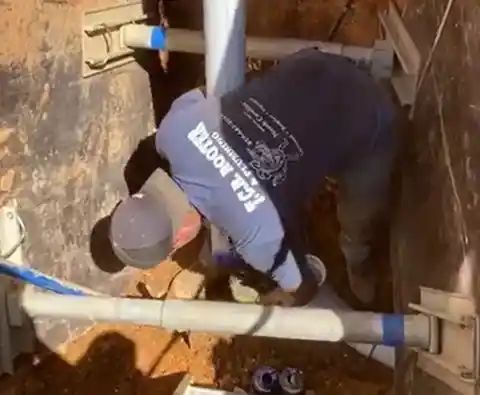
Moving Plumbing Fixtures During Renovations: A Raleigh Homeowner’s Guide

Planning a remodel in the Raleigh Triangle? Then moving plumbing fixtures may be on your list. This step can transform a kitchen or bathroom completely.

However, relocating sinks, toilets, and tubs is not simple. It involves pipes, codes, and careful planning. Therefore, you need the right information before you start.

At TCR Plumbing, we help homeowners across Raleigh, Apex, and Cary every day. As a result, we know what makes these projects succeed. Below, we break down the essentials.

What Does Moving Plumbing Fixtures Really Involve?

Moving plumbing fixtures means relocating any item connected to your water or drain lines. For example, this includes sinks, toilets, showers, and tubs. It also covers dishwashers and washing machines.

Each fixture connects to supply lines and drain lines. Therefore, moving one means rerouting both. This is more complex than it looks from the surface.

Supply Lines vs. Drain Lines

Supply lines bring fresh water to the fixture. They run under pressure, so leaks can spread fast. Drain lines, on the other hand, carry waste away.

Drain lines rely on gravity and proper slope. Because of this, they are trickier to relocate. A drain that lacks slope will clog or back up.

Why Planning Matters First

First, map out where each fixture will go. Next, consider how the pipes will reach that spot. Then, think about the floor joists and walls in the way.

Good planning prevents costly surprises later. Additionally, it helps your remodel stay on schedule. Therefore, never skip this early step.

Common Reasons Triangle Homeowners Move Fixtures

Many Triangle families remodel older homes. For example, neighborhoods in Durham and Wake Forest feature dated layouts. Moving fixtures helps modernize these spaces.

Open-concept kitchens are popular right now. As a result, homeowners often shift sinks to islands. Bathroom upgrades also drive many fixture moves.

  • Kitchen islands: Adding a sink or dishwasher to a new island.
  • Bathroom expansions: Repositioning toilets, vanities, or showers.
  • Laundry relocation: Moving a washer to a more convenient floor.
  • Accessibility upgrades: Lowering or shifting fixtures for easier use.

Each project has unique demands. However, all of them require careful drain and supply work. Meanwhile, code compliance stays essential throughout.

Understanding Local Codes and Permits

North Carolina enforces strict plumbing codes. Therefore, most fixture moves require a permit. This protects your home and your investment.

Inspectors check slope, venting, and connections. Furthermore, they confirm the work meets safety standards. Skipping permits can cause headaches when you sell.

Why Permits Protect You

A permit means a licensed pro did the work right. Because of this, future buyers feel more confident. It also reduces the risk of hidden leaks.

You can review broad plumbing standards through resources like the International Code Council. However, local rules in Wake County may differ. Therefore, always confirm requirements before starting.

Venting Is Often Overlooked

Every drain needs proper venting to work well. Vents let air into the system, so water flows smoothly. Without them, drains gurgle and empty slowly.

Moving a fixture often means rerouting vents too. As a result, this part of the job demands expertise. A licensed plumber handles it correctly.

The Step-by-Step Process for Moving Fixtures

A successful relocation follows clear stages. First, a plumber assesses your existing layout. Then, they design the new pipe routing.

Next comes the demolition and rough-in phase. Finally, the fixtures get installed and tested. Each stage builds on the last.

Step 1: Assessment and Design

The plumber inspects your pipes and floor structure. Additionally, they check for old materials like polybutylene. This early look shapes the whole plan.

Step 2: Rough-In Plumbing

Rough-in means installing pipes before walls close up. Therefore, this stage hides the new lines neatly. It must pass inspection before you continue.

Step 3: Fixture Installation

Once walls and floors are ready, fixtures go in. Then, the plumber connects supply and drain lines. Finally, they test everything for leaks.

Want a smooth remodel from start to finish? You can contact the TCR Plumbing team to discuss your project. We serve homeowners across the entire Triangle.

Challenges You Might Face in Older Triangle Homes

Older homes in Raleigh and Fuquay-Varina hold surprises. For example, hidden pipes may sit in awkward spots. As a result, relocation can take extra steps.

Slab foundations add another layer of difficulty. Moving a drain may require cutting concrete. Therefore, these jobs need experienced hands.

Outdated Pipe Materials

Some Triangle homes still have polybutylene plumbing. This material fails over time, so it often needs replacing. A remodel offers the perfect chance to upgrade.

Galvanized steel pipes also cause issues. They corrode and restrict water flow. Therefore, replacing them improves your whole system.

Limited Access Points

Tight crawl spaces make pipe work harder. Meanwhile, finished basements hide existing lines. Because of this, planning becomes even more important.

How to Keep Your Remodel Budget-Friendly

Moving fixtures costs more when pipes travel far. Therefore, keeping new locations close to old ones helps. This simple choice can lower your bill.

Group your fixtures near shared walls when possible. As a result, the pipes share routing. This approach saves both time and money.

  • Plan early: Avoid mid-project changes that add costs.
  • Cluster fixtures: Keep plumbing connections close together.
  • Address old pipes: Fix problems while walls are open.
  • Hire licensed pros: Avoid rework from improper installs.

Quality work saves money long term. However, cutting corners leads to leaks. Therefore, invest in skilled professionals from the start.

Why Hire a Licensed Plumber for Fixture Moves

DIY fixture moves often go wrong. For example, a misaligned drain can flood a wall. A licensed plumber prevents these costly mistakes.

Our team at TCR Plumbing is licensed, bonded, and insured. Additionally, every technician is background-checked and drug-tested. As a result, you get trusted service every time.

Experience That Protects Your Home

Terry Ault founded TCR Plumbing back in 1993. Therefore, we bring over 30 years of experience. We handle even the most complex relocation projects.

We also back our work with a 100% guarantee. Furthermore, we hold an A+ BBB rating. You can trust us with your remodel.

Ready When You Need Us

Remodel surprises can strike at any hour. Therefore, we offer 24/7 emergency service. Help is always close, whether in Apex or Zebulon.

Curious about your options? Explore your choices with our friendly team. We are happy to walk you through the process.

Frequently Asked Questions

How far can a plumbing fixture be moved?

Fixtures can move quite far with proper planning. However, distance affects slope and cost. Therefore, a plumber should confirm what works for your home.

Do I need a permit to move plumbing fixtures?

Yes, most fixture moves require a permit in North Carolina. This ensures the work meets safety codes. Additionally, it protects your home’s resale value.

Can I move a toilet to a new spot?

Yes, but moving a toilet involves drain rerouting. This is more complex than moving a sink. Therefore, professional help is strongly recommended.

How long does a fixture relocation take?

Timelines vary by project size and complexity. Simple moves finish faster than full bathroom relocations. Your plumber can give a clearer estimate after an assessment.

Will moving fixtures disrupt my water service?

Some water shutoff is usually needed. However, a skilled plumber minimizes the disruption. As a result, your daily routine stays mostly intact.

Start Your Triangle Remodel With Confidence

Moving plumbing fixtures opens up exciting design options. However, it requires planning, permits, and skilled work. Therefore, partnering with experts pays off.

TCR Plumbing proudly serves Raleigh, Apex, Cary, Durham, and beyond. We treat every customer with fairness and respect. As a result, your remodel stays on track.

Ready to begin your project? Schedule service with our team today. We look forward to bringing your vision to life.

Categories Plumbing

Kitchen Remodeling Plumbing Tips for Raleigh Triangle Homeowners

Planning a kitchen update? Good kitchen remodel plumbing is the hidden backbone of any successful project. It keeps your sinks draining, your water flowing, and your dishwasher running smoothly for years.

Many Raleigh Triangle homeowners focus on cabinets and countertops first. However, the plumbing behind the walls matters just as much. Therefore, planning it early saves money and stress.

At TCR Plumbing, we have helped families across Raleigh, Apex, and Cary remodel with confidence. Below, we share practical tips to guide your next project.

Why Plumbing Planning Comes First

Your kitchen relies on water supply lines, drains, and vents. As a result, even small layout changes can affect them. Moving a sink, for example, often means rerouting pipes.

Because of this, smart planning prevents costly surprises. First, decide where your major fixtures will go. Then, map the plumbing around that vision.

Map Your New Layout Early

Sketch your dream kitchen before any demolition begins. Mark the sink, dishwasher, and refrigerator locations clearly. Additionally, note any new appliances that need water.

Next, share this plan with a licensed plumber. Moreover, an early review can flag problems before they grow. This step alone protects your budget.

Understand Your Existing Pipes

Older homes around Wake Forest and Durham may have aging pipes. Some still contain outdated materials that need replacing. Therefore, an inspection is wise before you start.

For example, polybutylene pipes can fail over time. A professional can confirm what you have. Then, you can plan upgrades during the remodel.

Smart Choices for Kitchen Plumbing

Your fixture choices shape both function and style. Furthermore, quality fixtures last longer and leak less. Choose carefully and you will enjoy the results daily.

Pick the Right Sink and Faucet

Deep, single-basin sinks have grown popular in Triangle kitchens. They handle large pots with ease. However, double basins still suit busy families well.

Match your faucet to your sink size and use. Also, consider a pull-down sprayer for flexibility. In addition, check that water pressure suits your selection.

Plan for the Dishwasher and Disposal

A dishwasher needs both a water line and a drain connection. Meanwhile, a garbage disposal requires proper electrical and plumbing setup. Plan both during the design stage.

Position these near the sink for efficiency. As a result, your drain runs stay short and reliable. Short runs also drain faster and clog less.

Consider a Pot Filler or Filtered Tap

Pot fillers add convenience above the stove. Additionally, filtered water taps improve everyday cooking and drinking. Both require dedicated supply lines, though.

Therefore, decide on these extras early. Adding them later costs far more. Plan now and avoid opening finished walls.

Common Plumbing Mistakes to Avoid

Even great remodels can hit plumbing snags. However, you can avoid the most common ones. Here are the issues we see most often.

  • Ignoring vents: Drains need proper venting to flow well.
  • Cheap materials: Low-quality parts fail and leak sooner.
  • DIY gas or main lines: These demand a licensed professional.
  • Skipping permits: Many local jobs require inspections.
  • Poor drain slope: Flat drains cause standing water and clogs.

Because of these risks, professional guidance pays off. Moreover, it protects your investment over the long term. A small mistake can cause big water damage.

Respect Local Codes and Permits

Plumbing codes protect your home and family. In Wake County and beyond, permits often apply to remodels. Therefore, confirm requirements before you begin.

You can review general guidance from the EPA WaterSense program on efficient fixtures. Additionally, a licensed plumber knows local rules well. This keeps your project safe and legal.

Upgrades Worth Considering During a Remodel

A remodel is the perfect time for smart upgrades. After all, the walls are already open. As a result, certain improvements cost less now than later.

Replace Aging Shutoff Valves

Old shutoff valves can stick or leak. Therefore, replace them while you work. New valves make future repairs simpler and safer.

Also, add easy-to-reach valves under the sink. Then, you can stop leaks fast in an emergency. This small step brings real peace of mind.

Think About Your Water Heater

A new kitchen often increases hot water demand. Meanwhile, an aging water heater may struggle to keep up. Consider an upgrade if yours is near the end.

Tankless units save space and heat water on demand. Furthermore, they suit many Apex and Fuquay-Varina homes well. Ask a professional which option fits your needs.

Address Drain and Sewer Health

Slow drains often signal deeper problems. However, a remodel gives you a chance to fix them. A camera inspection can reveal hidden buildup or damage.

For tough clogs, hydro jetting clears pipes thoroughly. Therefore, your new kitchen starts with clean, flowing drains. This prevents frustrating backups down the road.

Working With a Trusted Local Plumber

The right plumber makes your remodel smoother. Moreover, local experience matters in the Raleigh Triangle. Soil, water, and home age all affect plumbing here.

At TCR Plumbing, we have served the area since 1993. As a result, we understand homes from Zebulon to Cary. We treat every customer with fairness and respect.

Ready to plan your project? Contact the TCR Plumbing team to discuss your kitchen remodel plumbing needs. We are licensed, bonded, and insured for your protection.

What to Expect From a Professional

A good plumber reviews your plans carefully. Then, they flag any concerns before work starts. Additionally, they handle permits and inspections for you.

Background-checked technicians arrive on time and prepared. Furthermore, they back their work with a strong guarantee. This protects your home and your budget.

Frequently Asked Questions

Do I need a permit for kitchen remodel plumbing?

Often, yes. Moving fixtures or adding lines usually requires permits. Therefore, check with your local office or ask your plumber first.

Can I move my kitchen sink to a new spot?

Yes, but it takes planning. Because of drain and vent needs, relocation can get complex. A licensed plumber can confirm what your layout allows.

Should I replace old pipes during a remodel?

If your pipes are aging, replacing them now makes sense. After all, the walls are open. As a result, you save money and avoid future leaks.

Is a tankless water heater worth it?

For many homes, yes. Tankless units save space and provide endless hot water. However, the best choice depends on your household needs.

How do I prevent drain clogs in my new kitchen?

Avoid pouring grease down the drain. Additionally, use a strainer to catch food scraps. Regular cleaning keeps your drains flowing freely.

Start Your Kitchen Remodel With Confidence

A great kitchen starts with solid plumbing. Therefore, plan it early and choose quality parts. Smart choices today prevent headaches tomorrow.

From Raleigh to Wake Forest, we are here to help. Schedule service with TCR Plumbing and remodel with confidence. We offer 24/7 emergency support too.

Explore your options with a trusted local team. Finally, enjoy a kitchen that works as good as it looks. Call us today to get started.

Categories Plumbing

Bathroom Remodel Plumbing: What Raleigh Triangle Homeowners Need to Know

A bathroom remodel is exciting, but the plumbing behind the walls matters just as much as the tile. Smart bathroom remodel plumbing choices protect your investment for decades. Therefore, planning the pipes early saves you stress later.

Many Raleigh Triangle homeowners focus only on style. However, the system feeding your fixtures decides how well that style works. As a result, a beautiful bathroom can fail fast without solid plumbing.

At TCR Plumbing, we have guided remodels across Raleigh, Apex, and Cary since 1993. Below, we share practical tips homeowners and businesses can use. Then, you can plan with confidence.

Why Plumbing Comes First in a Remodel

Cosmetic upgrades grab attention, but plumbing forms the foundation. Because of this, you should review your pipes before choosing finishes. Otherwise, surprises can derail your budget and timeline.

Older Triangle homes often hide aging supply lines. For example, some neighborhoods in Durham and Wake Forest still have outdated materials. Therefore, an early inspection helps you avoid mid-project demolition delays.

Common Issues Hidden Behind the Walls

When walls open up, we often find problems homeowners never noticed. First, corroded pipes reduce water pressure over time. Next, slow leaks can rot framing and feed mold growth.

  • Outdated polybutylene piping that may crack or leak
  • Corroded galvanized supply lines
  • Improperly sloped drain pipes
  • Old shutoff valves that no longer seal
  • Venting that fails to meet current code

Catching these issues early protects your new bathroom. Additionally, it prevents costly repairs after the tile sets. As a result, your remodel stays on schedule.

Moving Fixtures and Relocating Plumbing

Many homeowners want to move a toilet, tub, or sink. However, relocating fixtures requires careful drain and vent planning. Therefore, this step is rarely a simple swap.

Drains rely on proper slope to flow correctly. Meanwhile, vents keep your system pressurized and odor-free. Because of this, moving a fixture often affects more pipes than expected.

Questions to Ask Before Moving a Fixture

Before you commit to a new layout, think through the impact. First, ask whether the drain can reach the main line correctly. Then, confirm the venting still meets requirements.

  • Can the new drain maintain proper slope?
  • Will the vent stack still function?
  • Does the floor or slab allow rerouting?
  • Are supply lines long enough to reach?

Our licensed plumbers answer these questions during planning. Moreover, we map the safest route for each pipe. Contact the TCR Plumbing team to discuss your plumbing issue and layout goals.

Upgrading Fixtures and Water Efficiency

A remodel is the perfect time to upgrade fixtures. Newer faucets and toilets use water more efficiently. As a result, you can lower utility bills over time.

Low-flow toilets and modern showerheads perform well today. Furthermore, they meet conservation standards without sacrificing pressure. Therefore, you get comfort and savings together.

Popular Fixture Upgrades in the Triangle

Triangle homeowners enjoy many stylish, efficient options. For example, walk-in showers remain popular in Apex and Cary remodels. Additionally, freestanding tubs and dual-flush toilets stay in demand.

  • WaterSense-labeled toilets and faucets
  • Pressure-balancing shower valves
  • Frameless walk-in showers
  • Wall-mounted faucets for a clean look

You can learn more about efficient fixtures from the EPA WaterSense program. Choosing certified products helps your home and the environment. Meanwhile, your remodel stays modern and functional.

Water Heaters and Bathroom Remodels

A bigger tub or rainfall shower demands more hot water. Therefore, your existing water heater may struggle to keep up. As a result, an upgrade often makes sense during a remodel.

Tankless water heaters provide hot water on demand. Moreover, they save space and run efficiently for years. Many Wake Forest and Fuquay-Varina homeowners now choose this option.

Signs You Should Upgrade

Watch for clues that your water heater is aging out. First, notice if hot water runs out quickly. Next, check for rust, noise, or slow recovery times.

  • Frequent cold showers
  • Visible rust or corrosion
  • Strange popping or rumbling sounds
  • Units older than a decade

We install both traditional and tankless units. Additionally, we size each system for your new fixtures. Explore your options with our experienced team before finalizing your design.

Drains, Leaks, and Long-Term Protection

New fixtures still rely on healthy drains. However, old clogs and buildup can resurface after a remodel. Therefore, drain cleaning before installation makes a smart first step.

Slow drains often signal deeper buildup in the line. Meanwhile, hidden leaks waste water and damage framing. Because of this, we recommend leak detection before closing the walls.

How We Protect Your New Bathroom

Our team uses modern tools to inspect your system. For example, in-line camera inspection reveals hidden blockages. Then, hydro jetting clears stubborn buildup safely.

  • Camera inspection of drain and sewer lines
  • Leak detection behind walls and under floors
  • Hydro jetting for tough clogs
  • New shutoff valves and supply lines

These steps add reliability to your finished space. Furthermore, they reduce the risk of future emergencies. As a result, your remodel performs well for years.

Permits and Code Compliance in North Carolina

Bathroom remodels often require permits and inspections. Therefore, hiring a licensed plumber keeps your project compliant. Otherwise, code issues can cause problems when you sell.

North Carolina codes govern venting, slope, and materials. Moreover, local rules vary across Raleigh, Apex, and Durham. Because of this, working with a licensed pro protects you.

TCR Plumbing is licensed, bonded, and insured under #29177. Additionally, we carry an A+ BBB rating and back work with a 100% guarantee. As a result, your remodel meets every standard.

Frequently Asked Questions

Do I need a plumber for a simple bathroom remodel?

Yes, even small remodels often involve drains and supply lines. Therefore, a licensed plumber ensures safe, code-compliant work. Additionally, this protects your home from future leaks.

Can I move my toilet during a remodel?

Often you can, but it requires drain and vent planning. However, slab homes add complexity to relocation. Therefore, our team should assess your layout first.

Should I replace my water heater during a remodel?

If your unit is aging or undersized, replacement makes sense. Moreover, a remodel is the ideal time to upgrade. As a result, your new fixtures get reliable hot water.

How do I know if my pipes are outdated?

Older homes may have polybutylene or galvanized pipes. Therefore, a quick inspection reveals their condition. Then, you can plan replacements before finishing the room.

Is drain cleaning necessary before a remodel?

Yes, clearing buildup helps your new fixtures drain properly. Furthermore, it prevents clogs from returning after installation. Because of this, we recommend it early.

Plan Your Bathroom Remodel With TCR Plumbing

A great bathroom starts with great plumbing. Therefore, partnering with experienced pros sets your project up for success. Our family-owned team has served the Triangle since 1993.

We help homeowners and businesses across Raleigh, Apex, Cary, Wake Forest, and Durham. Moreover, we offer 24/7 emergency service when you need it most. Visit TCR Plumbing to start your project today.

Ready to begin your remodel the right way? Schedule service with our background-checked, licensed plumbers now. Finally, let us help you build a bathroom that lasts.

Categories Plumbing

How to Keep Your Plumbing System Running Smoothly

Your home runs on water every single day. Therefore, smart plumbing system maintenance keeps your daily routine stress-free. A little care now can prevent costly surprises later.

Here in the Raleigh Triangle, our homes face unique plumbing challenges. For example, hard water, tree roots, and aging pipes all create problems. Because of this, proactive maintenance matters more than ever.

At TCR Plumbing, we have served Raleigh, Apex, Cary, and Durham since 1993. As a result, we know exactly how local conditions affect your pipes. Let’s walk through how to keep everything flowing.

Why Plumbing System Maintenance Matters

Many homeowners ignore their plumbing until something breaks. However, small leaks and clogs rarely fix themselves. Instead, they grow into bigger, pricier problems.

Regular maintenance protects your home and your wallet. Additionally, it improves water quality and pressure. Moreover, it extends the life of your fixtures and appliances.

Triangle homes also deal with seasonal temperature swings. Therefore, pipes expand and contract throughout the year. Routine checks catch weak spots before they fail.

The Cost of Neglect

A hidden leak can damage floors, walls, and ceilings. Furthermore, standing moisture invites mold growth. Because of this, early detection saves you serious money.

Clogged drains also strain your entire system. Meanwhile, backed-up sewer lines create messy emergencies. Simple habits help you avoid these headaches.

Simple Daily Habits That Protect Your Pipes

Good plumbing habits start in the kitchen and bathroom. First, watch what goes down your drains. Next, treat your fixtures with care.

These small steps add up over time. As a result, your system stays cleaner and clogs less often.

Kitchen Drain Tips

  • Never pour grease or oil down the drain.
  • Scrape food scraps into the trash instead.
  • Run cold water while using the garbage disposal.
  • Avoid putting coffee grounds or eggshells in the sink.

Grease hardens inside your pipes as it cools. Therefore, it builds up and traps other debris. Over time, this causes stubborn blockages.

Bathroom Drain Tips

  • Use a drain strainer to catch hair.
  • Only flush toilet paper and human waste.
  • Avoid flushing wipes, even “flushable” ones.
  • Rinse drains with hot water weekly.

So-called flushable wipes often clog Triangle sewer lines. However, they do not break down like toilet paper. As a result, they cause backups across older neighborhoods.

Seasonal Plumbing Maintenance for North Carolina Homes

Our region sees hot summers and chilly winters. Therefore, your plumbing needs seasonal attention. Each season brings different risks.

Homeowners in Wake Forest and Fuquay-Varina know this well. Meanwhile, older homes in Durham often need extra care.

Winter Pipe Protection

Cold snaps can freeze exposed pipes. Then, frozen water expands and cracks the lines. Because of this, winter prep is essential.

  • Insulate pipes in garages and crawl spaces.
  • Disconnect garden hoses before the first freeze.
  • Let faucets drip during hard freezes.
  • Know where your main shutoff valve is.

For more cold-weather tips, the American Red Cross guide on preventing frozen pipes offers helpful advice. Additionally, it explains how to thaw frozen pipes safely.

Spring and Summer Checks

Warmer months are perfect for inspections. First, check outdoor faucets for leaks. Next, test your sump pump before heavy rains.

Spring storms bring heavy rainfall to the Triangle. Therefore, a working sump pump protects your basement. Test it now to avoid surprises later.

Caring for Your Water Heater

Your water heater works hard year-round. However, sediment buildup reduces its efficiency. Therefore, regular care extends its lifespan.

Hard water is common across Raleigh and Cary. As a result, mineral deposits collect inside the tank. This forces the unit to work harder.

Water Heater Maintenance Tips

  • Flush the tank once a year to remove sediment.
  • Set the temperature around 120 degrees.
  • Check the pressure relief valve annually.
  • Listen for popping or rumbling sounds.

Strange noises often signal sediment buildup. Meanwhile, rusty water may mean tank corrosion. In either case, call a professional soon.

Tankless units need maintenance too. For example, they require periodic descaling. Because of this, schedule annual service to keep them efficient.

Watch for Early Warning Signs

Your plumbing usually warns you before failing. Therefore, learn to spot the signs early. Quick action prevents bigger damage.

Slow drains often point to growing clogs. Meanwhile, low water pressure may signal hidden leaks. Pay attention to these clues.

Common Red Flags

  • Gurgling sounds from drains or toilets.
  • Water stains on walls or ceilings.
  • A sudden spike in your water bill.
  • Foul odors near drains or yard areas.
  • Damp spots in the yard above sewer lines.

A higher water bill often hides a leak. However, the leak may be underground. As a result, professional leak detection finds the source fast.

Tree roots also invade older sewer lines. This happens often in established Durham neighborhoods. Therefore, a camera inspection reveals the problem clearly.

When to Call a Professional Plumber

Some tasks are perfect for homeowners. However, others require trained hands and proper tools. Knowing the difference saves time and money.

You can plunge a simple clog yourself. On the other hand, recurring backups need expert attention. For these, professional drain cleaning works best.

Tasks Best Left to the Pros

  • Sewer line repairs and replacements.
  • Hydro jetting for stubborn buildup.
  • In-line camera inspections.
  • Water heater installation and repair.
  • Hidden leak detection inside walls.

Our technicians are background-checked and drug-tested. Additionally, we are licensed, bonded, and insured. Therefore, you can trust us in your home.

Ready for expert help? Contact the TCR Plumbing team to discuss your plumbing issue. Furthermore, we back every job with a 100% guarantee.

Smart Maintenance Schedule for Triangle Homeowners

A simple schedule keeps your system healthy. Therefore, follow a routine throughout the year. Consistency makes a big difference.

Monthly: Clear drain strainers and check under sinks for leaks.

Seasonally: Test the sump pump and inspect outdoor faucets.

Yearly: Flush the water heater and schedule a professional inspection.

Businesses across Apex and Zebulon benefit too. For example, commercial drains see heavy daily use. As a result, regular service prevents costly downtime.

Frequently Asked Questions

How often should I schedule plumbing maintenance?

Most homes benefit from a yearly inspection. However, older homes may need more frequent checks. Therefore, ask a professional about your specific needs.

Can I clean my drains with chemical cleaners?

We recommend avoiding harsh chemical cleaners. They can damage pipes over time. Instead, try hot water or call a professional.

What causes low water pressure?

Several issues cause low pressure. For example, mineral buildup, leaks, or valve problems are common. A plumber can pinpoint the exact cause.

How do I know if I have a hidden leak?

Watch for unexplained high water bills. Additionally, look for damp spots and musty smells. These signs often point to hidden leaks.

Is hydro jetting safe for my pipes?

Yes, hydro jetting is safe for most systems. Moreover, it clears stubborn buildup effectively. However, a camera inspection should come first.

Keep Your Plumbing Flowing With TCR Plumbing

Good plumbing system maintenance protects your home and budget. Therefore, build simple habits and follow a yearly schedule. Small efforts deliver big results.

When you need expert help, we are here for you. Our family-owned team has served the Triangle since 1993. Furthermore, we offer 24/7 emergency service.

Ready to protect your plumbing? Schedule service with TCR Plumbing today. Explore your options and let our trusted technicians keep your system running smoothly.

Categories Plumbing

Common Causes of Low Water Pressure in Your Home

Has your morning shower turned into a frustrating trickle? Weak flow at the faucet can disrupt your entire day. Understanding the most common low water pressure causes is the first step toward a real fix.

At TCR Plumbing, we help homeowners across the Raleigh Triangle solve this exact problem. From Apex to Wake Forest, pressure issues show up in homes of every age. Therefore, knowing what to look for can save you time and stress.

In this guide, we break down the usual culprits. Additionally, we share practical tips you can use right away. Let’s get your water flowing strong again.

What Counts as Low Water Pressure?

Water pressure measures the force pushing water through your pipes. Most homes feel comfortable in the 40 to 60 psi range. However, anything noticeably below that feels weak.

Low flow can affect one fixture or your whole house. For example, a single slow faucet points to a local issue. On the other hand, weak pressure everywhere suggests a bigger problem.

Because of this, the location of the problem matters a lot. First, notice where the trouble appears. Then you can narrow down the cause.

One Fixture vs. the Whole House

A single slow faucet usually means a clogged aerator or cartridge. Meanwhile, low pressure across many fixtures points to your main line or supply. Therefore, start by checking multiple taps before you panic.

Common Causes of Low Water Pressure

Several issues can drag down your water pressure. Below are the ones we see most often in Raleigh Triangle homes. Each one has a different fix.

1. Clogged Pipes and Mineral Buildup

Older homes often have pipes lined with mineral deposits. Calcium and rust slowly narrow the pipe interior. As a result, less water reaches your fixtures.

This problem grows worse over time. Furthermore, galvanized steel pipes corrode from the inside out. Many older Durham and Raleigh homes still have these aging lines.

2. Clogged Faucet Aerators and Showerheads

Aerators are small screens at the tip of your faucet. They trap sediment, minerals, and debris. Over time, this buildup blocks water flow.

Fortunately, this is one of the easiest fixes. Simply unscrew the aerator and rinse it clean. Then soak it in vinegar to dissolve hard deposits.

  • Remove the aerator with your hand or pliers.
  • Rinse away loose grit and debris.
  • Soak it overnight in white vinegar.
  • Reattach and test the flow.

3. A Failing Pressure Regulator

Many homes have a pressure-reducing valve near the main line. This device keeps incoming pressure at a safe level. However, a failing regulator can spike or drop your pressure.

When this valve fails, pressure often falls suddenly. Moreover, the problem affects every fixture at once. Therefore, a faulty regulator is a likely suspect for whole-house issues.

4. Partially Closed Shutoff Valves

Your home has a main shutoff valve and smaller fixture valves. Sometimes these get bumped or turned only partway. As a result, water flow drops noticeably.

First, check the main valve near your meter. Next, make sure it is fully open. This simple step solves more problems than people expect.

Hidden Causes That Sneak Up On You

Some causes hide behind walls or underground. These take more skill to diagnose. However, ignoring them can lead to bigger damage.

5. Hidden Leaks in Your Plumbing

A leak diverts water before it reaches your taps. Consequently, pressure drops throughout the home. Hidden leaks also waste water and raise your bills.

Watch for warning signs around your house. For example, damp spots, musty smells, or a spinning meter signal trouble. The EPA’s guidance on fixing household leaks explains how small drips add up fast.

Because leaks hide so well, professional detection helps. Our technicians use specialized tools to find them. Therefore, you avoid tearing into walls blindly.

6. Corroded or Failing Polybutylene Pipes

Many Triangle homes built decades ago used polybutylene pipe. This material degrades and fails over time. As a result, pressure and reliability suffer.

If your home has these pipes, replacement is wise. Additionally, this upgrade prevents sudden leaks. We handle polybutylene replacement throughout Apex and Cary.

7. Water Heater Sediment Buildup

Notice weak pressure only on the hot side? Your water heater may be the culprit. Sediment collects at the tank bottom over time.

This buildup blocks the flow of hot water. Furthermore, it makes your heater work harder. Flushing the tank often restores normal performance.

Outdoor and Municipal Causes

Sometimes the problem starts outside your home. These issues sit between your house and the street. Therefore, they need a different approach.

8. Damaged Water Service Line

The service line carries water from the main to your house. Roots, corrosion, or breaks can restrict it. As a result, pressure suffers before water even enters your home.

Tree roots are a common offender here. In addition, shifting soil can crack older lines. We use in-line camera inspection to pinpoint the damage.

9. Municipal Supply Issues

Occasionally the issue lies with the city supply. For example, water main repairs can lower pressure temporarily. Meanwhile, peak usage hours strain the system.

If neighbors share the problem, call your water provider. However, if only your home struggles, the issue is likely internal. Then a plumber should take a look.

10. Well Pump Problems

Many homes outside city limits rely on private wells. A failing well pump or pressure tank lowers your flow. Communities near Zebulon and Fuquay-Varina often use well systems.

Pressure tank issues mimic many other problems. Therefore, professional diagnosis saves guesswork. We service well pumps and pressure tanks across the region.

How to Troubleshoot Low Water Pressure

You can do a few checks before calling a pro. These steps help you describe the issue clearly. Moreover, some fixes are quick and easy.

  • Test several faucets in different rooms.
  • Check both hot and cold sides.
  • Clean aerators and showerheads.
  • Confirm shutoff valves are fully open.
  • Look for damp spots or running meters.

If these steps fail, the cause runs deeper. At that point, expert help makes sense. Contact the TCR Plumbing team to discuss your plumbing issue and get a clear diagnosis.

When to Call a Professional

Some problems require licensed expertise. For example, regulator replacement involves your main line. Additionally, hidden leaks and pipe corrosion need proper tools.

Our background-checked technicians bring over 30 years of experience. Furthermore, we back all work with a 100% guarantee. Therefore, you get reliable results without the guesswork.

Frequently Asked Questions

Why did my water pressure drop suddenly?

A sudden drop often signals a failing pressure regulator or a burst pipe. Additionally, a city main break can cause it. If the issue lasts, schedule service for a proper inspection.

Can low water pressure damage my plumbing?

Low pressure itself rarely damages pipes. However, the underlying cause might. For example, a hidden leak can rot framing and grow mold over time.

How do I know if the problem is inside or outside my home?

Check whether neighbors have the same issue. If they do, the cause is likely municipal. On the other hand, an isolated problem points to your own plumbing.

Will cleaning my faucets really help?

Yes, in many cases. Clogged aerators are a frequent culprit. Therefore, a quick cleaning often restores normal flow at little cost.

Do older Triangle homes have more pressure problems?

Often, yes. Older pipes corrode and collect mineral buildup. Moreover, some homes still have outdated polybutylene piping that needs replacement.

Get Your Water Pressure Back to Normal

Weak water pressure is more than an annoyance. Sometimes it signals a serious problem hiding in your pipes. Therefore, addressing it early protects your home.

TCR Plumbing has served the Raleigh Triangle since 1993. We are licensed, bonded, and insured with an A+ BBB rating. Additionally, we offer 24/7 emergency service across Raleigh, Apex, Cary, and beyond.

Ready to fix your flow? Schedule service today and explore your options with our experienced team. We treat every customer with fairness and respect.

Thank You For Contacting Us!

We’ve received your contact form and will reach out to you shortly.  If you need immediate assistance please give us a call at (919) 467-2207.

Your satisfaction is our family’s priority!

If we’ve met or exceeded your expectations, please take a moment to share your experience with a review on our Google Business pages. Please click on the location for your service and you will be redirected to write a Google Review.