
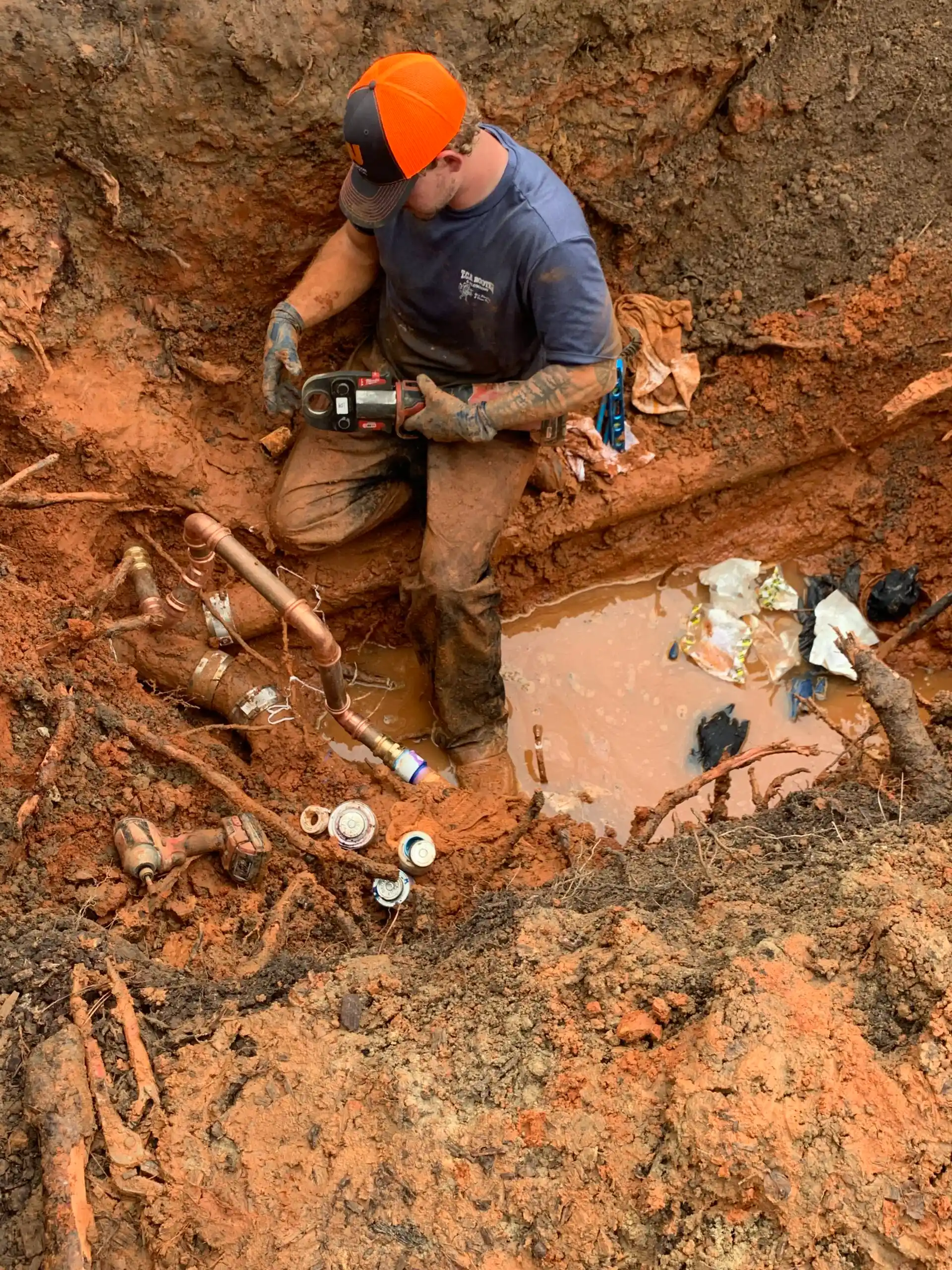
A sewer backup emergency ranks among the worst plumbing problems a home can face. Suddenly, dirty water rises from drains, toilets, or floor openings. Meanwhile, the smell and mess feel overwhelming.
However, fast action makes a big difference. Because of this, knowing the warning signs helps you protect your home. Furthermore, understanding the causes can save you stress and money.
At T.C.R. Rooter & Plumbing, we help homeowners across the Raleigh Triangle handle these messy situations. Therefore, this guide explains what to watch for and what to do next.
What Is a Sewer Backup?
A sewer backup happens when wastewater cannot flow away from your home. As a result, it reverses direction and comes back through your drains. Then it spills into sinks, tubs, or basements.
This problem differs from a simple clogged drain. For example, one slow sink usually means a local clog. On the other hand, a sewer backup affects many fixtures at once.
Why Backups Are Serious
Raw sewage carries bacteria and harmful contaminants. Therefore, it poses real health risks to your family. Additionally, standing water can damage flooring, walls, and belongings.
Because of this, you should treat a backup as an emergency. Moreover, quick cleanup limits long-term damage and mold growth.
Common Warning Signs of a Sewer Backup
Most backups give you clues before they get worse. Therefore, catching these signs early can prevent a full-blown mess. Watch for these common red flags.
- Multiple slow drains across the home at once
- Gurgling sounds from toilets or drains
- Water backing up when you flush or run the washer
- Bad sewage odors near drains or in the yard
- Soggy patches in your lawn over the sewer line
However, some signs feel subtle at first. For example, a single gurgling toilet may seem minor. Then it can grow into a major issue quickly.
When to Call for Help
Call a plumber when several fixtures act up together. Additionally, reach out if water rises from the lowest drains. Meanwhile, stop using water to avoid worsening the problem.
Homeowners in Raleigh, Apex, and Cary often face older lines. Therefore, regular inspections help catch trouble early.
What Causes Sewer Backups in the Raleigh Triangle?
Several factors lead to backups in our area. Furthermore, local conditions play a big role. Understanding the causes helps you prevent future problems.
Tree Root Intrusion
Tree roots seek moisture inside sewer pipes. As a result, they grow into small cracks and joints. Then they expand and block the flow.
Many neighborhoods in Durham and Wake Forest have mature trees. Therefore, root intrusion happens often in older systems. Hydro jetting can clear these stubborn blockages.
Aging or Damaged Pipes
Older homes may have clay or cast iron pipes. Over time, these materials crack or collapse. Because of this, debris collects and causes backups.
Some homes still contain polybutylene plumbing too. Therefore, an inspection can reveal hidden weak spots in your system.
Grease and Debris Buildup
Grease, wipes, and food scraps cause many clogs. For example, grease cools and hardens inside pipes. Then it traps other waste and blocks the line.
Additionally, so-called “flushable” wipes do not break down well. As a result, they often cause serious backups.
Heavy Rain and Flooding
The Triangle sees heavy storms throughout the year. During big rains, city sewer systems can overflow. Therefore, water may push back into homes.
The EPA’s guidance on sewer and septic systems explains how stormwater affects these systems. Furthermore, it offers helpful homeowner tips.
What to Do During a Sewer Backup Emergency
Stay calm and act quickly when a backup strikes. Meanwhile, follow these steps to protect your home and health. First, focus on safety above all.
- Stop using water immediately to prevent more overflow
- Avoid the contaminated area until cleanup begins
- Turn off electricity near affected zones if safe
- Open windows to ventilate the space
- Call a licensed plumber for emergency service
However, do not try major cleanup alone. Because of this, professional help keeps you safe. Additionally, plumbers find the true source of the problem.
Protect Your Health
Wear gloves and boots if you must enter the area. Then wash thoroughly afterward. Moreover, keep children and pets far from the mess.
Sewage exposure can cause illness. Therefore, treat all contaminated water as hazardous.
Document the Damage
Take photos before any cleanup starts. As a result, you have records for insurance claims. Furthermore, note which items the water touched.
How Plumbers Diagnose and Fix Backups
Professional plumbers use proven tools to find the cause. First, they inspect the system carefully. Then they choose the right repair method.
In-Line Camera Inspection
A camera shows exactly what blocks your line. Therefore, plumbers see roots, cracks, or buildup clearly. As a result, they avoid unnecessary digging.
This step saves time and guesswork. Moreover, it pinpoints the trouble spot precisely.
Hydro Jetting and Drain Cleaning
Hydro jetting blasts away clogs with high-pressure water. Additionally, it scours pipe walls clean. Then your line flows freely again.
For tougher cases, plumbers may repair or replace the pipe. However, the right fix depends on your specific situation. Therefore, a proper diagnosis comes first.
Our team at T.C.R. Rooter & Plumbing brings over 30 years of experience to these jobs. You can explore your options with the TCR Plumbing team when problems strike.
How to Prevent Sewer Backups
Prevention beats emergency repairs every time. Therefore, a few simple habits protect your home. Start with these practical steps.
- Never pour grease down your drains
- Avoid flushing wipes or paper towels
- Schedule routine inspections of your sewer line
- Install a backwater valve to block reverse flow
- Watch tree roots near your sewer path
Additionally, regular drain cleaning keeps lines clear. Because of this, you avoid sudden surprises. Moreover, early action costs far less than emergency repairs.
Smart Habits for Triangle Homeowners
Homes in Fuquay-Varina and Zebulon benefit from yearly checkups. For example, a camera inspection catches early root growth. Then you fix small issues before they grow.
Finally, keep records of past repairs. Therefore, your plumber understands your system’s history.
Frequently Asked Questions
Is a sewer backup an emergency?
Yes, a sewer backup is a true emergency. It poses health risks and damages property fast. Therefore, call a plumber right away.
Can I fix a sewer backup myself?
You can stop using water and ventilate the area. However, the actual repair needs a licensed plumber. Because of this, professional help is essential.
How long does a sewer backup repair take?
Repair time varies with the cause. For example, a simple clog clears quickly. Meanwhile, a collapsed pipe takes longer to replace.
Does insurance cover sewer backups?
Coverage depends on your policy. Many plans need a special backup rider. Therefore, check your coverage before an emergency happens.
How can I prevent future backups?
Schedule routine inspections and avoid flushing waste. Additionally, install a backwater valve. As a result, you lower your risk significantly.
Get Help With Your Sewer Backup Today
A sewer backup never waits for a convenient time. However, fast professional service limits the damage. Therefore, you should act quickly when warning signs appear.
T.C.R. Rooter & Plumbing serves Raleigh, Apex, Cary, Durham, and nearby communities. Moreover, we offer 24/7 emergency service backed by a 100% guarantee. Our background-checked technicians treat your home with care.
Contact the TCR Plumbing team to discuss your plumbing issue. Then schedule service with confidence. Finally, let our experienced, licensed plumbers restore your peace of mind.