
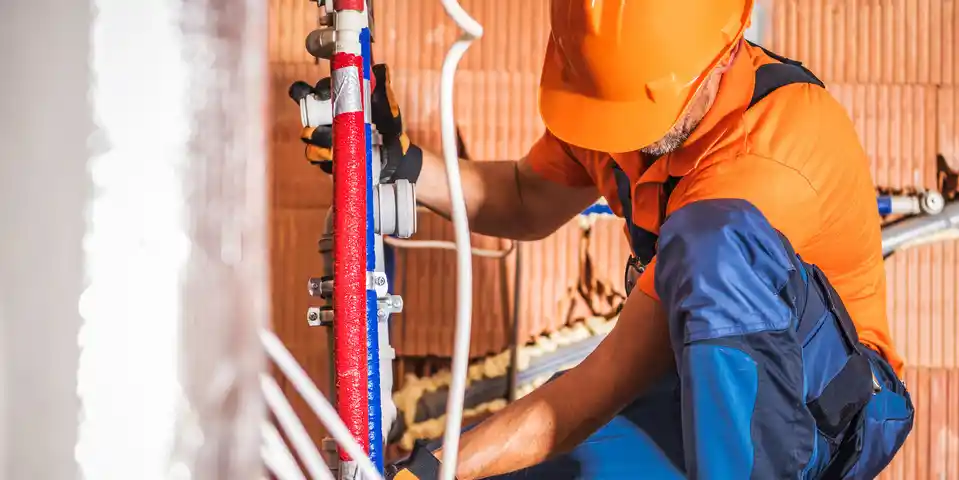
A burst pipe can flood a home in minutes. When that happens, you need to know how to use a shut off water valve fast. Quick action protects your floors, walls, and belongings.
At TCR Plumbing, we serve homeowners across the Raleigh Triangle. Therefore, we want every customer to feel ready before disaster strikes. This guide walks you through the steps clearly.
Plumbing emergencies rarely wait for a convenient time. However, a calm and prepared response makes a huge difference. Let’s start with the basics every homeowner should know.
Why Knowing Your Shut Off Valve Matters
Water damage spreads quickly inside a home. As a result, even a small leak can cause major repairs. Stopping the flow early limits the damage.
For example, a failed water heater can release gallons fast. Meanwhile, a cracked supply line behind a wall stays hidden until it floods. Knowing your valve locations saves time and stress.
Many older Raleigh and Durham homes have hidden or stiff valves. Therefore, you should check yours before an emergency happens. A little preparation now pays off later.
The Cost of Waiting
Standing water damages drywall, subfloors, and cabinets. In addition, it can lead to mold growth within days. Mold cleanup adds extra expense and health concerns.
Because of this, fast shut-off skills protect both your wallet and your family. Moreover, fast action gives our technicians a cleaner repair area. That speeds up the entire process.
Types of Shut Off Valves in Your Home
Most homes have several water shut-off points. First, there is the main valve for the whole house. Next, there are smaller fixture valves at sinks and toilets.
Understanding each type helps you respond correctly. For example, a toilet leak only needs the local valve. On the other hand, a burst main line needs the main shut-off.
The Main Shut Off Water Valve
This valve controls all water entering your home. Therefore, it stops every leak at once. You should locate it today, not during a flood.
Look for it near where the main line enters the house. Common spots include the basement, crawl space, or an outside wall. In warmer areas like Apex and Cary, it often sits outdoors.
Fixture and Appliance Valves
These small valves sit near sinks, toilets, and water heaters. As a result, you can stop one fixture without cutting water elsewhere. They are very handy for minor leaks.
- Toilet valve: usually on the wall behind the bowl.
- Sink valves: under the cabinet, one for hot and one for cold.
- Water heater valve: on the cold inlet pipe above the tank.
- Washing machine valves: behind the appliance.
The Curb Stop or Street Valve
Your water meter also has a shut-off, often called a curb stop. However, this valve may require a special key tool. Use it only if the main house valve fails.
How to Locate Your Main Shut Off Valve
Finding the valve first is the smartest move. First, walk your property and look for the water meter. Then, trace the line from the meter toward your home.
In many Wake Forest and Fuquay-Varina homes, the valve sits in a crawl space. Meanwhile, homes with basements often have it on a foundation wall. Newer builds may place it in a utility closet.
Tips for a Successful Search
Bring a flashlight and check low, hidden areas. Also, look near the front of the house, since lines enter there. Mark the spot once you find it.
Because valves can stiffen over time, test yours gently. Therefore, you avoid surprises during a real emergency. If it feels stuck, call a professional rather than forcing it.
How to Shut Off the Water Step by Step
Now let’s cover the actual shut-off process. These steps work for most homes in the Raleigh Triangle. Stay calm and move quickly.
Step 1: Identify the Leak Source
First, find where the water is coming from. For a single fixture, use its local valve. However, for a major leak, head straight to the main valve.
Step 2: Turn the Valve Correctly
There are two common valve styles in homes. A round wheel valve, called a gate valve, turns clockwise to close. Turn it fully until it stops.
A lever valve, called a ball valve, turns a quarter turn. Therefore, you simply rotate the handle until it sits across the pipe. That closes the flow.
Step 3: Open a Faucet to Relieve Pressure
Next, open a low faucet to drain remaining water. As a result, leftover pressure clears from the lines. This reduces dripping during repairs.
Step 4: Shut Off the Water Heater
If you cut the main water, protect your water heater too. For gas units, set the control to pilot. For electric units, switch off the breaker.
This prevents the heater from running dry and overheating. Moreover, it protects the unit from damage. Then you can wait safely for help.
Common Plumbing Emergencies in the Raleigh Triangle
Our region sees a mix of plumbing challenges. For example, older neighborhoods in Raleigh and Durham have aging pipes. Meanwhile, fast-growing areas like Apex see strain on newer systems.
Cold snaps can freeze and burst exposed pipes. Additionally, tree roots invade sewer lines across many established yards. Each issue may call for a quick shut-off.
Burst or Frozen Pipes
Winter freezes do reach the Triangle on occasion. Therefore, unprotected pipes in crawl spaces can crack. Shut off the main valve right away if one bursts.
Water Heater Failures
Tanks corrode and leak over time. As a result, a sudden tank failure can flood a closet or garage. Closing the heater’s inlet valve stops the flow fast.
Sewer and Drain Backups
Sewer backups need a different response. In this case, stop using all drains and call for help. Our team offers hydro jetting and camera inspection to clear blockages.
What to Do After You Shut Off the Water
Once the water stops, take a breath. Then document the damage with photos for your records. This helps with insurance later.
Next, clear standing water with towels or a wet vacuum. Also, move valuables away from the wet area. These steps limit further harm.
Finally, call a licensed plumber to assess the problem. Contact the TCR Plumbing team to discuss your plumbing issue and get expert help fast. We offer 24/7 emergency service across the region.
When to Call a Professional
Some problems need expert hands right away. For example, hidden leaks behind walls require leak detection tools. Furthermore, sewer line issues call for camera inspection.
Our background-checked technicians arrive ready to solve the problem. Because of this, you avoid guesswork and repeat repairs. We back all work with a 100% guarantee.
How to Prepare Before an Emergency Happens
Preparation beats panic every time. First, locate and label your main valve today. Next, show every household member how to close it.
Keep a valve key handy if your curb stop needs one. Also, test fixture valves once or twice a year. These habits build real peace of mind.
For winter, insulate exposed pipes in crawl spaces and garages. According to the EPA WaterSense program, fixing leaks early also saves water and money. Therefore, regular checks pay off.
Build a Simple Emergency Kit
A small kit speeds up your response. Include these basics:
- A flashlight with fresh batteries.
- A valve key for the curb stop.
- Towels and a bucket.
- Our phone number saved in your phone.
Ready to plan ahead? Schedule service with TCR Plumbing for an inspection of your valves and pipes. We serve Raleigh, Apex, Wake Forest, and beyond.
Frequently Asked Questions
Which way do I turn the shut off water valve?
Turn a round wheel valve clockwise to close it. For a lever valve, rotate the handle a quarter turn. Both should stop the water flow.
Where is my main water shut off located?
Look near where the main line enters your home. Common spots include crawl spaces, basements, or outdoor walls. In the Triangle, many sit near the front foundation.
What if my valve is stuck or broken?
Do not force a stuck valve, since it may break. Instead, use the curb stop at your meter. Then call us to repair or replace the valve.
Should I shut off the water heater too?
Yes, protect it during a major shut-off. Set gas units to pilot or switch electric units off at the breaker. This prevents overheating damage.
Do you offer emergency service in my area?
Yes, we provide 24/7 emergency service across the Raleigh Triangle. We cover Apex, Zebulon, Fuquay-Varina, Wake Forest, and Durham. Help is always a call away.
Get Reliable Plumbing Help in the Raleigh Triangle
Knowing how to use your shut off water valve is the first step. However, a trusted plumber finishes the job right. TCR Plumbing has served the region since 1993.
We are family-owned, licensed, bonded, and insured. Moreover, we hold an A+ BBB rating and treat every customer with respect. Our team handles repairs, leaks, water heaters, and more.
Do not wait for a small drip to become a flood. Explore your options and reach out to our experienced team today. We are ready to help around the clock.