Your plumbing system works hard every single day. However, most homeowners rarely think about it until something goes wrong. That is exactly why regular plumbing inspections matter so much for families and businesses across the Raleigh Triangle.
A small leak today can become a flooded floor tomorrow. Therefore, catching problems early saves you money, stress, and serious damage. Routine checks keep your pipes, drains, and water heater running smoothly all year long.
At TCR Plumbing, we have inspected systems in Raleigh, Apex, Cary, and beyond since 1993. As a result, we know what hidden issues to look for in older and newer homes alike.
What Is a Plumbing Inspection?
A plumbing inspection is a thorough review of your entire water system. Basically, a licensed plumber checks your pipes, fixtures, drains, and appliances for problems. Then they report what they find and recommend repairs.
These visits are not just for emergencies. In fact, the best inspections happen before trouble starts. Because of this, they often catch issues you would never notice on your own.
What Does a Plumber Check?
During a visit, your plumber reviews many parts of your home. For example, a typical inspection includes the following areas:
- Pipes and fittings for leaks, rust, or corrosion
- Drains and sewer lines for clogs or slow flow
- Water heater for sediment, leaks, and proper temperature
- Faucets and fixtures for drips and worn seals
- Toilets for running water and hidden leaks
- Water pressure to confirm it stays in a safe range
Additionally, modern tools make inspections more accurate than ever. In-line camera inspection, for instance, lets us see inside pipes without digging. As a result, we find blockages and breaks fast.
Why Regular Plumbing Inspections Matter
Many people skip inspections to save money. However, that choice often backfires. Hidden leaks and slow drains rarely fix themselves. Instead, they grow worse over time.
Routine plumbing inspections protect your home and your wallet. Moreover, they give you peace of mind year round. Let us look at the biggest benefits.
Catch Small Problems Early
Small issues are easy to fix when caught early. For example, a worn washer costs little to replace. On the other hand, ignoring it can lead to water damage and mold.
A simple inspection spots these warning signs fast. Therefore, you can repair them before they become expensive emergencies.
Save Money Over Time
Preventive care almost always costs less than repairs. Meanwhile, emergency calls and major water damage add up quickly. Because of this, regular checks are a smart long-term investment.
Inspections also help your appliances last longer. A well-maintained water heater, for instance, runs more efficiently. As a result, you may even lower your monthly bills.
Protect Your Water Quality
Old or corroded pipes can affect your water. Furthermore, leaks can let in dirt and contaminants. An inspection helps confirm your water stays clean and safe.
This matters most in older Raleigh and Durham homes. Many still have aging pipes that need close attention. Therefore, regular reviews keep your family protected.
Common Plumbing Issues in the Raleigh Triangle
Homes across the Triangle face unique plumbing challenges. First, our area has a mix of old and new construction. Next, North Carolina weather puts extra stress on pipes.
Here are issues we see often in local homes and businesses.
Aging and Polybutylene Pipes
Some older homes still have polybutylene plumbing. Unfortunately, this material can fail without warning. Therefore, an inspection should always check for it.
We see these pipes in many established neighborhoods. For example, homes built decades ago in Raleigh and Cary may still have them. Replacing them early prevents sudden leaks.
Sewer and Water Line Trouble
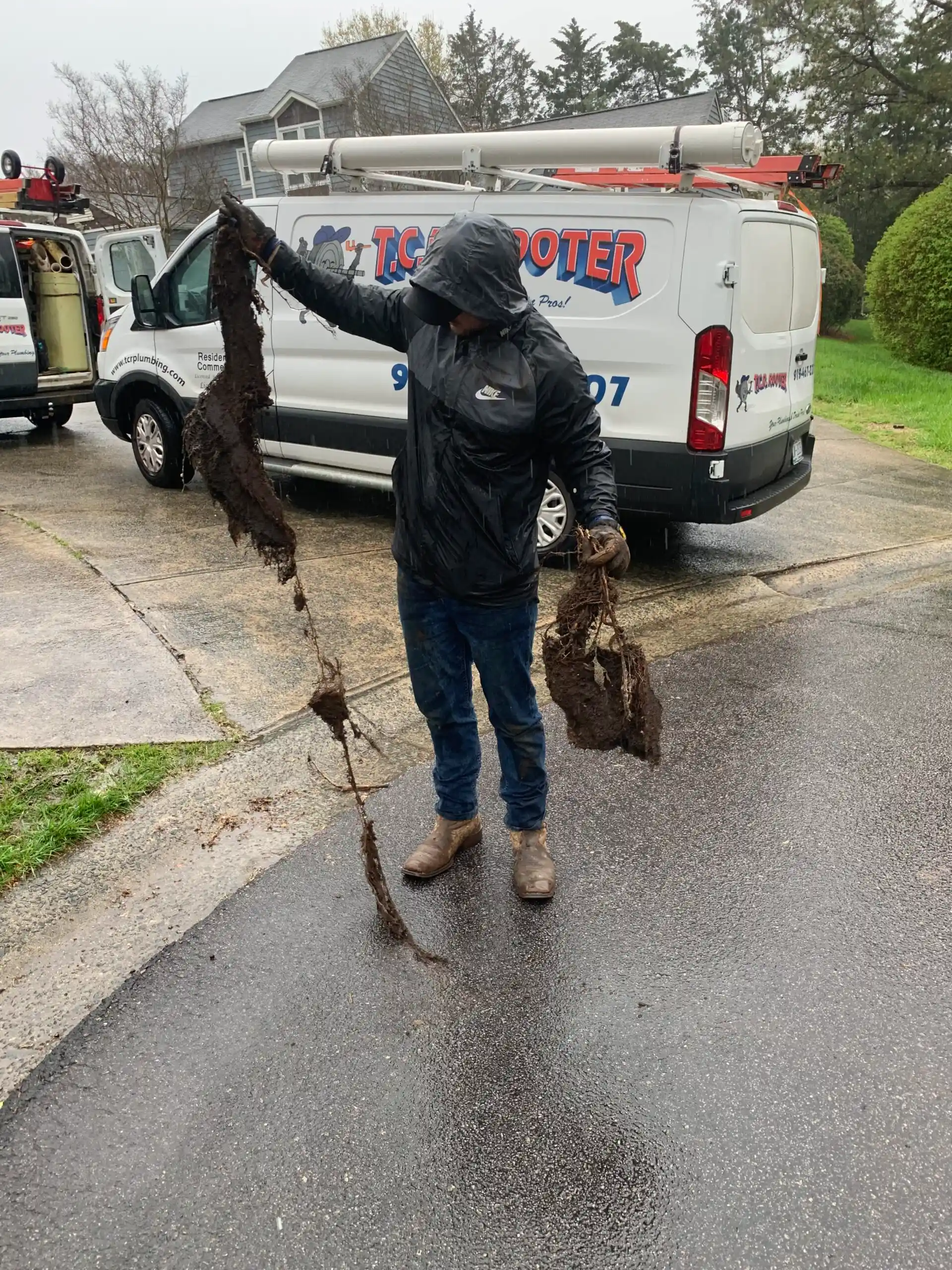
Tree roots love to invade sewer lines. Meanwhile, our clay soil shifts and stresses underground pipes. As a result, cracks and clogs are common in the Triangle.
An in-line camera inspection finds these issues quickly. Then we can plan the right repair before a backup happens. Hydro jetting often clears tough buildup, too.
Water Heater Wear
Hard water builds sediment inside many tanks. Over time, this lowers efficiency and shortens the unit’s life. Additionally, it can cause strange noises and slow heating.
An inspection lets us flush the tank and check key parts. Furthermore, we can advise you on tankless upgrades when it makes sense.
How Often Should You Schedule an Inspection?
Most homeowners benefit from a yearly inspection. However, some situations call for more frequent visits. Older homes and businesses often need extra attention.
Consider scheduling a check in these cases:
- Before buying or selling a home
- After a major storm or freeze
- When you notice slow drains or low pressure
- If your home is more than 25 years old
- When you see higher water bills with no clear reason
For businesses, regular checks are even more important. After all, a plumbing failure can shut you down. Therefore, commercial properties in Apex and Wake Forest should inspect often.
Seasonal Care in North Carolina
Winter freezes can crack exposed pipes. Meanwhile, heavy spring rains stress sewer and drain systems. Because of this, seasonal inspections help you stay ahead.
The U.S. Environmental Protection Agency offers helpful guidance on home water use and leaks through its WaterSense leak prevention resources. In addition, our team can tailor a plan to your specific property.
Signs You Need a Plumbing Inspection Now
Sometimes your home gives clear warning signs. Pay close attention to these red flags. The sooner you act, the better.
- Slow or gurgling drains
- Water stains on walls or ceilings
- A musty or sewage smell
- Unusually high water bills
- Low or fluctuating water pressure
- Rusty or discolored water
If you notice any of these, do not wait. Instead, contact the TCR Plumbing team to discuss your plumbing issue. We can pinpoint the cause and recommend a clear fix.
What to Expect From a TCR Plumbing Inspection
Our process is simple and stress free. First, a background-checked technician arrives on time. Next, they review your system carefully from top to bottom.
Then we explain what we find in plain language. We never use confusing jargon to push extra work. Instead, we treat you with fairness and respect.
Honest Recommendations
After the inspection, you get clear options. For example, we may suggest a small repair or a future upgrade. However, the choice always stays yours.
We back all work with a 100% guarantee. Moreover, we are licensed, bonded, and insured with an A+ BBB rating. As a result, you can trust the advice you receive.
Frequently Asked Questions About Plumbing Inspections
How long does a plumbing inspection take?
Most home inspections take one to two hours. However, larger properties may take longer. The time depends on your home’s size and age.
Are plumbing inspections worth it?
Yes, they almost always pay off. Early detection prevents costly damage and emergencies. Therefore, the small upfront cost is a smart investment.
Do I need an inspection before buying a home?
Absolutely. A pre-purchase inspection reveals hidden plumbing problems. As a result, you can negotiate repairs or avoid a bad deal.
Can an inspection find hidden leaks?
Yes. We use leak detection tools and in-line cameras. Because of this, we find leaks behind walls and underground.
How often should businesses inspect their plumbing?
Most businesses should inspect at least once a year. However, high-use properties may need more frequent visits. We can build a schedule that fits your needs.
Schedule Your Plumbing Inspection Today
Regular plumbing inspections protect your home, health, and budget. Furthermore, they help you avoid stressful emergencies down the road. The best time to act is before trouble starts.
TCR Plumbing has served the Raleigh Triangle since 1993. We help homeowners and businesses in Raleigh, Apex, Wake Forest, Fuquay-Varina, and Durham. Therefore, you can count on local expertise you trust.
Ready to protect your property? Schedule service with our friendly team today. We offer 24/7 emergency support and stand behind every job we complete.